• About

Sacred Cow Chips

Sacred Cow Chips

Tag Archives: CMS

Biden’s Rx Price Controls: Cheap Politics Over Cures

08 Tuesday Nov 2022

Posted by Nuetzel in Prescription Drugs, Price Controls, Uncategorized

≈ 1 Comment

Tags

Big Pharma, Charles Hooper, CMS, David Henderson, Drug Innovation, Drug R&D, FDA Approval Process, Inflation Reduction Act, Innovation, Insulin Costs, Joe Biden, Joe Grogan, Medicare, Medicare Part B, Medicare Part D, Opioids, Over-prescription, Patent Extensions, Prescription Drug Costs, Price Controls, Price Gouging, Pricing Transparency, Shortages, third-party payments
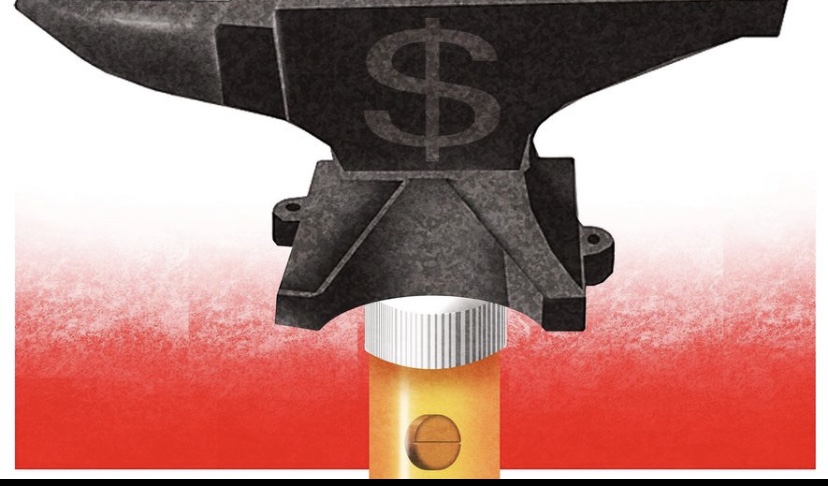
You can expect dysfunction when government intervenes in markets, and health care markets are no exception. The result is typically over-regulation, increased industry concentration, lower-quality care, longer waits, and higher costs to patients and taxpayers. The pharmaceutical industry is one of several tempting punching bags for ambitious politicians eager to “do something” in the health care arena. These firms, however, have produced many wonderful advances over the years, incurring huge research, development, and regulatory costs in the process. Reasonable attempts to recoup those costs often means conspicuously high prices, which puts a target on their backs for the likes of those willing to characterize return of capital and profit as ill-gotten.

Biden Flunks Econ … Again

Lately, under political pressure brought on by escalating inflation, Joe Biden has been talking up efforts to control the prices of prescription drugs for Medicare beneficiaries. Anyone with a modicum of knowledge about markets should understand that price controls are a fool’s errand. Price controls don’t make good policy unless the goal is to create shortages.

The preposterously-named Inflation Reduction Act is an example of this sad political dynamic. Reducing inflation is something the Act won’t do! Here is Wikipedia’s summary of the prescription drug provisions, which is probably adequate for now:

“Prescription drug price reform to lower prices, including Medicare negotiation of drug prices for certain drugs (starting at 10 by 2026, more than 20 by 2029) and rebates from drug makers who price gouge… .”

“The law contains provisions that cap insulin costs at $35/month and will cap out-of-pocket drug costs at $2,000 for people on Medicare, among other provisions.”

Unpacking the Blather

“Price gouging”, of course, is a well-worn term of art among anti-market propagandists. In this case it’s meaning appears to be any form of non-compliance, including those for which fees and rebates are anticipated.

The insulin provision is responsive to a long-standing and misleading allegation that insulin is unavailable at reasonable prices. In fact, insulin is already available at zero cost as durable medical equipment under Medicare Part B for diabetics who use insulin pumps. Some types and brands of insulin are available at zero cost for uninsured individuals. A simple internet search on insulin under Medicare yields several sources of cheap insulin. GoodRx also offers brands at certain pharmacies at reasonable costs.

As for the cap on out-of-pocket spending under Part D, limiting the patient’s payment responsibility is a bad way to bring price discipline to the market. Excessive third-party shares of medical payments have long been implicated in escalating health care costs. That reality has eluded advocates of government health care, or perhaps they simply prefer escalating costs in the form of health care tax burdens.

Negotiated Theft

The Act’s adoption of the term “negotiation” is a huge abuse of that word’s meaning. David R. Henderson and Charles Hooper offer the following clarification about what will really happen when the government sits down with the pharmaceutical companies to discuss prices:

“Where CMS is concerned, ‘negotiations’ is a ‘Godfather’-esque euphemism. If a drug company doesn’t accept the CMS price, it will be taxed up to 95% on its Medicare sales revenue for that drug. This penalty is so severe, Eli Lilly CEO David Ricks reports that his company treats the prospect of negotiations as a potential loss of patent protection for some products.”

The first list of drugs for which prices will be “negotiated” by CMS won’t take effect until 2026. However, in the meantime, drug companies will be prohibited from increasing the price of any drug sold to Medicare beneficiaries by more than the rate of inflation. Price control is the correct name for these policies.

Death and Cost Control

Henderson and Hooper chose a title for their article that is difficult for the White House and legislators to comprehend: “Expensive Prescription Drugs Are a Bargain“. The authors first note that 9 out of 10 prescription drugs sold in the U.S. are generics. But then it’s easy to condemn high price tags for a few newer drugs that are invaluable to those whose lives they extend, and those numbers aren’t trivial.

Despite the protestations of certain advocates of price controls and the CBO’s guesswork on the matter, the price controls will stifle the development of new drugs and ultimately cause unnecessary suffering and lost life-years for patients. This reality is made all too clear by Joe Grogan in the Wall Street Journal in “The Inflation Reduction Act Is Already Killing Potential Cures” (probably gated). Grogan cites the cancellation of drugs under development or testing by three different companies: one for an eye disease, another for certain blood cancers, and one for gastric cancer. These cancellations won’t be the last.

Big Pharma Critiques

The pharmaceutical industry certainly has other grounds for criticism. Some of it has to do with government extensions of patent protection, which prolong guaranteed monopolies beyond points that may exceed what’s necessary to compensate for the high risk inherent in original investments in R&D. It can also be argued, however, that the FDA approval process increases drug development costs unreasonably, and it sometimes prevents or delays good drugs from coming to market. See here for some findings on the FDA’s excessive conservatism, limiting choice in dire cases for which patients are more than willing to risk complications. Pricing transparency has been another area of criticism. The refusal to release detailed data on the testing of Covid vaccines represents a serious breach of transparency, given what many consider to have been inadequate testing. Big pharma has also been condemned for the opioid crisis, but restrictions on opioid prescriptions were never a logical response to opioid abuse. (Also see here, including some good news from the Supreme Court on a more narrow definition of “over-prescribing”.)

Bad policy is often borne of short-term political objectives and a neglect of foreseeable long-term consequences. It’s also frequently driven by a failure to understand the fundamental role of profit incentives in driving innovation and productivity. This is a manifestation of the short-term focus afflicting many politicians and members of the public, which is magnified by the desire to demonize a sector of the economy that has brought undeniable benefits to the public over many years. The price controls in Biden’s Inflation Reduction Act are a sure way to short-circuit those benefits. Those interventions effectively destroy other incentives for innovation created by legislation over several decades, as Joe Grogan describes in his piece. If you dislike pharma pricing, look to reform of patenting and the FDA approval process. Those are far better approaches.

Conclusion

Note: The image above was created by “Alexa” for this Washington Times piece from 2019.

Fiscal Foolishness a Costly Salve For Midterm Jitters

05 Friday Aug 2022

Posted by Nuetzel in Fiscal policy, Inflation

≈ 2 Comments

Tags

Alternative Minimum Corporate Tax, Brad Polumbo, Carried Interest, Chuck Schumer, CMS, Drug Price Controls, Eric Boehm, Fossil fuels, Green Energy, Inflation Reduction Act, IRS, Joe Biden, Joe Manchin, Kyrsten Sinema, Lois Lerner, Medicare Part D, Obamacare Subsidies, Private equity, Stock Buybacks, Sweat Equity, Tax Burden, Tax Enforcement, Tax Incidence, Wharton Economics, William C. Randolf

The “Inflation Reduction Act” (IRA) is about as fatuous a name for pork-barrel spending and taxes as its proponents could have dreamt up! But that’s the preposterous appellation given to the reconciliation bill congressional Democrats hope to approve. Are we to believe that Congress suddenly recognizes the inflationary effects of governments deficits? Well, the trouble is the projected revenue enhancements (taxes) and cost savings are heavily backloaded. It’s mostly spending up front, which is exactly how we got to this point. There are a number of provisions intended to increase domestic energy production in the hope of easing cost-push, supply-side price pressures. However, provisions relating to fossil fuel production are dependent on green energy projects in the same locales. So, even if we get more oil, we’ll still be pissing away resources on wind and solar technologies that will never be reliable sources of power. Even worse, the tax provisions in the bill will have burdens falling heavily on wage earners, despite the Administration’s pretensions of taxing only rich corporations and their shareholders.

The Numbers

The IRA (itself an irritating acronym) would add $433 billion of new federal outlays through 2031 (*investments*, because seemingly every federal outlay is an “investment” these days). At least that’s the deal that Chuck Schumer and Joe Manchin agreed to. As the table below shows, these outlays are mostly for climate initiatives, but the figure includes almost $70 billion of extended Obamacare subsidies. There is almost $740 billion of revenue enhancements, which are weighted toward the latter half of the ten-year budget window.

The deal reduces the federal budget deficit by about $300 billion over ten years, but that takes a while… somewhat larger deficits are projected through 2026. I should note that the Congressional Budget Office has issued a new score this week that puts the savings at a much lower $102 billion. However, that “new” score does not reflect the changes demanded by Kyrsten Sinema (R-AZ).

Spending

Budget projections are usually dependent on assumptions about the duration of various measures, among many other things like economic growth. For example, the increased Obamacare subsidies are an extension, and the scoring assumes they end in 2026. It’s hard to believe they won’t be extended again when the time comes. Over ten years, that would cut the deficit reduction roughly in half.

The bill is laden with green energy subsidies intended to reduce CO2 emissions. They will accomplish little in that respect, but what the subsidies will do is enrich well-healed cronies while reducing the stability of the electric grid. Tax credits for electric vehicles will be utilized primarily by wealthier individuals, though there are tax credits for energy-efficient appliances and the like, which might benefit a broader slice of the population. And while there are a few provisions that might address supplies of fossil fuels and investment in nuclear energy, these are but a sop to Joe Manchin and misdirection against critics of Joe Biden’s disastrous energy policies.

Revenue

Should we be impressed that the Democrats have proposed a bill that raises revenue more than spending? For their part, the Democrats insist that the bill will impose no new taxes on those with taxable incomes less than $400,000. That’s unlikely, as explained below. As a matter of macroeconomic stability, with the economy teetering on the edge of recession, it’s probably not a great time to raise taxes on anyone. However, Keynesians could say the same thing about my preferred approach to deficit reduction: cutting spending! So I won’t press that point too much. However, the tax provisions in the IRA are damaging not so much because they depress demand, but because they distort economic incentives. Let’s consider the three major tax components:

1. IRS enforcement: this would provide about $80 billion in extra IRS funding over 10 years. It is expected to result in a substantial number of additional IRS tax audits (placed as high as 1.2 million). Democrats assert that it will raise an additional $400 billion, but the CBO says it’s likely to be much lower($124 billion). This will certainly ensnare a large number of taxpayers earning less than $400,000 and impose substantial compliance costs on individuals and businesses. A simplified tax code would obviate much of this wasteful activity, but our elected representatives can’t seem to find their way to that obvious solution. In any case, pardon my suspicions that this increase in funding to enforce a Byzantine tax code might be used to weaponize the IRS against parties harboring disfavored political positions. Shades of Lois Lerner!

2. Carried Interest: Oops! Apparently the Democrat leadership just bought off Kyrsten Sinema by eliminating this provision and replacing it with another awful tax…. See #3 below. The next paragraph briefly discusses what the tax change for carried interest would have entailed:

The original bill sought to end the favorable tax treatment of “carried interest”, which is earned by private equity managers but is akin to the “sweat equity” earned by anyone making a contribution to the value of an investment without actually contributing a proportionate amount of capital. I’ve written about this before here. Carried interest income is taxed at the long-term capital gains tax rate, which is usually lower than tax rates on ordinary income. This treatment is really the same as for any partnership that allocates gains to partners, but populist rhetoric has it that it is used exclusively by nasty private equity managers. Changing this treatment for private equity firms would represent gross discrimination against firms that make a valuable contribution to the market for the ownership control of business enterprises, which helps to discipline the management of resources in the private sector.

3. Tax on Corporate Stock Buy-Backs: it’s not uncommon for firms to use cash they’ve generated from operations to repurchase shares of stock issued in past. Unaccountably, Democrats regard this as a “wasteful” activity designed to unfairly enrich shareholders. However, it is a perfectly legitimate way for firms to return capital to owners. The tax would create an incentive for managers to choose less efficient alternatives for the use of excess funds. In any case, the unrestricted freedom of owners to empower managers to repurchase shares is a fundamental property right.

A tax on corporate stock buybacks can result in the triple taxation of corporate profits. Profits are taxed at the firm level, and if the firm uses after-tax profits to repurchases shares, then the profits are taxed again, and further, any gain to shareholders would be subject to capital gains tax. This is one more violation of the old principle that income should be taxed once and only once.

The proposed excise tax on buy-backs now added to the IRA is *expected* to raise more revenue than the carried interest revision would have, but adjustments to behavior have a way of stymying expectations. Research has demonstrated that firms who buy back their shares often outperform their peers. But again, there are always politicians who wish to create more frictions in capital markets because firms and investors are easy political marks, and because these politocos do not understand the key role of capital markets in allocating resources efficiently between uses and across time.

4. Corporate taxes: Imposing a minimum tax rate of 15% on corporate book income above $1 billion is a highly controversial part of the IRA. While supporters contend that the burden would fall only on wealthy shareholders, in fact the burden would be heavily distributed across lower income ranges. First, a great many working people are corporate shareholders through their individual or employer-sponsored savings plans. Second, corporate employees shoulder a large percentage of the burden of corporate taxes via reduced wages and benefits. Here’s Brad Polumbo on the incidence of the corporate tax burden:

“William C. Randolph of the Congressional Budget Office found that for every dollar raised by the corporate tax, approximately 70 cents comes out of workers’ wages. Further confirming this finding, research from the Kansas City Federal Reserve concluded that a 10% increase in corporate taxes reduces wages by 7%.”

This again demonstrates the dishonesty of claims that no one with an income below $400,000 will be taxed under the IRA. In addition, almost 50% of the revenue from this minimum tax will come from the manufacturing sector:

As Eric Boehm states at the last link, “So much for improving American manufacturers’ competitiveness!” Incidentally, it’s estimated that the bill would cause differential increases in the effective corporate tax on investments in equipment, structures, and inventories. This is not exactly a prescription for deepening the stock of capital or for insulating the American economy from supply shocks!

5. Medicare Drug Prices: A final source of deficit reduction is the de facto imposition of price controls on certain prescription drugs under Medicare Part D. A small amount of savings to the government are claimed to begin in 2023. However, the rules under which this will be administered probably won’t be established for some time, so the savings may well be exaggerated. It’s unclear when the so-called “negotiations” with drug companies will begin, but they will take place under the threat of massive fines for failing to agree to CMS’s terms. And as with any price control, it’s likely to impinge on supply — the availability of drugs to seniors, and it is questionable whether seniors will reap any savings on drugs that will remain available.

Do Words Have No Meaning?

The IRA’s vaunted anti-inflationary effects are a pipe dream. A Wharton Study found that the reduction in inflation would be minuscule:

“We estimate that the Inflation Reduction Act will produce a very small increase in inflation for the first few years, up to 0.05 percent points in 2024. We estimate a 0.25 percentage point fall in the PCE price index by the late 2020s. These point estimates, however, are not statistically different than zero, thereby indicating a very low level of confidence that the legislation will have any impact on inflation.”

Over 230 economists have weighed in on the poor prospects that the IRA will achieve what its name suggests. And let’s face it: not even the general public has any confidence that the IRA will actually reduce inflation:

Conclusion

The Inflation Reduction Act is a destructive piece of legislation and rather galling in its many pretenses. I’m all for deficit reduction, but the key to doing so is to cut the growth in spending! Reducing the government’s coerced absorption of resources relative to the size of the economy prevents “crowding out” of private, voluntary, market-tested activity. It also prevents the need for greater tax distortions that undermine economic performance.

The federal government has played host to huge pandemic relief bills over the past two years. Then we have Joe Biden’s move to forgive student debt, a benefit flowing largely to higher income individuals having accumulated debt while in graduate programs. And then, Congress passed a bill to subsidize chip manufacturers who were already investing heavily in domestic production facilities. All the while, the Biden Administration was doing everything in its power to destroy the fossil fuel industry. So now, Democrats hope to follow-up on all that with a bill stuffed with rewards for cronies in the form of renewable energy subsidies, financed largely on the backs of the same individuals who they’ve sworn they won’t tax! The dishonesty is breathtaking! This crowd is so eager to do anything before the midterm elections that they’ll shoot for the nation’s feet!

COVID Politics and Collateral Damage

26 Sunday Jul 2020

Posted by Nuetzel in Pandemic, Public Health

≈ 2 Comments

Tags

American Journal of Epidemiology, Andrew Cuomo, Anthony Fauci, Banality of Evil, CDC, City Journal, CMS, Donald Trump, Elective Surgery, Epidemiological Models, FDA, Gavin Newsom, Gretchen Whitmer, Harvey Risch, Hydroxychloraquin, Import Controls, Joel Zinberg, Lockdowns, Newsweek, NIH, Phil Murphy, Politico, PPE, Price Gouging, Prophylaxis, Quarantines, Steve Sisolak, The Lancet, Tom Wolf, Yale School of Public Health

Policymakers, public health experts, and the media responded to the coronavirus in ways that have often undermined public health and magnified the deadly consequences of the pandemic. Below I offer several examples of perverse politics and policy prescriptions, and a few really bad decisions by certain elected officials. Some of the collateral damage was intentional and motivated by an intent to inflict political damage on Donald Trump, and people of good faith should find that grotesque no matter their views on Trump’s presidency.

Politicized Treatment

The smug dismissal of hydroxychloraquine as Trumpian foolishness was a crime against humanity. We now know HCQ works as an early treatment and as a prophylactic against infection. It’s has been partly credited with stanching “hot spots” in India as well as contributing strongly to control of the contagion in Switzerland and in a number of other countries. According to epidemiologist Harvey Risch of the Yale School of Public Health, HCQ could save 75,000 to 100,000 lives if the drug is widely used. This is from Dr. Risch’s OpEd in Newsweek:

“On May 27, I published an article in the American Journal of Epidemiology (AJE) entitled, ‘Early Outpatient Treatment of Symptomatic, High-Risk COVID-19 Patients that Should be Ramped-Up Immediately as Key to the Pandemic Crisis.’ That article, published in the world’s leading epidemiology journal, analyzed five studies, demonstrating clear-cut and significant benefits to treated patients, plus other very large studies that showed the medication safety. …

Since [then], seven more studies have demonstrated similar benefit. In a lengthy follow-up letter, also published by AJE, I discuss these seven studies and renew my call for the immediate early use of hydroxychloroquine in high-risk patients.”

Risch is careful to couch his statements in forward-looking terms, but this also implies that tens of thousands of lives could have been saved, or patients might have recovered more readily and without lasting harm, had use of the drug not been restricted. The FDA revoked its Emergency Use Authorization for HCQ on June 15th, alleging that it is not safe and has little if any benefit. An important rationale cited in the FDA’s memo was an NIH study of late-stage C19 patients that found no benefit and potential risks to HCQ, but this is of questionable relevance because the benefit appears to be in early-stage treatment or prophylaxis. Poor research design also goes for this study and this study, while this study shared in some shortcomings (e.g., and no use of and/or controls for zinc) and a lack of statistical power. Left-wing outlets like Politico seemed almost gleeful, and blissfully ignorant, in calling those studies “nails in the coffin” for HCQ. Now, I ask: putting the outcomes of the research aside, was it really appropriate to root against a potential treatment for a serious disease, especially back in March and April when there were few treatment options, but even now?

Then we have the state governors who restricted the use of HCQ for treating C19, such as Gretchen Whitmer (MI) and Steve Sisolak (NV). Andrew Cuomo (NY) decided that HCQ could be dispensed only for hospital use, exactly the wrong approach for early stage treatment. And all of this resistance was a reaction to Donald Trump’s optimism about the promise of HCQ. Yes, there was alarm that lupus patients would be left without adequate supplies, but the medication is a very cheap, easy to produce drug, so that was never a real danger. Too much of the media and politicians have been complicit in denying a viable treatment to many thousands of C19 victims. If you were one of the snarky idiots putting it down on social media, you are either complicit or simply a poster child for banal evil.

Seeding the Nursing Homes

The governors of several states issued executive orders to force nursing homes to accept C19 patients, which was against CMS guidance issued in mid-March. The governors were Andrew Cuomo (NY), Gretchen Whitmer (MI), Gavin Newsom (CA), Tom Wolf (PA), and Phil Murphy (PA). This was a case of stupidity more than anything else. These institutions are home to the segment of the population most vulnerable to the virus, and they have accounted for about 40% of all C19 deaths. Nursing homes were ill-prepared to handle these patients, and the governors foolishly and callously ordered them to house patients who required a greater level of care and who represented an extreme hazard to other residents and staff.

Party & Protest On

Then of course we had the mayor of New York City, Bill De Blasio, who urged New Yorkers to get out on the town in early March. That was matched in its stupidity by the array of politicians and health experts who decided, having spent months proselytizing the need to “stay home”, that it was in their best interests to endorse participation in street protests that were often too crowded to maintain effective social distance. That’s not a condemnation of those who sought to protest peacefully against police brutality, but it was not a good or consistent recommendation in the domain of public health. Thankfully, the protests were outside!

Testing, Our Way Or the Highway

The FDA and CDC were guilty of regulatory overreach in preventing early testing for C19, and were responsible for many lives lost early in the pandemic. By the time the approved CDC tests revealed that the virus was ramping up drastically in March, the country was already behind in getting a handle on the spread of the virus, quarantining the infected, and tracing their contacts. There is no question that this cost lives.

Masks… Maybe, But Our Way Or the Highway

U.S. public health authorities were guilty of confused messaging on the efficacy of masks early in the pandemic. As Joel Zinberg notes in City Journal, Anthony Fauci admitted that his own minimization of the effectiveness of masks was motivated by a desire to prevent a shortage of PPE for health care workers:

“In discouraging mask use, Fauci—for decades, the nation’s foremost expert on viral infectious diseases—was not acting as a neutral interpreter of settled science but as a policymaker, concerned with maximizing the utility of the limited supply of a critical item. An economist could have told him that there was no need to misinform the public. Letting market mechanisms work and relaxing counterproductive regulations would ease shortages. Masks for health-care workers would be available if we were willing to pay higher prices; those higher prices, in turn, would elicit more mask production.”

Indeed, regulators made acquisition of adequate supplies of PPE more difficult than necessary via compliance requirements, “price gouging” rules, and import controls.

Bans on Elective Surgery

Another series of unnecessary deaths was caused by various bans on elective surgeries across the U.S. (also see here), and we’re now in danger of repeating that mistake. These bans were thought to be helpful in preserving hospital capacity, but hospitals were significantly underutilized for much of the pandemic. Add to that the fright inspired by official reaction to C19, which keeps emergency rooms empty, and you have a universe of diverse public health problems to grapple with. As I said on this blog a couple of months ago:

“… months of undiagnosed cardiac and stroke symptoms; no cancer screenings, putting patients months behind on the survival curve; deferred procedures of all kinds; run-of-the-mill infections gone untreated; palsy and other neurological symptoms anxiously discounted by victims at home; a hold on treatments for all sorts of other progressive diseases; and patients ordinarily requiring hospitalization sent home. And to start back up, new health problems must compete with all that deferred care. Do you dare tally the death and other worsened outcomes? Both are no doubt significant.”

Lockdowns

The lockdowns were unnecessary and ineffectual in their ability to control the spread of the virus. A study of 50 countries published by The Lancet last week found the following:

“Increasing COVID-19 caseloads were associated with countries with higher obesity … median population age … and longer time to border closures from the first reported case…. Increased mortality per million was significantly associated with higher obesity prevalence … and per capita gross domestic product (GDP) …. Reduced income dispersion reduced mortality … and the number of critical cases …. Rapid border closures, full lockdowns, and wide-spread testing were not associated with COVID-19 mortality per million people.”

That should have been obvious for a virus that holds little danger for prime working-age cohorts who are most impacted by economic lockdowns.

Like the moratoria on elective surgeries, lockdowns did more harm than good. Livelihoods disappeared, business were ruined, savings were destroyed, dreams were shattered, isolation set in, and it continues today. These kinds of problems are strongly associated with health troubles, family dysfunction, drug and alcohol abuse, and even suicide. It’s ironic that those charged with advising on matters pertaining to public health should focus exclusively on a single risk, recommending solutions that carry great risk themselves without a second thought. After all, the protocol in reviewing new treatments sets the first hurdle as patient safety, but apparently that didn’t apply in the case of shutdowns.

Even as efforts were made to reopen, faulty epidemiological models were used to predict calamitous outcomes. While case counts have risen in many states in the U.S. in June and July, deaths remain far below model predictions and far below deaths recorded during the spring in the northeast.

One last note: I almost titled this post “Attack of the Killer Morons”, but as a concession to what is surely a vain hope, I decided not to alienate certain readers right from the start.


Gains From Medicare Trade

08 Thursday Dec 2016

Posted by Nuetzel in Medicare, Privatization, Profit Motive

≈ 2 Comments

Tags

ACA, American Enterprise Institute, CMS, Donald Trump, Health Savings Accounts, HHS, IPAB, John C. Goodman, MACRA, Medicare, Medicare Advantage, Medicare Part C, Medigap, Obamacare, Original Medicare, Premium Support Plan, Privatization, Tom Price

Boomers and Medicare

Here’s a bit of zero-sum ignorance: private profits are robbed from consumers; only non-profits or government can deliver full value, or so this logic goes. Those who subscribe to this notion dismiss the function of private incentives in creating value, yet those incentives are responsible for nearly all of the material blessings of modern life. What the government seems to do best, on the other hand, is writing checks. It’s not really clear it does that very well, of course, but it does have the coercive power of taxation required to do so. Capital employed by government is not a “free” input. It bears opportunity costs and incentive costs that are seldom considered by critics of the private sector.

The role of private profit and the zero-sum fallacy come up in the context of proposals to privatize government services. In what follows, I discuss a case in point: privatization of Medicare. Rep. Tom Price, the Chairman of the House Budget Committee, is Donald Trump’s nominee to head HHS. In November, Price said Congress would attempt to pass legislation overhauling Medicare in the first year of the Trump Administration. James Capretta of the American Enterprise Institute (AEI) explains some of the features of the possible reforms. Price has supported the concept of a premium support plan whereby seniors would purchase their own coverage from private insurers, paid at least in part by the government (also see here).

Medicare and Its Ills

The Medicare program is beset with problems: it has huge unfunded liabilities; it’s cash flows are being undermined by demographic trends; fraud and bureaucratic waste run rampant; it’s unpopular with doctors; and the regulations imposed on healthcare providers are often misguided.

Writing checks to health care providers is really the primary “good” created by the federal government in the administration of Medicare. The Centers for Medicare & Medicaid Services (CMS), a branch of the Department of Health and Human Services (HHS), also performs regulatory functions mandated by legislation, such as the Affordable Care Act (ACA).

More recently, CMS has been implementing the Medicare Access and Chip Reauthorization Act of 2015 (MACRA), which will introduce changes to the payment formulas for physician compensation under the plan. Economist John C. Goodman offers a cogent explanation of the ill-conceived economic planning at the heart of Medicare regulation and its implementation of MACRA in particular:

“…the government’s current payment formulas create perverse economic incentives — to maximize income against the formulas instead of putting patient welfare first. The goal is to change those incentives, so that providers will get paid more if they lower costs and raise quality.

But after the new formulas replace the old ones, provider incentives in a very real sense will be unchanged. They will still have an economic incentive to maximize income by exploiting the formulas, even if that is at the expense of their patients.“

After describing several ways in which Medicare regulation, now and prospectively, leads to perverse results, Goodman advances the powerful argument that the market can regulate health care delivery to seniors more effectively than CMS.

“If the government’s metrics are sound, why not allow health plans to advertise their metrics to potential enrollees and compete on these quality measures. Right now, they cannot. Every communication from health plans to Medicare enrollees must be approved by CMS. … Under MACRA, health plans profit by satisfying the government, not their customers. … Better yet, why not let the market (rather than government) decide on the quality metrics?“

Private Medicare Exists

Wait a minute: profit? But isn’t Medicare a government program, free from the presumed evils of profit-seekers? Well, here’s the thing: almost all of the tasks of managing the provision of Medicare coverage are handled by the private sector under contract with CMS, subject to CMS regulation, of course. That is true even for Part A and Part B benefits, or “original Medicare”, as it’s sometimes called.

Under “original” Medicare, private insurers process “fee-for-service” claims and payments, provide call center services, manage clinician enrollment, and perform fraud investigations. Yes, these companies can earn a profit on these services. Unfortunately, CMS regulation probably serves to insulate them from real competition, subverting efficiency goals. Goodman’s suggestion would refocus incentives on providing value to the consumers these insurers must ultimately serve.

Then there are “Medigap” or Medicare Supplement policies that cover out-of-pocket costs not covered under Parts A and B. These policies are designed by CMS, but they are sold and managed by private insurers.

And I haven’t even mentioned Medicare Parts C and D, which are much more significantly privatized than original Medicare or Medigap. The Part C program, also known as Medicare Advantage, allows retirees to choose from a variety of privately-offered plans as an alternative to traditional Medicare. At a minimum, these plans must cover benefits that are the equivalent to Parts A and B, as judged by CMS, though apparently “equivalency” still allows some of those benefits to be declined in exchange for a rebate on the premium. More optional benefits are available for an additional premium under these plans, including a reduced out-of-pocket maximum, a lower deductible, and reduced copays. Part C has grown dramatically since its introduction in 1996 and now covers 32% of Medicare enrollees. Apparently these choices are quite popular with seniors. So why, then, is privatization such a bogeyman with the left, and with seniors who are cowed by the anti-choice narrative?

What’s To Privatize?

Not privatized are the following Medicare functions: the collection of payroll-tax contributions of current workers; accounting and reporting functions pertaining to the Trust Fund; decisions surrounding eligibility criteria; the benefit designs and pricing of Part A (hospitalization) and Part B (optional out-patient medical coverage, including drugs administered by a physician); approval of provider plan designs and pricing under Parts C; regulation and oversight of all other aspects of Medicare, including processes managed by private administrative contractors and providers of optional coverage; and regulation of health care providers. 

The Independent Payment Advisory Board (IPAB) was created under the Affordable Care Act (ACA), aka Obamacare, to achieve Medicare costs savings under certain conditions, beginning in 2015. Its mandate is rather confusing, however, as IPAB is ostensibly restricted by the ACA from meddling with health care coverage and quality. Proposals from IPAB are expected to cover such areas as government negotiation of drug prices under Part D, a Part B formulary, restrictions on the “protected status” of certain drugs, and increasing incentives for diagnostic coding for Part C plans. Note that these steps are confined to optional or already-private parts of Medicare. They are extensions of the administrative and regulatory functions described above. Despite the restrictions on IPAB’s activities under the ACA, these steps would have an impact on coverage and quality, and they mostly involve functions for which market solutions are better-suited than one-size-fits-all regulatory actions.

The opportunities for privatization are in 1) creating more choice and flexibility in Parts A and B, or simply migrating them to Parts C and D, along with premium support; 2) eliminating regulatory burdens, including the elimination of IPAB.

Impacts On Seniors Now and Later

Privatization is unlikely to have any mandatory impact on current or near-future Medicare beneficiaries. That it might is a scare story circulating on social media (i.e., fake news), but I’m not aware of any privatization proposal that would make mandatory changes affecting anyone older than their mid-50s. Voluntary benefit choices, such as Part C and D plans, would be given more emphasis.

There should be an intensive review of the regulatory costs imposed on providers and, in turn, patients. Many providers simply refuse to accept patients with Medicare coverage, and regulation encourages health care delivery to become increasingly concentrated into large organizations, reducing choices and often increasing costs. Lightening the regulatory burden is likely to bring immediate benefits to seniors by improving access to care and allowing providers to be more patient-focused, rather than compliance-focused.

Again, the most heavily privatized parts of Medicare are obviously quite popular with seniors. The benefits are also provided at lower cost, although the government pays the providers of those plans extra subsidies, which may increase their cost to taxpayers. Enrollees should be granted more flexibility through the private market, including choices to limit coverage, even down to catastrophic health events. Consumers should be given at least limited control over the funds used to pay their premia. That would include choice over whether to choose lower premia and put the excess premium support into consumer-controlled Health Saving Account (HSA) contributions.

Other Reforms

Pricing is a controversial area, but that’s where the terms of mutually beneficial trades are made, and it’s what markets do best. Pricing flexibility for private plans would be beneficial from the standpoint of matching consumer needs with the appropriate level of coverage, especially with fewer regulatory restrictions. Such flexibility need not address risk rating in order to have beneficial effects.

Regulations imposed on physicians and other providers should be limited to those demanded by private plans and the networks to which they belong, as well as clear-cut legislative rules and standards of practice imposed by professional licensing boards. The better part of future contributions to the Trust Fund by younger workers (i.e., those not grandfathered into the existing program) should be redirected toward the purchase today of future benefits in retirement, based on actuarial principles.

Perhaps the best cost-control reform would be repeal of the tax deductibility of insurance premia on employer-paid insurance plans. This provision of the tax code has already inflated health care costs for all consumers, including seniors, via demand-side pressure, and it has inflated their insurance premia as well. If extended to all consumers, tax deductibility would be less discriminatory toward consumers in the individual market and most seniors, but it would inflate costs all the more, with unevenly distributed effects. Unfortunately, rather than eliminating it entirely, qualification for the tax deduction is very likely to be broadened.

Conclusions

The Medicare program is truly in need of an overhaul, but reform proposals, and especially proposals that would put decision-making power into the hands of consumers, are always greeted with reflexive shrieks from sanctimonious worshippers of the state. The most prominent reform under consideration now would offer more of what’s working best in the Medicare program: private choices in coverage and costs. Solving the long-term funding issues will be much easier without a centralized regime that encourages escalating costs.

Earning a profit is usually the mark of a job well done. It is compensation for the use of capital and the assumption of risk (i.e., no bailouts). Physicians, nurses, chiropractors, insurance agents and customer service reps all earn compensation for their contributions. Providers of capital should too, including the owners of health insurance companies who do well by their customers. And if you think the absence of profit in the public sector creates value, remember the damage inflicted by taxes. Capital isn’t “free” to society just because it can be confiscated by the government.

Follow Sacred Cow Chips on WordPress.com

Recent Posts

  • The Case Against Interest On Reserves
  • Immigration and Merit As Fiscal Propositions
  • Tariff “Dividend” From An Indigent State
  • Almost Looks Like the Fed Has a 3% Inflation Target
  • Government Malpractice Breeds Health Care Havoc

Archives

  • January 2026
  • December 2025
  • November 2025
  • October 2025
  • September 2025
  • August 2025
  • July 2025
  • June 2025
  • May 2025
  • April 2025
  • March 2025
  • February 2025
  • January 2025
  • December 2024
  • November 2024
  • October 2024
  • September 2024
  • August 2024
  • July 2024
  • June 2024
  • May 2024
  • April 2024
  • March 2024
  • February 2024
  • January 2024
  • December 2023
  • November 2023
  • August 2023
  • July 2023
  • June 2023
  • May 2023
  • April 2023
  • March 2023
  • February 2023
  • January 2023
  • December 2022
  • November 2022
  • October 2022
  • September 2022
  • August 2022
  • July 2022
  • June 2022
  • May 2022
  • April 2022
  • March 2022
  • February 2022
  • January 2022
  • December 2021
  • November 2021
  • October 2021
  • September 2021
  • August 2021
  • July 2021
  • June 2021
  • May 2021
  • April 2021
  • March 2021
  • February 2021
  • January 2021
  • December 2020
  • November 2020
  • October 2020
  • September 2020
  • August 2020
  • July 2020
  • June 2020
  • May 2020
  • April 2020
  • March 2020
  • February 2020
  • January 2020
  • December 2019
  • November 2019
  • October 2019
  • September 2019
  • August 2019
  • July 2019
  • June 2019
  • May 2019
  • April 2019
  • March 2019
  • February 2019
  • January 2019
  • December 2018
  • November 2018
  • October 2018
  • September 2018
  • August 2018
  • July 2018
  • June 2018
  • May 2018
  • April 2018
  • March 2018
  • February 2018
  • January 2018
  • December 2017
  • November 2017
  • October 2017
  • September 2017
  • August 2017
  • July 2017
  • June 2017
  • May 2017
  • April 2017
  • March 2017
  • February 2017
  • January 2017
  • December 2016
  • November 2016
  • October 2016
  • September 2016
  • August 2016
  • July 2016
  • June 2016
  • May 2016
  • April 2016
  • March 2016
  • February 2016
  • January 2016
  • December 2015
  • November 2015
  • October 2015
  • September 2015
  • August 2015
  • July 2015
  • June 2015
  • May 2015
  • April 2015
  • March 2015
  • February 2015
  • January 2015
  • December 2014
  • November 2014
  • October 2014
  • September 2014
  • August 2014
  • July 2014
  • June 2014
  • May 2014
  • April 2014
  • March 2014

Blogs I Follow

  • Passive Income Kickstart
  • OnlyFinance.net
  • TLC Cholesterol
  • Nintil
  • kendunning.net
  • DCWhispers.com
  • Hoong-Wai in the UK
  • Marginal REVOLUTION
  • Stlouis
  • Watts Up With That?
  • Aussie Nationalist Blog
  • American Elephants
  • The View from Alexandria
  • The Gymnasium
  • A Force for Good
  • Notes On Liberty
  • troymo
  • SUNDAY BLOG Stephanie Sievers
  • Miss Lou Acquiring Lore
  • Your Well Wisher Program
  • Objectivism In Depth
  • RobotEnomics
  • Orderstatistic
  • Paradigm Library
  • Scattered Showers and Quicksand

Blog at WordPress.com.

Passive Income Kickstart

OnlyFinance.net

TLC Cholesterol

Nintil

To estimate, compare, distinguish, discuss, and trace to its principal sources everything

kendunning.net

The Future is Ours to Create

DCWhispers.com

Hoong-Wai in the UK

A Commonwealth immigrant's perspective on the UK's public arena.

Marginal REVOLUTION

Small Steps Toward A Much Better World

Stlouis

Watts Up With That?

The world's most viewed site on global warming and climate change

Aussie Nationalist Blog

Commentary from a Paleoconservative and Nationalist perspective

American Elephants

Defending Life, Liberty and the Pursuit of Happiness

The View from Alexandria

In advanced civilizations the period loosely called Alexandrian is usually associated with flexible morals, perfunctory religion, populist standards and cosmopolitan tastes, feminism, exotic cults, and the rapid turnover of high and low fads---in short, a falling away (which is all that decadence means) from the strictness of traditional rules, embodied in character and inforced from within. -- Jacques Barzun

The Gymnasium

A place for reason, politics, economics, and faith steeped in the classical liberal tradition

A Force for Good

How economics, morality, and markets combine

Notes On Liberty

Spontaneous thoughts on a humble creed

troymo

SUNDAY BLOG Stephanie Sievers

Escaping the everyday life with photographs from my travels

Miss Lou Acquiring Lore

Gallery of Life...

Your Well Wisher Program

Attempt to solve commonly known problems…

Objectivism In Depth

Exploring Ayn Rand's revolutionary philosophy.

RobotEnomics

(A)n (I)ntelligent Future

Orderstatistic

Economics, chess and anything else on my mind.

Paradigm Library

OODA Looping

Scattered Showers and Quicksand

Musings on science, investing, finance, economics, politics, and probably fly fishing.

  • Subscribe Subscribed
    • Sacred Cow Chips
    • Join 128 other subscribers
    • Already have a WordPress.com account? Log in now.
    • Sacred Cow Chips
    • Subscribe Subscribed
    • Sign up
    • Log in
    • Report this content
    • View site in Reader
    • Manage subscriptions
    • Collapse this bar
 

Loading Comments...