• About

Sacred Cow Chips

Sacred Cow Chips

Category Archives: Liberty

Open Borders and Club Goods

13 Saturday Jan 2018

Posted by Nuetzel in Immigration, Liberty

≈ 1 Comment

Tags

Alex Tabarrok, Bryan Caplan, Citizenship, Club Goods, Common Resources, Congestion Costs, Contestable Goods, Don Boudreaux, Exclusivity, Immigration, James Buchanan, Patrick McNutt, Private Goods, Public goods, Rivalrousness, Safety Net, Sheldon Richman, Social Contract, ThoughtCo., Tyler Cowen

The question of open borders divides libertarians as much as any. The arguments for open borders made by the likes of Bryan Caplan, Alex Tabarrok, Don Boudreaux and Sheldon Richman are in many ways quite appealing. Fewer borders means greater opportunities for gainful trade among individuals. For the U.S., the economic gains from in-migration have been unquestionable. From a pure libertarian perspective, governments should never interfere with the non-violent actions of free individuals, including freedom of movement. These great economists contend, in effect, that there is no real moral distinction between government actions that confine individuals within borders and those that keep people out, though our conciences are less burdened by the latter because the world abroad seems so large.

There is a gnawing contradiction in this viewpoint, however. It relates to the appropriate scope of “ownership”. At the link above, Caplan says:

“The only principled libertarian objection to this is that the citizens of each country are its rightful owners, so they’re entitled to regulate migration as they see fit. … But if you believe this, there is no principled libertarian objection to any act of government. Fortunately, the belief that citizens are countries’ rightful owners is crazy. The social contract is an utter myth. Contracts require unanimous consent, and no country has ever had unanimous consent.“

The Character of a Good

I contest Caplan’s assertion that any one act of government is like all others. Yes, there is always a danger of a majoritarian tyranny in any democracy. But there is also the question of sovereignty, for which borders of some kind are necessary. If policies governing those borders are established legislatively, they should be subject to checks and balances: executive consent as well as judicial review of disputes.

I also contest Caplan’s statement that ownership implies unanimous consent. In fact, there are many forms of property over which decisions do not imply unanimous consent of joint owners. One such form is the subject of what follows, and I believe that form of “ownership” is applicable to one’s citizenship or residency status.

To keep things simple, I’ll frame this discussion only in terms of citizenship. I therefore abstract from issues like green cards, visiting worker programs, and the presence of resident aliens in general. For a nation, the essence of barriers to immigration can be addressed by considering the simpler case of citizens versus non-resident non-citizens. For purposes of this discussion, if you are allowed to arrive on a nation’s shores, you will be a citizen.

If a country’s citizenship can be considered a good worth acquiring, what is its real character? It is privately possessed and not tradable, but not all goods are tradable. An important taxonomy of goods in the public finance literature is based on two dimensions: exclusivity and rivalrousness. The former is the degree to which other parties can be excluded from enjoyment or use of the good or resource.

Most goods have at least some degree of exclusivity: you can be denied admission to a concert, the use of an appliance or furniture, and even parks and port facilities. Pure public goods like national defense and the air we breath are completely non-exclusive, however. Broadcast television is non-exclusive as well, as long as you have the equipment to watch it.

Rivalrousness is the degree to which the use or enjoyment of a good precludes another’s use or enjoyment. My friend can’t eat the steak if I eat the steak. That’s rivalrous. But my friend and I can both enjoy the concert. That’s non-rivalrous. A private good is both exclusionary and rivalrous. A public good is neither.

Citizenship as a Good

Citizenship can be viewed as a bundle of attributes much as any good, but it is an extremely complex bundle: it includes the individual rights enshrined in a nation’s constitution (if any), the personal and economic opportunities available by virtue of access to in-country markets and resources, the culture(s), and any personal risk reduction provided collectively, i.e., a safety net via public support. How, then, would one classify citizenship, or its component attributes, in terms of exclusivity and rivalrousness?

First, the entire citizenship bundle has a high degree of exclusivity. A nation can decide on closed borders, or partially open borders, if it chooses to do so, just as a theme park limits its gate. That is the political decision at hand. The degree of exclusivity of individual components of the bundle matters little if the bundle itself is highly exclusive.

At a high level, citizenship itself is non-rivalrous. My citizenship does not preclude citizenship for anyone else. Therefore, at the level of the bundle, citizenship is exclusive but non-rivalrous, so it has the character of what economists call a “club good“. Citizens are already part of the club; to that extent they are joint “owners”. Like many clubs, decisions about new membership need not be unanimous.

Classification of citizenship attributes as goods is trickier. The exclusivity of citizenship makes the non-rivalrous public goods available to citizens into club goods. Once admitted, for example, you are free to engage in speech, practice a religion of your choice, own a weapon, and receive due process and habeas corpus without interfering with any other citizen’s ability to exercise the same rights. You get national defense and a judicial system. You have equality of opportunity to the extent that your pursuit of economic gain does not interfere directly with anyone else’s opportunities. On the other hand, the freedom of assembly is rivalrous to at least some extent, as we learned last year from events in Charlottesville, VA. In fact, there may be congestion limits to some of the other freedoms mentioned above. 

Access to a nation’s markets permits mutually beneficial trade to take place. An individual’s participation usually does not rule out participation by others, so it is essentially non-rivalrous. (In some markets the entry of new sellers may be limited and exclusionary.) Of course, a nation’s resources are scarce; exploiting them for gain or enjoyment necessarily prevents others from using the same resources. From the point of view of existing citizens, these resources are non-exclusive and rivalrous, and are therefore classified as “common resources”, subject to congestion effects, but they are still exclusive to those citizens. The key here is not whether there are gains from trade, but that there is some rivalrousness embedded in this citizenship attribute.

In addition to the basic rights mentioned earlier, the entire legal structure, regulatory apparatus, and the political process are complex attributes of citizenship. These bear on the limits of legal conduct: Can you buy or sell liquor on Sundays? Do businesses require licensure? Is abortion legal? And on and on. In a democracy, the ability to participate in the political process is non-rivalrous: it does not prevent others from participating. However, the range of possible outcomes of the process can also be viewed as an attribute, and these outcomes, as they are promulgated, are certainly rivalrous. If the “other” side gets extra votes, then the power of my vote is diminished. So the limits of legal conduct are exposed to political rivalry. In the case of open borders, a large number of citizens may not favor existing rules, regulations, and the allocation of public spending.

So the attributes of citizenship are mixed in terms of rivalrousness: Some are rivalrous but many are not. The citizenship bundle, at a more detailed level, is therefore a mix of club goods (exclusive but non-rvalrous) and some goods that are rivalrous. This is important, because under the classical description club goods are public goods provided privately; they are therefore under-provided from the perspective of social welfare and the Pareto criterion that a new citizens can be made better off without making any existing citizen worse off. That might not be the case in the presence of congestion effects.

Should a Club Good Be Unrestricted?

Citizenship has value at the margin to both existing citizens, who should be regarded as established club members, and non-citizens. The foregoing establishes that there are some private (exclusive and rivalrous) attributes attached to citizenship. Sometimes this is due to the impact of congestion on the provision of public goods. Patrick McNutt, in his survey of literature on “Public Goods and Club Goods“, summarizes some basic conditions under which public goods are provided by clubs:

“The public good is not a pure public good, but rather there is an element of congestion as individuals consume the good up to its capacity constraint. What arises then is some exclusion mechanism in order to charge consumers a price for the provision and use of the good. Brown and Jackson (1990, p. 80) had commented that the purpose of a club ‘is to exploit economies of scale, to share the costs of providing an indivisible commodity, to satisfy a taste for association with other individuals who have similar preference orderings’. For Buchanan and Ng the main club characteristic is membership or numbers of consumers and it is this variable that has to be optimised.“

Citizenship (or residency) is generally not price rationed, though there are certainly costs to the immigrant. I make no pretense here as to the determination of an optimal membership from a club or larger social perspective. My point is that rationing membership is a rational choice by club members, or citizens in this case.

Okay, I Like My Club

Tribal affiliations, and ultimately nation states, were a natural outgrowth of early competition for resources, especially when identifying threats from outsiders was a constant preoccupation. Territorialism was a byproduct, and with the establishment of agriculture, the peoples of these early societies probably identified strongly with their homelands.

Modern nation-states have evolved from those early patterns, and nations continue to differ in terms of language, culture, and governance. Successful nations are undoubtedly more liberal (in the classical sense) and open to trade and cross-border movement. Maybe one day all nations will be united under the principles of libertarianism… don’t count on it! For now, to one degree or another, a nation’s inhabitants have an interest in minimizing economic and political risks and retaining access to resources within their borders. I don’t believe that desire is irrational or immoral. If the inhabitants of a nation have a moral obligation to share their rights, wealth, and political process with all comers, then they must accept the possibility that their rights will be compromised, and possibly even complete upheaval. They suffer a loss of sovereignty and a loss in the expected value of their citizenship.

There is obviously no limiting principle to the open borders policy, as Tyler Cowen says. Existing citizens would be obligated to accommodate all those who land upon their shores, granting them the full rights and opportunities accorded to all other residents. Perhaps there would be economic gains in the short or long run, as most libertarians would predict. But perhaps there would be some losses along the way. Perhaps there would be political stability after a large influx of new residents, but perhaps not. And ultimately, perhaps changes in the political climate would feed back to the detriment of economic performance. One simply cannot say, a priori, how things would go. There are risks to the existing citizenry, and if they are obliged to accept those risks, those might well include having to feed, clothe and house new residents. There should be no absolute obligation to accept those risks. If the debate is about individual liberty, then surely imposing those risks via open borders would  abrogate the rights of existing citizens.

Addendum: A Note on the Goods Taxonomy

Given the two dimensions of goods discussed above, exclusivity and rivalrousness, goods are classified as follows:

  • Private goods: exclusive and rivalrous;
  • Public goods: non-exclusive and non-rivalrous;
  • Club goods: exclusive but non-rivalrous: e.g., a concert;
  • Common resources: non-exclusive but rivalrous: the air we breath; an aquifer;

Another category is sometimes defined: contestable goods, which have the character of public goods or even club goods when under light use, and are common resources when under heavy use. There is a difference between an empty park and a crowded park; or an empty road and a crowded road.

See ThoughtCo. for a good exposition on the taxonomy.

Equality of Economic Freedom and the End of Poverty

30 Friday Dec 2016

Posted by Nuetzel in Capitalism, Liberty, Redistribution

≈ Leave a comment

Tags

central planning, Dependence, Dierdre McCloskey, Economic Freedom, economic growth, Ex Ante Equality, Ex Post Equality, Exchange-Tested Betterment, Poverty, Redistribution, Robert Sowell, Safety Net, Self-Sufficiency

poverty-econ-freedom

Should any form of equality be a central goal of society? Most certainly, but answers to this question often presume that government can set ground rules, ex ante, to ensure some form of ex post equality. Equality is a thing that can exist ex ante, as when rules are applied equally, and ex post, as when there are no differences in outcomes. The latter, however, always requires coercion and force of one form or another.

The great economist Deirdre McCloskey writes in the New York Times that forced equality will not save the poor; only growth can do it. Those who put their faith in the state to eliminate poverty lack an understanding of the underlying conditions and causes of the drastic improvements in the standard of living for even the world’s most impoverished inhabitants. It is all about economic freedom and capitalism. McCloskey explains:

“Eliminating poverty is obviously good. And, happily, it is already happening on a global scale. The World Bank reports that the basics of a dignified life are more available to the poorest among us than at any time in history, by a big margin. … Even in the rich countries, the poor are better off than they were in 1970, with better food and health care and, often, amenities like air-conditioning. …

… Free adults get what they need by working to make goods and services for other people, and then exchanging them voluntarily. They don’t get them by slicing up manna from Mother Nature in a zero-sum world. …

… We had better focus directly on the equality that we actually want and can achieve, which is equality of social dignity and equality before the law.“

Achievable equality has to do with ground rules, in the first instance. The rules must establish freedoms to which all participants are entitled. Many of these freedoms are enshrined in the U.S. Constitution, for example. With regard to strictly economic rules, we have: the right to private property, including the fruits of one’s own labor; the freedom to engage in exchange on terms of our choosing, and enter into contracts in pursuit of self-interest; and the freedom to take risks with real consequences.

Around the world, ex ante freedoms like these have been instrumental in lifting masses from the grips of poverty, not temporarily and artificially, but by encouraging self-sufficiency. That is the very ex post outcome that’s been so elusive for socialized economies and state-sponsored anti-poverty transfer schemes. By encouraging economic growth and an enhanced standard of living for those at the lowest end of the socioeconomic spectrum, ex ante freedoms achieve a crucial type of ex post equality: a life above penury.

McCloskey contrasts these kinds of equality with the utter failure of redistributive schemes to accomplish anything comparable:

“An all-wise central plan could force the right people into the right jobs. But such a solution, like much of the case for a compelled equality, is violent and magical. The magic has been tried, in Stalin’s Russia and Mao’s China. So has the violence.”

Not to mention the social and economic failures in Cuba, Venezuela, East Germany, Cambodia, Bulgaria, Ethiopia, Mozambique, Somalia, Romania, North Vietnam, North Korea, and too many others. And the sluggish growth to which many “social democracies” consign themselves by ceding dominance to the state. McCloskey continues:

As a matter of arithmetic, expropriating the rich to give to the poor does not uplift the poor very much. If we took every dime from the top 20 percent of the income distribution and gave it to the bottom 80 percent, the bottom folk would be only 25 percent better off. If we took only from the superrich, the bottom would get less than that. And redistribution works only once. You can’t expect the expropriated rich to show up for a second cutting. In a free society, they can move to Ireland or the Cayman Islands. And the wretched millionaires can hardly re-earn their millions next year if the state has taken most of the money.“

The following quote about poverty in the U.S. seems appropriate in this context. It is from Robert Sowell’s final column (having just announced his retirement from regular syndication):

“Most people living in officially defined poverty in the 21st century have things like cable television, microwave ovens and air-conditioning. Most Americans did not have such things, as late as the 1980s. People whom the intelligentsia continue to call the ‘have-nots’ today have things that the ‘haves’ did not have, just a generation ago.“

A sound argument can be made for the public provision of a safety net to cushion the blow of job losses in a market economy, or from the effects of catastrophic events on individuals or families. However, permanent status as a state-dependent must be discouraged for those capable of readjustment and self-reliance. Some such losses can and should be self-insured, not least by a willingness to pursue new opportunities, even those offering lower immediate rewards or requiring new training. Voluntary saving is another obvious form of self-insurance, of course. Nevertheless, few would deny the need for some form of social insurance to enable more comfortable transitions for those in need following certain kinds of losses.

McCloskey’s most powerful message involves the matter of value. Individuals trade with one another voluntarily only when it is of mutual benefit, which is dependent on the ex ante freedoms discussed above. There are mistakes in which parties are left unsatisfied by certain exchanges, but no one is compelled to repeat those mistakes. And they have every reason to innovate and seek alternatives. Participants may be happy to adjust the terms on which they are willing to trade, and they have every reason to imitate and repeat successes. These are the ways in which economic growth occurs:

“It is growth from exchange-tested betterment, not compelled or voluntary charity, that solves the problem of poverty.“

Capitalism and the market system have, by far, the best record of eliminating poverty in the sense of self-reliance. The only success against poverty that can be claimed by redistributionists is the substitution of lasting dependence on the state. Capitalism and the market hold the only real promise for eliminating poverty entirely.

Post-Election Thoughts: The “Idiocracy”

11 Friday Nov 2016

Posted by Nuetzel in Free Speech, Liberty, Tyranny

≈ Leave a comment

Tags

Barack Obama, Carly Fiorina, Donald Trump, Hillary Clinton, Homophobia, Identity Politics, Misogyny, Peter Thiel, Political Correctness, racism, Robby Soave, Walter Williams

racism

I keep reading about “idiots” in my news feed, directed by angry supporters of Hillary Clinton at anyone who voted for Donald Trump. These crestfallen partisans do not appreciate an irony: their very arrogance and desire to proscribe the freedom of others to speak and act freely actually helped to coalesce Trump’s support. So smug are they in their beliefs and attitudes that they are able to render high-handed judgements as to whether certain beliefs are socially acceptable. That there are many dimensions to social problems is lost on this crowd: it’s all or nothing. You are an idiot, a racist, a misogynist, or a homophobe if you support free speech (because it might offend), private property (you are greedy), free markets (capitalist pig), law enforcement (racist), gun rights (violent), or if you hold attitudes that are “traditional” or religious. In fact, you are probably suspect if you are white, asian, or in any way successful: you are too privileged to understand the negative consequences of your privilege.

Here’s my disclaimer: I don’t particularly like Donald Trump and some of his antics. I strongly disagree with a few of his most prominent policy proposals. Nevertheless, I voted for him because Hillary Clinton is so obviously a devotee of centralized power and she is irredeemably crooked. I was repelled by the identity politics she celebrated, and I found a certain aspect of Donald Trump’s disregard for political correctness to be refreshing.

The fact is that many voters are sick and tired of the name-calling by the left, and of the proscriptive behavior it enables. I’m one of them. Robby Soave at Reason just wrote an excellent article on this point:

“The leftist drive to enforce a progressive social vision was relentless, and it happened too fast. I don’t say this because I’m opposed to that vision—like most members of the under-30 crowd, I have no problem with gender neutral pronouns—I say this because it inspired a backlash that gave us Trump….

There is a cost to depriving people of the freedom (in both the legal and social senses) to speak their mind. The presidency just went to the guy whose main qualification, according to his supporters, is that he isn’t afraid to speak his.“

In the wake of an election that didn’t go their way, the identity politickers are proving themselves to be petulant and vulgar creeps. They decry the Trump election as racist by placing entire demographics and regions into an “idiot” trick bag. They cry racism on counties in which the majority voted for Barack Obama in 2012, but flipped to Donald Trump in 2016.

But no one is shamed. I’d have loved it if Carly Fiorina had been nominated. I’d vote for Walter Williams if he ran for president. I have great respect for Peter Thiel but I don’t know whether I’d vote for him. I might. In the end, it’s usually about policies, and if your policy portfolio has an excessive basis in identity politics and political correctness, and if you are strident about it, don’t be surprised if you stir some resentment. The idiots just might be the ones shooting themselves in the foot.

Note: Yes, I’ve used that cartoon before. I like it!

Coerced Fairness: Wronging Every Right

14 Thursday Apr 2016

Posted by Nuetzel in Discrimination, Liberty, Tyranny

≈ 1 Comment

Tags

Andrew Bernstein, Constitutional rights, Dan Sanchez, discrimination, Economics of Discrimination, Freedom of Association, Freedom of Expression, Jeffrey Tucker, Jim Crow Laws, Ludwig von Mises, Property Rights, Public Accomodations, Right to Privacy, Unintended Consequences


image

A nurse says, “If I can bring myself to treat a patient tattooed with a swastika, then a baker can bake a cake for a gay wedding.” Of course, the statement ignores any differences in the values held by these individuals, their right to hold different values, or at least their right to act peacefully on those values. It makes an arbitrary presumption about what is “fair” and what is “unfair”, which is seldom well-defined when two parties hold sincere but conflicting beliefs. Yes, the baker can bake the cake, but should he be forced to do so under state compulsion? Coerced behavior is the product of aggression, but declining business for personal reasons is not an act of aggression, though the “safe-space” crowd would do its best to convince us otherwise. Sorry, hurt feelings don’t count!

Imposing the machinery of the state on private decisions about how and for whom one’s art must be practiced invites even more coercive action by the state going forward. Jeffrey Tucker addresses this in “Must a Jewish Baker Make a Nazi Cake?“, using the teachings of Ludwig von Mises on the implications of voluntary and coerced behavior.

Discrimination occurs in markets in many forms. Consumers discriminate between sellers and products based on quality, price, convenience and trust. In turn,  producers or sellers discriminate between workers based on skill, effort, wages and trust. They discriminate between local markets or areas of specialization based on profitability. They discriminate between buyers based upon ability and willingness to pay. All of these forms of discrimination are rational because they result in better value for the discriminating consumer or better profitability for the discriminating producer. In other words, these forms of discrimination align with economic self-interest.

Other forms of discrimination do not align strictly with economic self-interest, but they may be preferred by the individual based on other criteria. It’s probably not possible to justify these forms of discrimination from all perspectives. Some may be abhorrent to most observers, including me. Certainly more consensus exists on some than on others. Nevertheless, these non-economically motivated forms of discrimination are always costly to the discriminator. For example, a consumer who refuses to frequent certain establishments owned by members of an out-group will forego opportunities for more varied experiences. Also, she will tend to pay higher prices due to her lack of interest in the competitive effort made by the out-group. An employer who refuses to hire certain minorities faces a more limited labor pool. He is likely to face a higher wage bill and will get a less efficient mix of skills in his workers. A seller who discriminates against certain groups by turning them away foregoes revenue, and the action may have negative reputational consequences. Obviously, other competitors can profit from another seller’s discriminatory behavior. Almost by definition, markets impose penalties on discrimination not borne out of economic self-interest.

Anyone with doubts about the effectiveness of markets and capitalism to overcome this latter type of discrimination should look no further than the broadly integrated activity that occurs within markets every day, and at the extent to which markets have become more diverse over time. Here is a choice quote of Tucker:

“Commerce has a tendency to break down barriers, not create them. In fact, this is why Jim Crow laws came into existence, to interrupt the integrationist tendencies of the marketplace. Here is the hidden history of a range of government interventions, from zoning to labor laws to even the welfare state itself. The ruling class has always resented and resisted the market’s tendency to break down entrenched status and gradually erode tribal bias.

Indeed, commerce is the greatest fighter against bigotry and hate that humankind has ever seen. And it is precisely for this reason that a movement rooted in hate must necessarily turn to politics to get its way.“

The hypertext within the quote links to an excellent piece by Andrew Berstein on “Black Innovators and Entrepreneurs Under Capitalism”, which covers the sad history of efforts to use government to undermine black commercial success.

Social justice activists argue that the state has a compelling interest in ending all discrimination, but the courts have followed a circuitous path in thrashing out whether (and what parts of) the U.S. Constitution might protect individuals or groups against private discrimination. But my interest is in what happens when the state endeavors to end discrimination in markets that are otherwise self-regulating: the state infringes on other rights that are clearly and definitively enshrined in the Constitution, and it arrigates power to itself that far exceeds the limits defined there. It may compromise the freedom of association, the freedom of religion, the right to private property, and the right to privacy. I believe the government has a compelling interest in protecting those rights, which apply to all individuals. It is also worth noting the absence of a limiting principle in defining what counts as fairness or discrimination. The Left finds it easy to denigrate and dismiss these as selfish concerns, proving how little regard they have for individual liberty. Establishing government control over the extent of those rights represents the end of our Constitutional Republic and is a prescription for tyranny.

Consider the ways in which government often attempts or is asked to create accommodations for marginalized groups, through laws on hate speech, compulsory service, hiring quotas, admission quotas, lending fairness, pricing equity, wage laws, work rules, mandatory facilities and the forced transfer of income. Tucker argues that this complex web of resource manipulation and mandatory and proscribed behaviors has several “unintended” consequences. I already mentioned the obvious abridgment of freedoms. Another negative consequence is that this approach does not promote unity; it breeds resentment and is likely to end in greater disunity. Furthermore, self-sufficiency is undermined by policies that hamper economic growth, and all of the general measures just mentioned redound to the detriment of that objective. Finally, many of these “fairness” policies run directly counter to the interests of the marginalized, such as wage floors that eliminate employment opportunities for the least-skilled, and means testing that discourages labor market effort through income “cliff” incentives.

The most menacing aspect of the effort to stamp out all forms of discrimination is a state with power to impose its own rules of legal “fair” treatment. Tucker appeals to Mises’ views on this point:

“[Mises] said that a policy that forces people against their will creates the very conditions that lead to legal discrimination. In his view, even speaking as someone victimized by invidious discrimination, it is better to retain freedom than build a bureaucracy that overrides human choice. …

Sacrificing principle for the sake of marginalized groups is short-sighted. If you accept the infringement of human rights as an acceptable political weapon, that weapon will eventually be turned on the very people you want to help. As Dan Sanchez has written, ‘Authoritarian restriction is a game much better suited for the mighty than for the marginalized.’“

Proponents of legal, compensatory  handicapping by the state in favor of those pressing any and all grievances ask us to compromise basic constitutional rights, including the rights of association, free expression, privacy and private property. A corresponding effect is to grant the state more complete coercive power in almost every aspect of life. The unavoidable focus of such policies is not unity, but group identity, a divisive result that should give us pause. The power granted to the state in this context is as arbitrary as the currently fashionable definition of “fairness”, and it cannot be rolled back easily. Furthermore, economic vitality is not easy to restore once basic institutions and freedoms have been destroyed. This is evident from the sad history of socialism throughout the world. Ultimately, the coercive power granted to the state can be used in ways that should horrify today’s proponents of social and economic redress for every real or imagined inequity.

~~~~~~~~~~~~~~~~~~~~~~~~~~~~~~

Addendum: Just over a year ago, I made a qualified defense of the right of a business to refuse service based on religious principles in my post “Suit Me, Or Face a Lawsuit: Adventures In Litigationland“. There, I made a distinction between “public accommodations” versus work for which a business-person must use her art, which is a form of expression, to provide customized service to a potential customer. I had the baker in mind, or the photographer asked to work a gay wedding. As I have in this post, I maintained that if a business-person finds some aspect of a request objectionable for any reason, she has the right to discriminate by refusing the business as a matter of freedom of expression.

I left a huge loose end in the argument I made in the earlier post. It had to do with the presumed requirement to serve all potential customers through the “public accommodations” of a private business. However, if the baker creates a beautiful “love cake” for sale to the general public, why can’t he refuse to sell it to a gay couple for their wedding as a matter of freedom of expression? After all, it involves the baker’s art. If a stationer has created an artful collection of cards for sale to the public, why can’t she refuse to sell them to a gay couple for their wedding invitations on account of her religious convictions? And what about the nurse? If he is in private practice, can’t he refuse to practice his art of healing on the “swastikaner” as a matter of free expression? I believe that’s a constitutional absolute, though professional oaths may dictate that care be delivered. An emergency room nurse would not have any choice but to deliver care under federal law, but it is not clear whether the law would withstand a constitutional challenge by a private hospital on these grounds. As things stand, the nurse can only refuse employment or resign if the rules are not to his liking.


Pornography, Respect, and Censorship

03 Sunday Apr 2016

Posted by Nuetzel in Censorship, Equality, Liberty

≈ Leave a comment

Tags

Brendan Watts, Censorship, Eugene Volokh, First Amendment, Gail Dines, Gender Egalitariansim, Jodie L. Baera, Journal of Sex Research, Non-egalitarianism, Pornography, Prurient Interests, Radical Feminism, Sexual Aggression, Taylor Kohuta, Women-Hating Ideology

CensorCartoonMPMag14

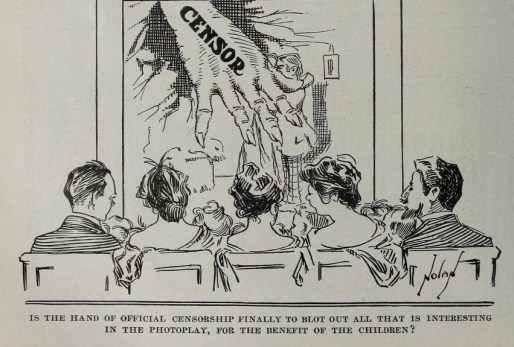
A study in The Journal of Sex Research reinforces the libertarian view that pornography “artists”, purveyors and users should be left alone, free to engage in their private activities without censorship or harassment by the state. The study is entitled “Is Pornography Really about ‘Making Hate to Women’? Pornography Users Hold More Gender Egalitarian Attitudes Than Nonusers in a Representative American Sample“. It can be downloaded free-of-charge at the link. Here’s the abstract:

“According to radical feminist theory, pornography serves to further the subordination of women by training its users, males and females alike, to view women as little more than sex objects over whom men should have complete control. Composite variables from the General Social Survey were used to test the hypothesis that pornography users would hold attitudes that were more supportive of gender nonegalitarianism than nonusers of pornography. Results did not support hypotheses derived from radical feminist theory. Pornography users held more egalitarian attitudes—toward women in positions of power, toward women working outside the home, and toward abortion—than nonusers of pornography. Further, pornography users and pornography nonusers did not differ significantly in their attitudes toward the traditional family and in their self-identification as feminist. The results of this study suggest that pornography use may not be associated with gender nonegalitarian attitudes in a manner that is consistent with radical feminist theory.“

The study did not deal with child pornography in any way. The study focused strictly on attitudes toward women among porn users in general, attitudes that are clearly relevant to divergent opinions regarding the need for activist social policy with respect to adult pornography:

“Some clinicians, researchers, and social commentators have adopted the view that pornography can improve sexual functioning by providing frank sexual information, reducing shame and anxiety associated with sex, and invigorating libido (… citations). In contrast, others have cautioned that the use of such materials can be associated with risky sexual behavior, poor mental health and well-being, degraded relationship functioning, and, of course, sexual aggression (… citations).“

The authors, Taylor Kohuta, Jodie L. Baera and Brendan Watts, quote feminist Gail Dines as an example of the rhetoric used by porn prohibitionists:

“Porn is the most succinct and crisp deliverer of a woman-hating ideology. While we have other places that encode such an ideology, nowhere does it quite as well as porn, as this delivers messages to men’s brain via the penis—a very powerful method.“

The paper includes a lengthy review of previous research on pornography, sexual attitudes, and “non-egalitarian” attitudes toward women. Earlier research was generally based on small samples or those confined to limited demographic segments, but support for the radical feminist view was inconsistent at best.

Kohuta, et al, attempt to extend earlier work with a large sample of males and females (porn is viewed by both genders) from the General Social Survey (GSS), described in detail at the link, and a more thorough set of attitudinal measures. The five measures are listed in the abstract quoted above. In none of the five cases did the use of pornography correspond to “less egalitarian views” toward women, and in three cases it corresponded to more egalitarian views, though I’d quibble with the abortion measure, which might not be meaningful in that context.

The findings are robust to gender and run contrary to the assertions of radical feminists and other moralistic busybodies: pornography does not encourage “woman hatred” or attitudes that might lead to aggressive behavior toward women, nor is viewership of porn consistent with a predisposition toward those attitudes:

“Of the five high-powered statistical tests conducted in this study, a total of three tests indicated that individuals who had viewed a pornographic film in the past year held more egalitarian attitudes than those who had not—a pattern of results that directly contradicts the predictions generated from radical feminist theory. Of the remaining two tests, neither was statistically significant. Taken together, the results of this study fail to support the view that pornography is an efficient deliverer of ‘women-hating ideology’.

Instead of demonstrating strong associations between pornography use and support of nonegalitarianism, if anything the current findings actually suggest weak associations in the opposite direction. Compared to nonusers, participants who reported viewing a pornographic film in the previous year also reported more positive attitudes toward women in positions of power, less negative attitudes toward women in the workforce, and less negative attitudes toward abortion…. “

The authors make a strong value judgment by assuming that a favorable attitude toward abortion represents a more egalitarian attitude toward women. They rationalize this treatment by noting that radical feminists consider “reproductive autonomy” to be a critical test of gender equality. However, abortion is not always a decision made solely by the woman. Furthermore, porn viewers of either gender, and participants in recreational sex, are likely to find the idea of a pregnancy something of a buzz kill, so the attitude maybe one of convenience. More fundamentally, abortion involves the rights of a human fetus versus the right of the parent(s) to terminate the pregnancy. If one’s ethical convictions are such that the fetus’ rights are paramount, it may not reflect a non-egalitarian attitude toward women.

I find the other four attitudinal measures used in the study unobjectionable. Identification as a “feminist” might mean different things to different people, but it nearly always means a generally strong support for women’s rights. In any case, those four tests indicate no association between porn use and an attitude favoring an inferior role for women in society.

Pornography use was defined by Kohuta, et al by whether the subject admitted to viewing any X-rated film over the past year. There was no distinction between different types of porn, such as depictions of sadomasochism, violent sex, or nonconsensual sex. Therefore, the study does not address whether a taste for these forms is associated with less egalitarian attitudes toward women. Whether viewership of porn or violent forms of porn is associated with acts of aggression against women is much harder to establish. However, as a general question, the attitudes found to be associated with porn in this study suggest that users are unlikely to be inclined toward nonconsensual sex or aggression toward women.

Porn viewers obviously find the subject matter entertaining; it may appeal to their fantasies and might serve as a prelude to sex. Whether those are “prurient” interests is a subjective matter. Porn viewing is a private activity that shouldn’t matter to anyone else. Whether they admit it or not, most adults have had at least a peak at porn, perhaps unintentionally. It might have offended them, but they know how to avoid it; if they have children they should know how to utilize parental controls. I’m skeptical that it hurts anyone. Those who like it even a little bit should be able to enjoy it privately.

In 2012, Eugene Volokh wrote a practical criticism of an idea in the Republican Party platform that “current laws on all forms of pornography and obscenity need to be vigorously enforced”, as well as an earlier Bush Administration effort to crack down on porn. He concluded that such policies could have three possible outcomes:

“1) The crackdown on porn is doomed to be utterly ineffective at preventing the supposedly harmful effects of porn on its viewers, and on the viewers’ neighbors [because porn is available from many foreign and domestic sources].
2) The crackdown on porn will be made effective — by implementing a comprehensive government-mandated filtering system run by some administrative agency that constantly monitors the Net and requires private service providers to block any sites that the agency says are obscene.
3) The crackdown on porn will turn into a full-fledged War on Smut that will be made effective by prosecuting, imprisoning, and seizing the assets of porn buyers.“

Volokh’s conclusions apply to all forms of porn, not just non-violent porn. He underlines the draconian implications of attempts to censor porn:

“I’m asking: How can the government’s policy possibly achieve its stated goals, without creating an unprecedentedly intrusive censorship machinery, one that’s far, far beyond what any mainstream political figures are talking about right now?“

While Volokh does not address the question of whether porn users have a constitutional right to do so, the First Amendment should protect it as free expression. The paper discussed here implies that porn is no threat to women based on the attitudes expressed by users in the GSS. This is consistent with the libertarian principle that free people must be unencumbered by any authority in their choice of entertainment.

Evil Force Multiplication

15 Tuesday Mar 2016

Posted by Nuetzel in Liberty, Socialism, Tyranny

≈ Leave a comment

Tags

Banality of Evil, Bookworm Room, Force Multiplier, Gary Johnson, Genocide, Johan Norberg, Nordic Nirvana, Social Democracy, Ted Cruz, Welfare State

big-govt compassion

Following up on “Socialism Is Concentrated Power“, check out “Because government is a force multiplier for evil, a vote for the small government candidate is a vote for good” from the Bookworm Room. I’m four days late making my 2nd anniversary post on Sacred Cow Chips, so this is it. I’ll try to keep it brief so I can get it out before bedtime on a school night.

I don’t agree with everything in Bookworm’s analysis, but I certainly agree with the general thrust:

“The problem with government is that, as it grows, no matter the original good intentions behind it, it invariably becomes a force multiplier for evil. Thus, once government power passes a certain point, government becomes the equivalent of a bull in a china shop, with its every motion causing massive damage. Incidentally, the china in that shop is always you — the individual.“

Bookworm discusses two major forms of force multiplication of evil by the state: money and death. Governments are incredible graft machines and resource wastrels. More tragically, the many genocidal acts over the course of history would not have been possible without government as the machine of authority and “legitimization”. Fear of the government’s police power may ultimately spur normal people to participate in “banal” acts of unspeakable evil. And here, Bookworm points out a few ironies about the “nice” people who root for state control:

“A compassionate government will talk itself into euthanizing people who, because they are very old or sick, use up more than their fair share of medical care. This has already happened under England’s National Health Service, which kills off old, sick people, and whose ‘ethicists’ advocate even more killings (out of ‘compassion’ of course).

A compassionate government dedicated to efficiency will convince itself that individuals or organizations that stand in the way of efficiency must be controlled and, if they won’t be controlled, must be destroyed. After all, without mandated efficiency, people will suffer.

A compassionate government dedicated to “fairness” (usually thought of in economic terms), will quickly conclude that it’s entirely unfair that one distinct group or another is wealthier or healthier than the rest. That group must be brought to heel and, failing that, destroyed.

A compassionate government dedicated to national purity will naturally have to kill the impure within its borders and, once that’s done, it would be even more compassionate to extend that purity throughout the world.

Even the most murderous theocracies will argue that compassion guides them. Their tortures, executions, and Holy Wars are meant to bring people closer to God, which is the highest form of human existence. Isn’t that a nice, compassionate thing to do?“

Bookworm offers praise to the genius of the U.S. founding fathers in crafting governing principles designed to limit government power. And Bookworm recognizes Senator Ted Cruz as the only major party candidate to consistently stand for small government and constitutional principles. I’m not all in on this endorsement, as Cruz has taken stands and aligned himself with individuals not supportive of civil liberties such as gay marriage. However, in many important ways, Cruz recognizes the danger of government power. Bookworm might have mentioned Gary Johnson, the likely Libertarian Party nominee, as the most consistent critic of big government among the names likely to appear on presidential ballots in the fall.

Some might object to Bookworm’s discussion of the many failed experiments with government domination of society by noting that he never mentions the alleged success of European social democracies, particularly the Nordic states. Sweden and Denmark are the most cited examples. However, Europe is not an economic success story, with median incomes comparable to states with the lowest incomes in the U.S. Moreover, the “Nordic Nirvana” is something of a myth. In “How Laissez-Faire Made Sweden Rich“, Johan Norberg gives a detailed history of Sweden’s political and economic evolution:

“It was not socialist policies that turned Sweden into one of the world’s richest countries. When Sweden got rich, it had one of the most open and deregulated economies in the world, and taxes were lower than in the United States and most other western countries. The Social Democrats kept most of those policies intact until the 1970s, when they thought that those excellent foundations—unprecedented wealth, a strong work ethic, an educated work force, world-class exports industries, and a relatively honest bureaucracy—were so stable that the government could tax and spend and build a generous cradle-to-grave welfare state on them.

They couldn’t. At least not without costs. Because that welfare state began to erode the conditions that had made the model viable in the first place. And the fourth richest country became the 14th richest within three decades.“

Fortunately, for more than 70 years, Western Europe has avoided the kind of dire, genocidal consequences that often flow from a dominant state, but Europe has stagnated economically. Hazards await them as a growing and increasingly diverse population competes for diminished economic gains; government control is a dead-weight on their prospects. I hope we can avoid that fate in the U.S., though we’re already far down the road. Like the Bookworm says, vote for small government!


The Virtue of Libertarian Consistency

25 Wednesday Nov 2015

Posted by Nuetzel in Liberty

≈ Leave a comment

Tags

"Legitimized" Aggression, American Civil Liberties Union, Classical Liberalism, European Conservatism, Friedrich Hayek, Fusionism, Jonah Goldberg, Libertarianism vs. Conservatism, National Review, Non-Aggression, Non-Coercion, Public goods, Role of Government

Libertarians

Many on the Right of the political spectrum sincerely believe that they hold libertarian views. They might be close on some economic matters, but only some, and not on a host of social issues. Fewer on the Left make the same mistake, but it happens. Some uninformed lefties might imagine that the American Civil Liberties Union (ACLU) is representative of libertarianism, and occasionally the ACLU does take positions consistent with libertarian views. Many of these individuals, left and right, probably self-identify as libertarian only because they think it “sounds good”. After all, the root “liberty” might ring a compelling (if distant) bell, but perhaps I’m congratulating myself.

Jonah Goldberg, the conservative senior editor of National Review, wrote an interesting article a few weeks ago called “Fusionism, 60 Years Later“. In it, he describes the historical relationship between libertarianism and conservatism. Fusionism, Goldberg says, is the longstanding effort to find common ground between these two camps. He contends that most support for libertarian ideas comes from Conservatives:

“In other words, conservatives tend to be libertarian, but libertarians tend not to be conservative. …libertarians want to have their own identity, separate and distinct from that of conservatism. They’re a bit like the Canadians you meet abroad who go to almost obsessive lengths to show everyone that they aren’t American.“

I got a laugh out of that quote because it contains a grain of truth, but Goldberg knows all too well that there are substantive differences between Libertarians and Conservatives on the role of government. There are not-so-subtle departures on the basic role of government in regulating personal behavior. Libertarians, of course, believe that government almost never has a legitimate role in that area, with exceptions for the prevention and redress of various forms of aggression. Another difference is that Conservatives, like the political Left (not a typo), often favor government promotion of private business objectives, including protectionist anti-trade legislation, policies which Libertarians consistently oppose. And unlike Libertarians, Conservatives make a glaring exception to their avowed dedication to small government in their support for massive military outlays and foreign incursions in the name of protecting vital U.S. interests, which usually amount to safeguarding private economic interests abroad.

Nevertheless, Goldberg contends that Libertarians and Conservatives are all classical liberals, defined broadly:

“The Founding Fathers were all classical liberals, but … they were largely conservative in manners, morals, and faith. Their conservatism was not labeled as such because it suffused the culture and was simply taken for granted. …

Until the middle of the 20th century, the conservative side of the classical-liberal tradition in America was not cultivated the way the libertarian side was, in large part because no one thought it needed to be cultivated.“

That may be, but it does not diminish the differences that exist. Insofar as “conservatism” is about the preservation of certain institutions, such as private property, free speech, and other individual liberties, then there are areas of commonality between Conservatives and Libertarians, but full “fusion” is impossible if Conservatives cannot consistently recognize the appropriate limits of government. The power of government derives from its police power, or “legitimized” aggression to accomplish public objectives. That power must be restrained by adherence to the kinds of checks embodied in the U.S. Constitution.

Here is a quote from Goldberg’s piece giving just a bit too much relative credit to Conservatives on the subject of morality:

“… conservatives borrowed heavily from the libertarian tradition, but they also borrowed from the religious, patriotic, and moral arsenals of the Founders. That is why the libertarians have stood apart like Coptic Christians, who claim a lineage and authenticity that needs no sanction from the larger, more powerful, and more syncretic Catholic Church.“

The libertarian philosophy is grounded in two moral principles to which I’ve already referred: liberty and non-aggression (or non-coercion). The liberty of individuals is sacrosanct (as it was to the Founders) but does not extend to physically aggressive actions, including any form of theft. Liberty includes freedom of speech (the notion of “micro-aggression” is unlikely to carry much (if any) weight with most libertarians) and the freedom to defend oneself. Defined properly, aggression includes the imposition of external costs on others, such as unchecked pollution of the environment.

Ideally, “legitimized” aggression or coercion by the state extends only to preventing aggression by private parties or foreign aggressors, and to the revenue collection necessary to provide public goods desired by the polity. Defining strict limits on aggression by private and public parties provides a direct mapping to the broad extent of liberty. In other words, non-aggression itself implies liberty.

The libertarian philosophy provides a moral framework that exists comfortably alongside a wide range of religious beliefs as well as atheism. However, it cannot be denied that differing religious beliefs among libertarians often inform different positions when the rights of individuals stand in conflict.

There is no reason to assume that Libertarians lack patriotism, as Goldberg comes close to implying. However, patriotism should never be used to justify aggression, whether that involves limiting expression or unnecessarily entering into conflicts abroad. So Goldberg is stretching when he credits Conservatives with a better grip on moral or patriotic principles than Libertarians.

Goldberg ends his piece with misgivings about the potential for Donald Trump to hijack the conservative movement, and in this I am sympathetic. About Trump, he says:

“He makes little or no effort to celebrate conservatism as a defense of the American tradition of liberty. He never talks about the Constitution, nor plausibly about religion. He makes scant mention of freedom. Instead, he taps into deep reservoirs of resentment and a kind of nationalism that has little to do with patriotism rightly understood.“

Goldberg’s piece serves as a reminder of Friedrich Hayek’s great essay, “Why I Am Not a Conservative“. While not referencing this essay explicitly, Goldberg mentions that Hayek and other European political philosophers have known a different kind of conservatism than what we know in the U.S. In Europe, conservatives:

“... sought to conserve the absolute rule of Church and Throne. The American Founders sought to overthrow even the partial rule of Church and Throne. And therein lies all the difference. In Europe, conservatism was understood as the opposite of classical liberalism. The reverse was the case in America, as Friedrich Hayek observed: ‘What in Europe was called ‘liberalism’ was here the common tradition on which the American polity had been built: thus the defender of the American tradition was a liberal in the European sense.’“

Point well taken, and Hayek understood that difference all too well. His essay focuses on certain unflattering aspects of conservatism that ring true of the American version as well, including certain nationalistic and authoritarian tendencies, and a penchant for government involvement when it suits them:

“… neither moral nor religious ideals are proper objects of coercion, while both conservatives and socialists recognize no such limits. I sometimes feel that the most conspicuous attribute of [classical] liberalism that distinguishes it as much from conservatism as from socialism is the view that moral beliefs concerning matters of conduct which do not directly interfere with the protected sphere of other persons do not justify coercion.“

My attraction to libertarian philosophy has much to do with the simple appeal of liberty and the ugliness of aggression. However, I think my original attraction to libertarianism was strongly related to the superiority of market forces as a form of social organization. Market forces cannot operate very effectively without liberty, and the healthy maintenance of liberty is facilitated by the superior resource allocation made possible by market forces. What a beautiful symbiosis!

Child Quotas: Family as a Grant of Privilege

05 Thursday Nov 2015

Posted by Nuetzel in Liberty, Tyranny

≈ 1 Comment

Tags

Amartya Sen, Bret Stephens, Chinese Family Policy, Eugenics, Fertility rates, Liberalism, Limits to Growth, Nicholas Eberstadt, One Child Policy, Paul Erlich, Progressive Left, The Club of Rome, The Population Bomb, Wall Street Journal

china one child

How could any self-described liberal believe for a second that China’s “One Child Policy” was anything but repressive? By utterly failing to live up to liberalism! The policy was “reformed” last week after more than 35 years by a Beijing government trying to face up to the huge demographic and economic crisis posed by an aging population. But as Nicholas Eberstadt reports, now it is a “Two Child Policy“, which is less tyrannical only by degrees. (The link takes you to a Google search to bypass the WSJ paywall — choose the top result there.) Here are some of the awful consequences of the one-child policy noted by Eberstadt:

“First came alarming reports that female infanticide, an ancient practice, had once again erupted throughout the countryside. China’s 1982 census, released some years later, showed an unnatural imbalance in the sex ratio for birth-year 1981 on the order of hundreds of thousands of missing baby girls.

Infanticide was then replaced by mass sex-selective abortion, made possible in the late 1980s by increased rural access to ultrasound machines. China’s sex ratio climbed to nearly 120 baby boys for every 100 baby girls, where it plateaued around 2000. Although a war against baby girls is evident in other countries—India and Taiwan among them—leading Chinese demographers have suggested that half or more of China’s imbalance may directly result from the one-child policy.“

Bret Stephens discusses the support historically offered by the Left for the one-child policy. (This piece is also at wsj.com and it’s apparently a free link, but use Google if it doesn’t work.) Stephens rightly calls the policy “the ultimate assault on the human rights of women and girls.” He traces the Left’s penchant for central authority over family autonomy back to Paul Erlich’s “The Population Bomb” and the Club of Rome‘s discredited “Limits to Growth“, but it also descends from an earlier Leftist fascination with eugenics. The ideas live on today. Stephens notes the Malthusian connection to another great Lefist shibboleth, our purported climate change crisis:

“For much of the 20th century it was faith in History, especially in its Marxist interpretation. Now it’s faith in the environment. Each is a comprehensive belief system, an instruction sheet on how to live, eat and reproduce, a story of how man fell and how he might be redeemed, a tale of impending crisis that’s also a moral crucible.“

Amartya Sen asks whether the one-child policy really influenced fertility rates at all, but I question the reliability of the figures she cites. The high ratio of male to female births contributes to my suspicions. According to Eberstadt, a number of Chinese demographers have been warning against continuing the one-child policy for at least a decade. Other reports give the strong impression that it has been a binding constraint.

Economic growth provides a voluntary and effective brake on birth rates. The continuing agitation for restraints on economic growth to reduce carbon emissions short circuits this mechanism. Not only is the climate change “crisis” ill-founded, these measures hinder the development and diffusion of technologies that would be more efficient in reducing carbon discharge, instead imposing immediate remediation that is often uneconomic. The unimaginative solution offered by the progressive Left is central control over our progeny and our production of goods. Repression is always their best answer. That ain’t liberalism!

Artwork or Art Work? Effort or Value?

21 Wednesday Oct 2015

Posted by Nuetzel in Human Welfare, Liberty

≈ Leave a comment

Tags

Carl Menger, Karl Marx, Labor Theory of Value, Liberty.me, Marginal Product, Michael Bunch, Mises Wire, Ryan McMaken Frederic Bastiat, Value Creation

Theory of Coffee Value

I know a talented artist who refuses to sell his paintings for less than he values the hours spent rendering them. His work is vibrant and arresting, but he doesn’t sell many paintings, which frustrates him greatly. I know very little about marketing artwork, but I do know that his pricing rationale is foolish. For one thing, the hours expended on a particular work are a sunk cost that he should forget if he wants to sell. And he doesn’t know this, but his opinion on pricing is an implication of Karl Marx’s labor theory of value, the flawed proposition that all value derives from the labor necessary to produce it.

Of course, value is in the eye of the beholder. In any potential exchange, value is determined in the first instance by the subjective assessment of a prospective buyer. Their willingness to pay is based on the enjoyment or utility they expect to gain from the transaction. There is no deal if the seller is unwilling to trade at that price; no one benefits unless the seller is thrilled to do the work without compensation, happy to consume or enjoy their own output, or gratified to simply hold it in inventory. My artist friend isn’t happy with that outcome, but his valuation has not passed a market test. Exactly where is the economic value of his labor? This is a cruel reality to those who scrape by in pursuits that often fail market tests, but it’s a reality that allows resources to be guided into uses that are most highly-valued and that satisfy wants most effectively.

It is surprising to me that the labor theory of value is so thoroughly embedded in the public’s thinking. Ryan McMaken at Mises Wire addresses this point in “Nobody Cares How Hard You Work“. Employers and employees often mistake hours worked and even effort for economic value. Working hard is thought to be admirable, but it is not always consistent with value creation:

“… too many workplaces still subtly communicate to employees the idea that intense effort, usually in the form of long hours, is the best route to a promotion. In fact, though, if you can do your job brilliantly and still leave at 3 p.m. each day, a really good boss shouldn’t object. And by the same token, you shouldn’t cite all the effort you put in when making your case for a raise. Why should a results-focused boss even care?“

At Liberty.me, Michael Bunch’s “A Misunderstanding of Labor and Value” offers some excellent quotes on the distinction, including this from Carl Menger:

“Value is a judgment economizing men make about the importance of the goods at their disposal for the maintenance of their lives and well-being. Hence value does not exist outside the consciousness of men.“

Ignoring the contribution of existing capital to production is an obvious error made by proponents of the labor theory of value, who argue that all value creation should be returned to labor as a reward. Bunch quotes Frederic Bastiat on this topic:

“Without these things [i.e., capital], the labor of man would be unproductive, and almost void; yet these very things have required much work, especially at first. This is the reason that so much value has been attached to the possession of them, and also that it is perfectly lawful to exchange and to sell them, to make a profit of them if used, to gain remuneration from them if lent.“

Yes, capital is man-made wealth, and labor plays an obvious role in its creation. Once extant, however, capital is a productive asset that enhances the productivity of labor as well. As property, its owners must be rewarded at least its marginal product, just as labor must be rewarded at least its marginal product. If the total product is deemed of sufficient value by buyers, then the activity will continue to the benefit of all concerned.

Bunch’s real intent is a bit off-topic: he seeks to refute the notion that patriarchy in the U.S. is active in assigning under-compensated roles to women. I’m not convinced that it’s necessary to debunk the labor theory of value to make that point. 

Is the labor theory of value irrational? Yes! Behavioral economists agree, as the links above point out. There are certainly times when the theory drives the subjective market valuations of buyers. Some behavioral economists use this as a rationale for government intrusion, but there is every reason to believe that an external authority would produce more distorted valuations and allocate resources less efficiently than the flawed market participants. And after all, in a free society, it is not incumbent on an authority to second guess private decisions. A good outcome is whatever floats your boat.

Egalitarian Aggression

15 Thursday Oct 2015

Posted by Nuetzel in Big Government, Equality, Liberty

≈ Leave a comment

Tags

Comparative advantage, Dylan Matthews, Egalitarianism, Equality of Opportunity, Inequality, Integrity of the Family, John Rawls, Llewellyn Rockwell Jr., Mises Institute, Redistribution, Robert Nisbet, The Mises Daily, Vox, Wilt Chamberlain Problem

communism Lady liberty in rear view mirror

In what sense is “equality” a rational objective? Can it ever be achieved without aggression? It’s certainly admirable for individuals to treat all others fairly and without bias against personal traits. A society composed of individuals possessing that kind of integrity is one in which “equal opportunity” exists in an intuitive sense. Such a society would yield market outcomes that are free from personal discrimination.

There are many social pitfalls when central authorities attempt to enforce this sort of equality. There will always be minor and even random cases of treatment that someone considers unfair. Any effort to adjudicate such incidents comes at a great resource cost. The potential for moral hazard in pursuing grievances is also strong, and the enforcement authority may well have biases of its own.

Stronger forms of equality are even more difficult to achieve in a free society. There are many barriers to “equality” that most people would regard as natural, like genetics and the integrity of the family. And like family, many other barriers to equality are cultural virtues, such as educational and occupational rewards based on merit. The institution of strong private property rights provides an effective system of incentives that fosters efficient resource allocation, promoting economic growth and human well-being, but it’s rewards will not be distributed equally.

Institutionalized tampering with any of these features for the sake of equality tends to legitimize envy as a cause of social action. And the intrusions require design and enforcement of a system of social “overrides” by a central authority possessing police power. Needless to say, this must involve elements of aggression and tyranny. These overrides introduce significant risks to individual freedom and the functioning of markets, and are likely to cause widespread destruction of welfare. In that sense, forced equality cannot be a rational objective.

These points are developed more fully in “The Menace of Egalitarianism“, a piece by Llewellyn Rockwell Jr. at the Mises Daily blog.

“A libertarian is perfectly at peace with the universal phenomenon of human difference. He does not wish it away, he does not shake his fist at it, he does not pretend not to notice it. It affords him another opportunity to marvel at a miracle of the market: its ability to incorporate just about anyone into the division of labor. … Indeed the division of labor is based on human difference.“

Rockwell goes on to explain the law of comparative advantage, which allows more productive and less productive individuals to profit by specializing in areas for which each has the lowest opportunity cost. And when producers compete for rewards, as Rockwell notes, average consumers (and rich ones and poor ones) are the ultimate beneficiaries.

Outcomes such as the inequality of wealth and income are not only impossible to avoid, they are natural consequences of economic freedom. Several earlier posts on Sacred Cow Chips have dealt with this topic, and can be viewed from the Home page by typing “inequality” into the search box near the top. For his part, Rockwell discusses the “Wilt Chamberlain” problem, whereby private demand to witness great athletic prowess results in a shift towards an unequal distribution of income:

“… the pattern of wealth distribution is disturbed as soon as anyone engages in any exchange at all. Are we to cancel the results of all these exchanges and return everyone’s money to the original owners? Is Chamberlain to be deprived of the money people freely chose to gave [sic] him in exchange for the entertainment he provided?“

The fact that “equality” is seldom well-defined as an actual objective should be met with skepticism. Here’s more Rockwell:

“It is precisely this lack of clarity that makes the idea of equality so advantageous for the state. No one is entirely sure what the principle of equality commits him to. And keeping up with its ever-changing demands is more difficult still. … Equality is a concept that cannot and will not be kept restrained or nailed down.”  

He takes a dismal view of “cultural inequality” and “equality of opportunity” as worthwhile causes for invoking the power of the state. For example, two families in different economic circumstances will generally confer different opportunities to their children. Dylan Matthews at Vox makes the same point in “Equality of Opportunity“, though Matthews’ analysis is weak in several respects. The point here is that there is only so much that can be done to correct for unequal family-related endowments without undermining the integrity of the family (not to mention property rights). This has long been a bone of contention with respect to the design of U.S. welfare programs. But the problem is much deeper:

“In the course of working toward equality, the state expands its power at the expense of other forms of human association, including the family itself. The family has always been the primary obstacle to the egalitarian program. The very fact that parents differ in their knowledge, skill levels, and devotion to their offspring means that children in no two households can ever be raised ‘equally.’

Robert Nisbet, the Columbia University sociologist, openly wondered if [John] Rawls would be honest enough to admit that his system, if followed to its logical conclusion, had to lead to the abolition of the family. ‘I have always found treatment of the family to be an excellent indicator of the degree of zeal and authoritarianism, overt or latent, in a moral philosopher or political theorist,’ Nisbet said.“

And here is Rawls himself expressing doubts, as quoted by Rockwell:

“It seems that when fair opportunity (as it has been defined) is satisfied, the family will lead to unequal chances between individuals. Is the family to be abolished then? Taken by itself and given a certain primacy, the idea of equal opportunity inclines in this direction.“

The quest for “equality” is a creeping force. It infects economic life in a way that makes widespread gains in welfare difficult to achieve, diminishes expectations and fosters social devolution. It also leads to demands for eliminating useful distinctions, which can only be erased though aggression by the state. This forces a convergence toward the least common denominator throughout the culture. I believe the following statement by Rockwell rings true:

“The obsession with equality… undermines every indicator of health we might look for in a civilization. It involves a madness so complete that although it flirts with the destruction of the family…. It leads to the destruction of standards — scholarly, cultural, and behavioral. It is based on assertion rather than evidence, and it attempts to gain ground not through rational argument but by intimidating opponents into silence. There is nothing honorable or admirable about any aspect of the egalitarian program.“

← Older posts
Newer posts →
Follow Sacred Cow Chips on WordPress.com

Recent Posts

  • The Case Against Interest On Reserves
  • Immigration and Merit As Fiscal Propositions
  • Tariff “Dividend” From An Indigent State
  • Almost Looks Like the Fed Has a 3% Inflation Target
  • Government Malpractice Breeds Health Care Havoc

Archives

  • January 2026
  • December 2025
  • November 2025
  • October 2025
  • September 2025
  • August 2025
  • July 2025
  • June 2025
  • May 2025
  • April 2025
  • March 2025
  • February 2025
  • January 2025
  • December 2024
  • November 2024
  • October 2024
  • September 2024
  • August 2024
  • July 2024
  • June 2024
  • May 2024
  • April 2024
  • March 2024
  • February 2024
  • January 2024
  • December 2023
  • November 2023
  • August 2023
  • July 2023
  • June 2023
  • May 2023
  • April 2023
  • March 2023
  • February 2023
  • January 2023
  • December 2022
  • November 2022
  • October 2022
  • September 2022
  • August 2022
  • July 2022
  • June 2022
  • May 2022
  • April 2022
  • March 2022
  • February 2022
  • January 2022
  • December 2021
  • November 2021
  • October 2021
  • September 2021
  • August 2021
  • July 2021
  • June 2021
  • May 2021
  • April 2021
  • March 2021
  • February 2021
  • January 2021
  • December 2020
  • November 2020
  • October 2020
  • September 2020
  • August 2020
  • July 2020
  • June 2020
  • May 2020
  • April 2020
  • March 2020
  • February 2020
  • January 2020
  • December 2019
  • November 2019
  • October 2019
  • September 2019
  • August 2019
  • July 2019
  • June 2019
  • May 2019
  • April 2019
  • March 2019
  • February 2019
  • January 2019
  • December 2018
  • November 2018
  • October 2018
  • September 2018
  • August 2018
  • July 2018
  • June 2018
  • May 2018
  • April 2018
  • March 2018
  • February 2018
  • January 2018
  • December 2017
  • November 2017
  • October 2017
  • September 2017
  • August 2017
  • July 2017
  • June 2017
  • May 2017
  • April 2017
  • March 2017
  • February 2017
  • January 2017
  • December 2016
  • November 2016
  • October 2016
  • September 2016
  • August 2016
  • July 2016
  • June 2016
  • May 2016
  • April 2016
  • March 2016
  • February 2016
  • January 2016
  • December 2015
  • November 2015
  • October 2015
  • September 2015
  • August 2015
  • July 2015
  • June 2015
  • May 2015
  • April 2015
  • March 2015
  • February 2015
  • January 2015
  • December 2014
  • November 2014
  • October 2014
  • September 2014
  • August 2014
  • July 2014
  • June 2014
  • May 2014
  • April 2014
  • March 2014

Blogs I Follow

  • Passive Income Kickstart
  • OnlyFinance.net
  • TLC Cholesterol
  • Nintil
  • kendunning.net
  • DCWhispers.com
  • Hoong-Wai in the UK
  • Marginal REVOLUTION
  • Stlouis
  • Watts Up With That?
  • Aussie Nationalist Blog
  • American Elephants
  • The View from Alexandria
  • The Gymnasium
  • A Force for Good
  • Notes On Liberty
  • troymo
  • SUNDAY BLOG Stephanie Sievers
  • Miss Lou Acquiring Lore
  • Your Well Wisher Program
  • Objectivism In Depth
  • RobotEnomics
  • Orderstatistic
  • Paradigm Library
  • Scattered Showers and Quicksand

Blog at WordPress.com.

Passive Income Kickstart

OnlyFinance.net

TLC Cholesterol

Nintil

To estimate, compare, distinguish, discuss, and trace to its principal sources everything

kendunning.net

The Future is Ours to Create

DCWhispers.com

Hoong-Wai in the UK

A Commonwealth immigrant's perspective on the UK's public arena.

Marginal REVOLUTION

Small Steps Toward A Much Better World

Stlouis

Watts Up With That?

The world's most viewed site on global warming and climate change

Aussie Nationalist Blog

Commentary from a Paleoconservative and Nationalist perspective

American Elephants

Defending Life, Liberty and the Pursuit of Happiness

The View from Alexandria

In advanced civilizations the period loosely called Alexandrian is usually associated with flexible morals, perfunctory religion, populist standards and cosmopolitan tastes, feminism, exotic cults, and the rapid turnover of high and low fads---in short, a falling away (which is all that decadence means) from the strictness of traditional rules, embodied in character and inforced from within. -- Jacques Barzun

The Gymnasium

A place for reason, politics, economics, and faith steeped in the classical liberal tradition

A Force for Good

How economics, morality, and markets combine

Notes On Liberty

Spontaneous thoughts on a humble creed

troymo

SUNDAY BLOG Stephanie Sievers

Escaping the everyday life with photographs from my travels

Miss Lou Acquiring Lore

Gallery of Life...

Your Well Wisher Program

Attempt to solve commonly known problems…

Objectivism In Depth

Exploring Ayn Rand's revolutionary philosophy.

RobotEnomics

(A)n (I)ntelligent Future

Orderstatistic

Economics, chess and anything else on my mind.

Paradigm Library

OODA Looping

Scattered Showers and Quicksand

Musings on science, investing, finance, economics, politics, and probably fly fishing.

  • Subscribe Subscribed
    • Sacred Cow Chips
    • Join 128 other subscribers
    • Already have a WordPress.com account? Log in now.
    • Sacred Cow Chips
    • Subscribe Subscribed
    • Sign up
    • Log in
    • Report this content
    • View site in Reader
    • Manage subscriptions
    • Collapse this bar
 

Loading Comments...