There is no better example of environmental degradation and waste than the spread of solar farms around the world, spurred on by short-sighted public policy and abetted by a subsidy-hungry investors. As a resource drain, wind farms are right up there, but I’ll focus here on the waste and sheer ugliness of solar farms, inspired by a fine article on their inefficiency by Matt Ridley.
What An Eyesore!
On a drive through the countryside you’ll see once bucolic fields now blanketed with dark solar panels. Hulking windmills are bad enough, but the panels can obliterate an entire landscape. If this objection strikes you as superficial, then your sensibilities run strangely counter to those of traditional environmentalists. It would be a bit less aesthetically offensive if solar farms actually solved a problem, but they don’t, and they impose other costs to boot.
Paltry Power
In terms of power generation, solar collection panels represent an inefficient use of land and other resources. Solar power has very low energy density relative to other sources. As Ridley says:
“Solar power needs around 200 times as much land as gas per unit of energy and 500 times as much as nuclear. Reducing the land we need for human civilisation is surely a vital ecological imperative. The more concentrated the production, the more land you spare for nature.“
The intermittency of solar power means that its utilization or capacity factor is far less than nameplate capacity, yet the latter is usually quoted by promoters and investors. The mismatch in timing between power demand and power generated by solar will not be overcome by battery technology any time soon.
And yet governments coerce taxpayers in order to create artificially high returns on the construction and operation of solar farms, a backward intervention that puts more efficient sources of power at a disadvantage.
Seduction On the Farm
Solar farms installed on erstwhile cropland reflect confused public priorities. Land that is well-suited to growing crops or grazing livestock is probably better left available for those purposes. Granted, rural landowners who add solar panels probably limit installations to their least productive crop- or rangeland, but not always. Private incentives are distorted by the firehose of subsidies available for solar installations. Regardless, lands left fallow, dormant or forested still put the sun’s energy to good ecological use.
Capital invested in solar power entails unutilized capacity at night and under-utilized capacity over much of the day. Peaks in solar collection generally occur when power demand is low during daylight hours, but it is unavailable when power demand is high in the evening. Battery technology remains woefully inadequate for effective storage, necessitating a steep ramp in back-up power sources at night. And those back-up sources are, in turn, underutilized during daylight hours. The over-investment made necessary by renewables is staggering.
Landowners can try to grow certain crops underneath or between panels, or grass and weeds for grazing livestock, on what sunlight reaches ground level. This is known as Agrivoltaics. It comes with extra costs, however, and it is a bit of a dive for crumbs. Ridley says agrivoltaics is a zero-sum game, but the federal government offers subsidized funding for “experiments” of this nature. Absent subsidies, agrivoltaics might well be negative-sum in an economic sense.
Environmental Hazards
Ridley discusses the severe environmental costs and add-on risks of solar farming to local environments. Fabrication of the panels themselves requires intensive mining, processing and energy consumption. In the field, the underlying structural requirements are massive. The panels raise air temperatures within their vicinity and present a hazard to waterfowl. Panels damaged by storms, birds, or deterioration due to age are pollution hazards. Furthermore, panels have heavy disposal costs at the end of their useful lives. and old panels are often toxic. Adding today’s inefficient battery technology to solar installations only compounds these environmental risks.
Better Alternatives
Solar and renewable energy advocates seem to have little interest in the efficiency advantages of dispatchable, zero-carbon nuclear power. Nor will they wait for prospective space-based solar collection. Instead, they continue to push terrestrial solar and the idle capital it entails.
It’s worth asking why advocates of energy planning tolerate the obvious ugliness and inefficiencies of solar farming. Of course, they are preoccupied with climate risk, or at least they’d like for you to be so preoccupied. They prescribe measures against climate risk that seem to offer immediacy, but these measures are ineffectual at best and damaging in other ways. There are better technologies for producing zero-carbon energy, and it looks as if the power demands of the AI revolution might finally provide the impetus for a renaissance in nuclear power investment.
First, a preliminary issue: many resources qualify as commons in the very broadest sense, yet free societies have learned over time that many resources are used much more productively when property rights are assigned to individuals. For example, modern agriculture owes much to defining exclusive property rights to land so that conflicting interests don’t have to compete (e.g,, the farmer and the cowman). Federal land is treated as a commons, however. There is a rich history on the establishment of property rights, but within limits, the legal framework in place can define whether a resource is treated as a commons, a club good, or private property. The point here is that there are substantial economic advantages to preserving strong property rights, rather than treating all resources as communal.
The authors of the planetary commons (PC) paper present a rough sketch for governance over use of the planet’s resources, given their belief that a planetary crisis is unfolding before our eyes. The paper has two main thrusts as I see it. One is to broadly redefine virtually all physical resources as common pool interests because their use, in the authors’ view, may entail some degree of external cost involving degradation of the biosphere. The second is to propose centralized, “planetary” rule-making over the amounts and ways in which those resources are used.
It’s an Opinion Piece
The PC paper is billed as the work product of a “collaborative team of 22 leading international researchers”. This group includes four attorneys (one of whom was a lead author) and one philosopher. Climate impact researchers are represented, who undoubtedly helped shape assumptions about climate change and its causes that drive the PC’s theses. (More on those assumptions in a section below.) There are a few social scientists of various stripes among the credited authors, one meteorologist, and a few “sustainability”, “resilience”, and health researchers. It’s quite a collection of signees, er… “research collaborators”.
Grabby Interventionists
The reasoning underlying a “planetary commons” (PC) is that the planet’s biosphere qualifies as a commons. The biosphere must include virtually any public good like air and sunshine, any common good like waterways, or any private good or club good. After all, any object can play host to tiny microbes regardless of ownership status. So the PC authors characterization of the planet’s biosphere as a commons is quite broad in terms of conventional notions of resource attributes.
We usually think of spillover or external costs as arising from some use of a private resource that imposes costs on others, such as air or water pollution. However, mere survival requires that mankind exploit both public and non-public resources, acts that can always be said to impact the biosphere in some way. Efforts to secure shelter, food, and water all impinge on the earth’s resources. To some extent, mankind must use and shape the biosphere to succeed, and it’s our natural prerogative to do so, just like any other creature in the food chain.
Even if we are to accept the PC paper’s premise that the entire biosphere should be treated is a commons, most spillovers are de minimus. From a public policy perspective, it makes little sense to attempt to govern over such minor externalities. Monitoring behavior would be costly, if not impossible, at such an atomistic level. Instead, free and civil societies rely on a high degree of self-governance and informal enforcement of ethical standards to keep small harms to a minimum.
Unfortunately, the identification and quantification of meaningful spillover costs is not always clear-cut. This has led to an increasingly complex regulatory environment, an increasingly litigious business environment, and efforts by policymakers to manage the detailed inputs and outputs of the industrial economy.
All of that is costly in its own right, especially because the activities giving rise to those spillovers often enable large welfare enhancements. Regulators and planners face great difficulties in estimating the costs and benefits of various “correctives”. The very undertaking creates risk that often exceeds the cost of the original spillover. Nevertheless, the PC paper expands on the murkiest aspects of spillover governance by including “… all critical biophysical Earth-regulating systems and their functions, irrespective of where they are located…” as part of a commons requiring “… additional governance arrangements….”
Adoption of the PC framework would authorize global interventions (and ultimately local interventions, including surveillance) on a massive scale based on guesswork by bureaucrats regarding the evolution of the biosphere.
Ostrom Upside Down
Not only would the PC framework represent an expansion of the grounds for intervention by public authorities, it seeks to establish international authority for intervention into public and private affairs within sovereign states. The authors attempt to rationalize such far-reaching intrusions in a rather curious way:
“Drawing on the legacy of Elinor Ostrom’s foundational research, which validated the need for and effectiveness of polycentric approaches to commons governance (e.g., ref. 35, p. 528, ref. 36, p. 1910), we propose that a nested Earth system governance approach be followed, which will entail the creation of additional governance arrangements for those planetary commons that are not yet adequately governed.”
Anyone having a passing familiarity with Elinor Ostrom’s work knows that she focused on the identification of collaborative solutions to common goods problems. She studied voluntary and often strictly private efforts among groups or communities to conserve common pool resources, as opposed to state-imposed solutions. Ostrom accepted assigned rights and pricing solutions to managing common resources, but she counseled against sole reliance on market-based tools.
Surely the PC authors know they aren’t exactly channeling Ostrom:
“An earth system governance approach will require an overarching global institution that is responsible for the entire Earth system, built around high-level principles and broad oversight and reporting provisions. This institution would serve as a universal point of aggregation for the governance of individual planetary commons, where oversight and monitoring of all commons come together, including annual reporting on the state of the planetary commons.”
Polycentricity was used by Ostrom to describe the involvement of different, overlapping “centers of authority”, such as individual consumers and producers, cooperatives formed among consumers and producers, other community organizations, local jurisdictions, and even state or federal regulators. Some of these centers of authority supersede others in various ways. For example, solutions developed by cooperatives or lower centers of authority must align with the legal framework within various government jurisdictions. However, as David Henderson has noted, Ostrom observed that management of pooled resources at lower levels of authority was generally superior to centralized control. Henderson quotes Ostrom and a co-author on this point:
“When users are genuinely engaged in decisions regarding rules affecting their use, the likelihood of them following the rules and monitoring others is much greater than when an authority simply imposes rules.”
The authors of the PC have something else in mind, and they bastardize the spirit of Ostrom’s legacy in the process. For example, the next sentence is critical for understanding the authors’ intent:
“If excessive emissions and harmful activities in some countries affect planetary commons in other areas—for example, the melting of polar ice—strong political and legal restrictions for such localized activities would be needed.”
Of course, there are obvious difficulties in measuring impacts of various actions on polar ice, assigning responsibility, and determining the appropriate “restrictions”. But in essence, the PC paper advocates for a top-down model of governance. Polycentrism is thus reduced to “you do as we say”, which is not in the spirit of Ostrom’s research.
Planetary Governance
Transcending national sovereignty on questions of the biosphere is key to the authors’ ambitions. At a bare minimum, the authors desire legally-binding commitments to international agreements on environmental governance, unlike the unenforceable promises made for the Paris Climate Accords:
“At present, the United Nations General Assembly, or a more specialized body mandated by the Assembly, could be the starting point for such an overarching body, even though the General Assembly, with its state-based approach that grants equal voting rights to both large countries and micronations, represents outdated traditions of an old European political order.”
But the votes of various “micronations” count for zilch when it comes to real “claims” on the resources of other sovereign nations! Otherwise, there is nothing “voluntary” about the regime proposed in the PC paper.
“A challenge for such regimes is to duly adapt and adjust notions of state sovereignty and self-determination, and to define obligations and reciprocal support and compensation schemes to ensure protection of the Earth system, while including comprehensive stewardship obligations and mandates aimed at protecting Earth-regulating systems in a just and inclusive way.”
So there! The way forward is to adopt the broadest possible definition of market failure and global regulation of any and all private activity touching on nature in any way. And note here a similarity to the Paris Accords: achieving commitments would fall to national governments whose elites often demonstrate a preference for top-down solutions.
Ah Yes, Redistribution
It should be apparent by now that the PC paper follows a now well-established tradition in multi-national climate “negotiations” to serve as subterfuge for redistribution (which, incidentally, includes the achievement of interspecies justice):
“For instance, a more equal sharing of the burdens of climate stabilization would require significant multilateral financial and technology transfers in order not to harm the poorest globally (116).”
The authors insist that participation in this governance would be “voluntary”, but the following sentence seems inconsistent with that assurance:
“… considering that any move to strengthen planetary commons governance would likely be voluntarily entered into, the burdens of conservation must be shared fairly (115).”
Wait, what? “Voluntary” at what level? Who defines “fairness”? The authors approvingly offer this paraphrase of the words of Brazilian President Lula da Silva,
“… who affirmed the Amazon rainforest as a collective responsibility which Brazil is committed to protect on behalf of all citizens around the world, and that deserves and justifies compensation from other nations (117).”
Let Them Eat Cake
Furthermore, PC would require de-growth and so-called “sufficiency” for thee (i.e., be happy with less), if not for those who’ll design and administer the regime.
“… new principles that align with novel Anthropocene dynamics and that could reverse the path-dependent course of current governance. These new principles are captured under a new legal paradigm designed for the Anthropocene called earth system law and include, among others, the principles of differentiated degrowth and sufficiency, the principle of interconnectivity, and a new planetary ethic (e.g., principle of ecological sustainability) (134).”
If we’re to take the PC super-regulators at their word, the regulatory regime wouldimpinge on fertility decisions as well. Just who might we trust to govern humanity thusly? If we’re wise enough to applythe Munger Test, we wouldn’t grant that kind of power to our worst enemy!
Global Warmism
The underlying premise of the PC proposal is that a global crisis is now unfolding before our eyes: anthropomorphic global warming (AGW). The authors maintain that emissions of carbon dioxide are the cause of rising temperatures, rapidly rising sea levels, more violent weather, and other imminent disasters.
“It is now well established that human actions have pushed the Earth outside of the window of favorable environmental conditions experienced during the Holocene…”
“Earth system science now shows that there are biophysical limits to what existing organized human political, economic, and other social systems can appropriate from the planet.”
For a variety of reasons, both of these claims are more dubious than one might suppose based on popular narratives. As for the second of these, mankind’s limitless capacity for innovation is a more powerful force for sustainability than the authors would seem to allow. On the first claim, it’s important to note that the PC paper’s forebodings are primarily based on modeled, prospective outcomes, not historical data. The models are drastically oversimplified representations of the earth’s climate dynamics driven by exogenous carbon forcing assumptions. Their outputs have proven to be highly unreliable, overestimating warming trends almost without exception. These models exaggerate climate sensitivity to carbon forcings, and they largely ignore powerful natural forcings such as variations in solar irradiance, geological heating, and even geological carbon forcings. The models are also notorious for their inadequate treatment of feedback effects from cloud cover. Their predictions of key variables like water vapor are wildly in error.
The measurement of the so-called “global temperature” is itself subject to tremendous uncertainty. Weather stations come and go. They are distributed very unevenly across land masses, and measurement at sea is even sketchier. Averaging all these temperatures would be problematic even if there were no other issues… but there are. Individual stations are often sited poorly, including distortions from heat island effects. Aging of equipment creates a systematic upward bias, but correcting for that bias (via so-called homogenization) causes a “cooling the past” bias. It’s also instructive to note that the increase in global temperature from pre-industrial times actually began about 80 years prior to the onset of more intense carbon emissions in the 20th century.
Climate alarmists often speak in terms of temperature anomalies, rather than temperature levels. In other words, to what extent do temperatures differ from long-term averages? The magnitude of these anomalies, using the past several decades as a base, tend to be anywhere from zero degrees to well above one degree Celsius, depending on the year. Relative to temperature levels, the anomalies are a small fraction. Given the uncertainty in temperature levels, the anomalies themselves are dwarfed by the noise in the original series!
Pick Your Own Tipping Point
It seems that“tipping point” scares are heavily in vogue at the moment, and the PC proposal asks us to quaff deeply of these narratives. Everything is said to be at a tipping point into irrecoverable disaster that can be forestalled only by reforms to mankind’s unsustainable ways. To speak of the possibility of other causal forces would be a sacrilege. There are supposed tipping points for the global climate itself as well as tipping points for the polar ice sheets, the world’s forests, sea levels and coastal environments, severe weather, and wildlife populations. But none of this is based on objective science.
For example, the 1.5 degree limit on global warming is a wholly arbitrary figure invented by the IPCC for the Paris Climate Accords, yet the authors of the PC proposal would have us believe that it was some sort of scientific determination. And it does not represent a tipping point. Cliff Mass explains that climate models do not behave as if irreversible tipping points exist.
Likewise, the rise of sea levels has not accelerated from prior trends, so it has nothing to do with carbon forcing.
One thing carbon forcings have accomplished is a significant greening of the planet, which if anything bodes well for the biosphere
What about the disappearance of the polar ice sheets? On this point, Cliff Mass quotes Chapter 3 of the IPCC’s Special Report on the implications of 1.5C or more warming:
“there is little evidence for a tipping point in the transition from perennial to seasonal ice cover. No evidence has been found for irreversibility or tipping points, suggesting that year-round sea ice will return given a suitable climate.”
The PC paper also attempts to connect global warming to increases in forest fires, but that’s incorrect: there has been no increasing trend in forest fires or annual burned acreage. If anything, trends in measures of forest fire activity have been negative over the past 80 years.
Concluding Thoughts
The alarmist propaganda contained in the PC proposal is intended to convince opinion leaders and the public that they’d better get on board with draconian and coercive steps to curtail economic activity. They appeal to the sense of virtue that must always accompany consent to authoritarian action, and that means vouching for sacrifice in the interests of environmental and climate equity. All the while, the authors hide behind a misleading version of Elinor Ostrom’s insights into the voluntary and cooperative husbandry of common pool resources.
One day we’ll be able to produce enough carbon-free energy to accommodate high standards of living worldwide and growth beyond that point. In fact, we already possess the technological know-how to substantially reduce our reliance on fossil fuels, but we lack the political will to avail ourselves of nuclear energy. With any luck, that will soften with installations of modular nuclear units.
Ultimately, we’ll see advances in fusion technology, beamed non-intermittent solar power from orbital collection platforms, advances in geothermal power, and effective carbon capture. Developing these technologies and implementing them at global scales will require massive investments that can be made possible only through economic growth, even if that means additional carbon emissions in the interim. We must unleash the private sector to conduct research and development without the meddling and clumsy efforts at top-down planning that typify governmental efforts (including an end to mandates, subsidies, and taxes). We must also reject ill-advised attempts at geoengineered cooling that are seemingly flying under the regulatory radar. Meanwhile, let’s save ourselves a lot of trouble by dismissing the interventionists in the planetary commons crowd.
Appeals to reason and logic are worthless in dealing with fanatics, so it’s too bad that matters of public policy are so often subject to fanaticism. Nothing is more vulnerable on this scale than climate policy. Why else would anyone continue to listen to prognosticators of such distinguished failure as Paul Ehrlich? Perhaps most infamously, his 1970s forecasts of catastrophe due to population growth were spectacularly off-base. He’s a man without any real understanding of human behavior and how markets deal efficiently and sustainably with scarcity. Here’sa little more detail on his many misfires. And yet people believe him! That’s blind faith.
The foolish acceptance of chicken-little assertions leads to coercive and dangerous policy prescriptions. These are both unnecessary and very costly in direct and hidden ways. But we hear a frantic chorus that we’d better hurry or… we’re all gonna die! Ironically, the fate of the human race hardly matters to the most radical of the alarmists, who are concerned only that the Earth itself be in exactly the same natural state that prevailed circa 1800. People? They don’t belong here! One just can’t take this special group of fools too seriously, except that they seem to have some influence on an even more dangerous group of idiots called policymakers.
Judith Curry, an esteemed but contrarian climate expert, writes of the “faux urgency” of climate action, and how the rush to implement supposed climate mitigations is a threat to our future:
“Rapid deployment of wind and solar power has invariably increased electricity costs and reduced reliability, particularly with increasing penetration into the grid. Allegations of human rights abuses in China’s Xinjiang region, where global solar voltaic supplies are concentrated, are generating political conflicts that threaten the solar power industry. Global supply chains of materials needed to produce solar and wind energy plus battery storage are spawning new regional conflicts, logistical problems, supply shortages and rising costs. The large amount of land use required for wind and solar farms plus transmission lines is causing local land use conflicts in many regions.”
Curry also addresses the fact that international climate authorities have “moved the goalposts” in response to the realization that the so-called “crisis” is not nearly as severe as we were told not too long ago. And she has little patience for delusions that authorities can reliably force adjustments in human behavior so as to to reduce weather disasters:
“Looking back into the past, including paleoclimatic data, there has been more extreme weather [than today] everywhere on the planet. Thinking that we can minimize severe weather through using atmospheric carbon dioxide as a control knob is a fairy tale.”
The lengths to which interventionists are willing to go should make consumer/taxpayers break out their pitchforks. It’s absurd to entertain mandates forcing vehicles powered by internal combustion engines (ICEs) off the road, and automakers know it. Recently, the head of Toyota Motors acknowledged his doubts that electric vehicles (EVs) can meet our transportation demands any time soon:
“People involved in the auto industry are largely a silent majority. That silent majority is wondering whether EVs are really OK to have as a single option. But they think it’s the trend so they can’t speak out loudly. Because the right answer is still unclear, we shouldn’t limit ourselves to just one option.”
In the same article, another Toyota executive says that neither the market nor the infrastructure is ready for a massive transition to EVs, a conclusion only a dimwit could doubt. Someone should callthe Big 3 American car companies!
No one is a bigger cheerleader for EVs than Elon Musk. In the article about Toyota, he is quoted thusly:
“At this time, we actually need more oil and gas, not less. Realistically I think we need to use oil and gas in the short term, because otherwise civilization will crumble. One of the biggest challenges the world has ever faced is the transition to sustainable energy and to a sustainable economy. That will take some decades to complete.”
Of course, for the foreseeable future, EVs will be powered primarily by electricity generated from burning fossil fuels. So why the fuss? But as one wag said, that’s only until the government decides to shut down those power plants. After that, good luck with your EV!
Gas stoves are a new target of our energy overlords, but this can’t be about fuel efficiency, and it’s certainly not about the quality of food preparation. The claim by an environmental think tank called “Carbon-Free Buildings” is that gas stoves are responsible for dangerous indoor pollutants. Of course, the Left was quick to rally around this made-up problem, despite the fact that they all seem to use gas stoves and didn’t know anything about the issue until yesterday! And, they insist, racial minorities are hardest hit! Well, they might consider using exhaust fans, but the racialist rejoinder is that minorities aren’t adequately informed about the dangers and mitigants. Okay, start a safe-use info campaign, but keep government away from an embedded home technology that is arguably superior to the electric alternative in several respects.
“Worldwide average solar natural capacity factor (CF) reaches about ~11-13%. Best locations in California, Australia, South Africa, Sahara may have above 25%, but are rare. (see www.globalsolaratlas.info, setting direct normal solar irradiance)
Worldwide average wind natural capacity factors (CF) reach about ~21-24%. Best off-shore locations in Northern Europe may reach above 40%. Most of Asia and Africa have hardly any usable wind and the average CF would be below 15%, except for small areas on parts of the coasts of South Africa and Vietnam. (see www.globalwindatlas.info, setting mean power density)”
Those CFs are natural capacity factors (i.e., the wind doesn’t always blow or blow at “optimal” speeds, and the sun doesn’t always shine or shine at the best angle), The CFs don’t even account for “non-natural” shortfalls in actual utilization and other efficiency losses. It would be impossible for investors to make these technologies profitable without considerable assistance from taxpayers, but they couldn’t care less about whether their profits are driven by markets or government fiat. You see, they really aren’t capitalists. They are rent seekers playing a negative-sum game at the expense of the broader society.
There are severe environmental costs associated with current wind and solar technologies. Awful aesthetics and the huge inefficiencies of land use are bad enough. Then there are deadly consequences for wildlife. Producing inputs to these technologies requires resource-intensive and environmentally degrading mining activities. Finally, the costs of disposing of spent, toxic components of wind turbines and solar panels are conveniently ignored in most public discussions of renewables.
There is still more hypocritical frosting on the cake. Climate alarmists are largely opposed to nuclear power, a zero-carbon and very safe energy source. They also fight to prevent development of fossil fuel energy plant for impoverished peoples around the world, which would greatly aid in economic development efforts and in fostering better and safer living conditions. Apparently, they don’t care. Climate activists can only be counted upon to insist on wasteful and unreliable renewable energy facilities.
Before concluding, it’s good to review just a few facts about the “global climate”:
1) the warming we’ve seen in forecasts and in historical surface temperature data has been distorted by urban heat island effects, and weather instruments are too often situated in local environments rich in concrete and pavement.
2) Satellite temperatures are only available for the past 43 years, and they have to be calibrated to surface measurements, so they are not independent measures. But the trend insatellite temperatures over the past seven years has been flat or negative at a time when global carbon emissions are at all-time highs.
3) There have been a series of dramatic adjustments to historical data that have “cooled the past” relative to more recent temperatures.
4) The climate models producing catastrophic long-term forecasts of temperatures have proven to be biased to the high side, having drastically over-predicted temperature trends over the past two- to three decades.
5) Sea levels have been rising for thousands of years, and we’ve seen an additional mini-rebound since the mini-ice age of a few hundred years ago. Furthermore, the rate of increase in sea levels has not accelerated in recent decades, contrary to the claims of climate alarmists.
6) Storms and violent weather have shown no increase in frequency or severity, yet models assure us that they must!
Despite these facts, climate change fanatics will only hear of climate disaster. We should be unwilling to accept the climatological nonsense now passing for “settled science”, itself a notion at odds with the philosophy of science. I’m sad to say that climate researchers are often blinded by the incentives created by publication bias and grant money from power-hungry government bureaucracies and partisan NGOs. They are so blinded, in fact, that research within the climate establishment now almost completely ignores the role of other climatological drivers such as the solar irradiance, volcanic activity, and the role and behavior of atmospheric aerosols. Yes, only the global carbon dial seems to matter!
No one is more sympathetic to “the kids” than me, and I’m sad that so much of the “fan base” for climate action is dominated by frightened members of our most youthful generations. It’s hard to blame them, however. Their fanaticism has been inculcated by a distinctly non-scientific community of educators and journalists who are willing to accept outrageous assertions based on “toy models” concocted on weak empirical grounds. That’s not settled science. It’s settled propaganda.
Just how renewable is “renewable” energy, or more specifically solar and wind power? Intermittent though they are, the wind will always blow and the sun will shine (well, half a day with no clouds). So the possibility of harvesting energy from these sources is truly inexhaustible. Obviously, it also takes man-made hardware to extract electric power from sunshine and wind — physical capital— and it is quite costly in several respects, though taxpayer subsidies might make it appear cheaper to investors and (ultimately) users. Man-made hardware is damaged, wears out, malfunctions, or simply fails for all sorts of reasons, and it must be replaced from time to time. Furthermore, man-made hardware such as solar panels, wind turbines, and the expansions to the electric grid needed to bring the power to users requires vast resources and not a little in the way of fossil fuels. The word “renewable” is therefore something of a misnomer when it comes to solar and wind facilities.
Solar Plant
B. F. Randall (@Mining_Atoms) has a Twitter thread on this topic, or actually several threads (see below). The first thing he notes is that solar panels require polysilicon, which not recyclable. Disposal presents severe hazards of its own, and to replace old solar panels, polysilicon must be produced. For that, Randall says you need high-purity silica from quartzite rock, high-purity coking coal, diesel fuel, and large flows of dispatchable (not intermittent) electric power. To get quartzite, you need carbide drilling tools, which are not renewable. You also need to blast rock using ammonium nitrate fuel oil derived from fossil fuels. Then the rock must be crushed and often milled into fine sand, which requires continuous power. The high temperatures required to create silicon are achieved with coking coal, which is also used in iron and steel making, but coking coal is non-renewable. The whole process requires massive amounts of electricity generated with fossil fuels. Randall calls polysilicon production “an electricity beast”.
Greenwashing
The resulting carbon emissions are, in reality, unlikely to be offset by any quantity of carbon credits these firms might purchase, which allow them to claim a “zero footprint”. Blake Lovewall describes the sham in play here:
“The biggest and most common Carbon offset schemes are simply forests. Most of the offerings in Carbon marketplaces are forests, particularly in East Asian, African and South American nations. …
The only value being packaged and sold on these marketplaces is not cutting down the trees. Therefore, by not cutting down a forest, the company is maintaining a ‘Carbon sink’ …. One is paying the landowner for doing nothing. This logic has an acronym, and it is slapped all over these heralded offset projects: REDD. That is a UN scheme called ‘Reduce Emissions from Deforestation and Forest Degradation’. I would re-name it to, ‘Sell off indigenous forests to global investors’.”
Lovewall goes on to explain that these carbon offset investments do not ensure that forests remain pristine by any stretch of the imagination. For one thing, the requirements for managing these “preserves” are often subject to manipulation by investors working with government; as such, the credits are often vehicle for graft. In Indonesia, for example, carbon credited forests have been converted to palm oil plantations without any loss of value to the credits! Lovewall also cites a story about carbon offset investments in Brazil, where the credits provided capital for a massive dam in the middle of the rainforest. This had severe environmental and social consequences for indigenous peoples. It’s also worth noting that planting trees, wherever that might occur under carbon credits, takes many years to become a real carbon sink.
While I can’t endorse all of Lovewall’s points of view, he makes a strong case that carbon credits are a huge fraud. They do little to offset carbon generated by entities that purchase them as offsets. Again, the credits are very popular with the manufacturers and miners who participate in the fabrication of physical capital for renewable energy installations who wish to “greenwash” their activities.
Wind Plant
Randall discusses the non-renewability of wind turbines in a separate thread. Turbine blades, he writes, are made from epoxy resins, balsa wood, and thermoplastics. They wear out, along with gears and other internal parts, and must be replaced. Land disposal is safe and cheap, but recycling is costly and requires even greater energy input than the use of virgin feedstocks. Randall’s thread on turbines raised some hackles among wind energy defenders and even a few detractors, and Randall might have overstated his case in one instance, but the main thrust of his argument is irrefutable: it’s very costly to recycle these components into other usable products. Entrepreneurs are still trying to work out processes for doing so. It’s not clear that recycling the blades into other products is more efficient than sending them to landfills, as the recycling processes are resource intensive.
But even then, the turbines must be replaced. Recycling the old blades into crates and flooring and what have you, and producing new wind turbines, requires lots of power. And as Randall says, replacement turbines require huge ongoing quantities of zinc, copper, cement, and fossil fuel feedstocks.
The Non-Renewability of Plant
It shouldn’t be too surprising that renewable power machinery is not “renewable” in any sense, despite the best efforts of advocates to convince us of their ecological neutrality. Furthermore, the idea that the production of this machinery will be “zero carbon” any time in the foreseeable future is absurd. In that respect, this is about like the ridiculous claim that electric vehicles (EVs) are “zero emission”, or the fallacy that we can achieve a zero carbon world based on renewable power.
It’s time the public came to grips with the reality that our heavy investments in renewables are not “renewable” in the ecological sense. Those investments, and reinvestments, merely buy us what Randall calls “garbage energy”, by which he means that it cannot be relied upon. Burning garbage to create steam is actually a more reliable power source.
Highly Variable With Low Utilization
Randall links to information provided by Martian Data (@MartianManiac1) on Europe’s wind energy generation as of September 22, 2022 (see the tweet for Martian Data’s sources):
“Hourly wind generation in Europe for past 6 months: Max: 122GW Min: 10.2GW Mean: 41.0 Installed capacity: ~236GW”
That’s a whopping 17.4% utilization factor! That’s pathetic, and it means the effective cost is quintuple the value at nameplate capacity. Take a look at this chart comparing the levels and variations in European power demand, nuclear generation, and wind generation over the six months ending September 22nd (if you have trouble zooming in here, try going to the thread):
The various colors represent different countries. Here’s a larger view of the wind component:
A stable power grid cannot be built upon this kind of intermittency. Here is another comparison that includes solar power. This chart is daily covering 2021 through about May 26, 2022.
As for solar capacity utilization, it too is unimpressive. Here is Martian Data’s note on this point, followed by a chart of solar generation over the course of a few days in June:
“so ~15% solar capacity is whole year average. ~5% winter ~20% summer. And solar is brief in summer too…, it misses both both morning and evening peaks in demand.”
Like wind, the intermittency of solar power makes it an impractical substitute for traditional power sources. Check out Martian Data’s Twitter feed for updates and charts from other parts of the world.
Nuclear Efficiency
Nuclear power generation is an excellent source of baseload power. It is dispatchable and zero carbon except at plant construction. It also has an excellent safety record, and newer, modular reactor technologies are safer yet. It is cheaper in terms of generating capacity and it is more flexible than renewables. In fact, in terms of the resource costs of nuclear power vs. renewables over plant cycles, it’s not even close. Here’s a chart recently posted by Randall showing input quantities per megawatt hour produced over the expected life of each kind of power facility (different power sources are labeled at bottom, where PV = photovoltaic (solar)):
In fairness, I’m not completely satisfied with these comparisons. They should be stated in terms of current dollar costs, which would neutralize differences in input densities and reflect relative scarcities. Nevertheless, the differences in the chart are stark. Nuclear produces cheap, reliable power.
The Real Dirt
Solar and wind power are low utilization power sources and they are intermittent. Heavy reliance on these sources creates an extremely brittle power grid. Also, we should be mindful of the vast environmental degradation caused by the mining of minerals needed to produce solar panels and wind turbines, including their inevitable replacements, not to mention the massive land use requirements of wind and solar power. Also disturbing is the hazardous dumping of old solar panelsfrom the “first world” now taking place in less developed countries. These so-called clean-energy sources are anything but clean or efficient.
Bill Gates’ considerable philanthropic efforts through the Gates Foundation are well known. Much of the foundation’s activity has focused on disease control and nutrition around the globe. Education reform has also been a priority. Many of these projects are laudable, though I’m repulsed by a few (see here and here). During the coronavirus pandemic, Gates has spoken approvingly of Non-Pharmaceutical Interventions (lockdown measures), which are both coercive and ineffective (and see here). He has earned the enmity of anti-vaxers, of course, though I’m not anti-vax as long as the jabs are voluntary. The Gates Foundation funded the World Health Organization’s effort to provide guidance on digital vaccine passports, which is a de facto endorsement of discrimination based on vaccination status. His priorities for addressing climate change also raise some troubling issues, a few of which I address below.
Squeezing Policy from a Definition
Gates put a special Malthusian twist on a TED Talk he did back in 2010 using an equation for carbon dioxide emissions, which he’s reprised over the years. It gained a lot of notice in 2016 when a few sticklers noticed that his claim to have “discovered” the equation was false. The equation is:
CO2 = P x S x E x C,
where P = People, S = Services per person, E = Energy per service, and C = CO2 per energy unit.
This equation first appeared as the so-called Kaya Identity in a scientific review in 2002. Such an equation can be helpful in organizing one’s thoughts, but it has no operational implications in and of itself. At one level it is superficial: we could write a similar identity for almost anything, like the quantity of alcohol consumed in a year, which must equal the population times the ounces of alcohol per drink times the number of drinks per person. At a deeper level, it can be tempting to build theories around such equations, and there is no question that any theory about CO2 must at least preserve the identity.
There’s an obvious temptation to treat an equation like this as something that can be manipulated by policy, despite the possibility of behavioral links across components that might lead to unintended consequences. This is where Gates gets into trouble.
Reality Checks
As David Solway writes, Gates’ jumped to the conclusion that population drives carbon emissions, reinforcing a likely perspective that the human population is unsustainable. His benevolent solution? A healthier population won’t breed as fast, so he prescribes more vaccinations (voluntary?) and improved health care. For good measure, he added a third prong: better “reproductive health services”. Let’s see… what share of the 0.9 -1.4 billion reduction in world population Gates prescribed in 2016 would have come from terminated pregnancies?
In fact, healthier people might or might not want more children, but lower child mortality in the developing world would reduce certain economic incentives for high fertility. Another reliable association is between income and child bearing: an increase in “services per person” is likely to lead to smaller families, but that wasn’t given any emphasis by Gates. Income growth is simply not part of the narrative! Yet income growth does something else: it allows us to more easily afford the research and investments required for advanced technologies, including cleaner energy. These things take time, however.
Solway points to other weaknesses in Gates’ interpretation of the Kaya Identity. For example, efforts to slow population growth are not reliably associated with “services per person”, fuel efficiency, or carbon efficiency. In other words, carbon emissions may be powerfully influenced by factors other than population. China is a case in point.
Centralized industrial and social planning is generally ill-suited to advancing human well being. It’s especially suspect if the sole objective is to reduce carbon emissions. But Gates knows that lowering emissions without a corresponding drop in real income requires continuing technological advances and/or more efficient decisions about which technologies to deploy. He is a big advocate of developing cheap hydrogen power, which is far from a reality. He is also excited about carbon capture technologies, which are still in their infancy.
Renewables like wind and solar power play a large part in Gates’ vision. Those technologies cannot deliver a reliable flow of power, however, without either adequate backup capacity or a dramatic advance in battery technology. Gates over-promotes wind and solar, but I give him credit for acknowledging their intermittency. He attempts to come to grips with it by advocating nuclear backup, but it’s just not clear that he has integrated the incremental cost of the necessary backup capacity with other direct costs of these renewables… not to mention the considerable environmental costs imposed by wind and solar (see the “back-to-nature” photo at the top for a cogent illustration). Power storage at scale is still a long way off, and its cost will be significant as well.
We could deploy existing energy technologies to greater advantage with respect to carbon efficiency. We’ve already reduced CO2 emissions in the U.S. by substituting natural gas for less carbon-efficient fuels, but the Biden Administration would rather discourage its use. Gates deserves credit for recognizing the huge role that nuclear energy can play in providing zero-carbon power. Despite that, he still can’t quite bring himself to admit the boneheadedness of heavy reliance on intermittent renewables.
Bill’s “Green Premium”
Gates seems to have deemphasized the Kaya Identity more recently. Instead, his focus has shifted to the so-called “green premium”, or the incremental cost of using zero-carbon technology relative to a traditional source. Needless to say, the premium is large for truly zero-carbon sources, but Gates emphasizes the importance of using the green premium to guide development even in the here and now.
That’s fine, but it’s not clear that he gives adequate consideration to cases in which emissions, while not eliminated, can be reduced at a negative incremental cost via appropriate substitution. That describes the transition to natural gas from other fuels. This is something that markets can do without the assistance of ham-handed interventionists. Gates prefers nuclear power and says natural gas is “not a real bridge technology” to a zero carbon future. That’s short-sighted and reflects an absolutist mindset that ignores both the economic and political environment. The thinking is that if it’s not zero emissions, it’s not worth doing.
Gates emphasizes the need to sharply reduce the range of green premia on various technologies to achieve net-zero carbon emissions by 2050. But the goal of net-zero emissions 2050 is based on the highly unlikely proposition that global catastrophe awaits failing net-zero. In fact, the predicted consequences of doing nothing are based on drastic and outdated carbon growth scenarios and rudimentary carbon-forcing models that have proven to be severely biased to the upside in terms of predicting global temperature trends.
The idea that 2050 is some kind of “deadline” is a wholly arbitrary determination. Furthermore, the absolutism with which such goals are stated belies a failure to properly assess the true costs and benefits of carbon-based energy. If we so much as accept the notion that fossil fuels have external costs, we are then expected to accept that zero carbon emissions is optimal. This is not “science”; it is doctrine propped-up by bizarre and false scare stories. It involves massive efforts to manipulate opinion and coerce behavior based upon shoddy forecasts produced by committee. Even carbon capture technology is considered “problematic” because it implies that someone, somewhere, will use a process that emits CO2. That’s a ridiculous bogeyman, of course, and even Gates supports development of carbon capture.
Conclusion
I’ve never felt any real antipathy for Bill Gates as a person. He built a fortune, and I used his company’s software for most of my career. In some ways I still prefer it to macOS. I believe Gates is sincere in his efforts to help humanity even if his efforts are misdirected. He seems to reside on the less crazy end of the spectrum of climate alarmists. He’s putting a great deal of his private resources toward development of technologies that, if successful, might actually lead to less coercion by those attempting to transform private energy decisions. Nevertheless, there is menace in some of the solutions to which Gates clings. They require concerted action on the part of central authorities that would commandeer private resources and abrogate liberty. His assertion that the world is over-populated is both dubious and dangerous. You can offer free health care, but a conviction that the population must be thinned can lead to far more radical and monstrous initiatives.
The “green premium” promoted by Gates is an indirect measure of how far we must go to achieve parity in the pricing of carbon and non-carbon energy sources, as if parity should be an objective of public policy. That proposition is based on bad economics, fraudulent analyses of trends in carbon concentrations and climate trends, and a purposely incomplete menu of technological alternatives. Yes, the green premium highlights various technological challenges, but it is also a direct measure of how much intervention via taxes or subsidies are necessary to achieve parity. Is that a temptation to policymakers? Or does it represent a daunting political barrier? It’s pretty clear that the “median voter” does not view climate change as the only priority.
Have no doubt: climate change warriors are at battle with humanity itself, ostensibly on behalf of the natural world. They would have us believe that their efforts to eliminate the use of fossil fuels are necessary to keep our planet from becoming a blazing hothouse. However, the global temperature changes we’ve witnessed over the past 150 years, based on the latest Assessment Report (AR6) from the Intergovernmental Panel on Climate Change (IPCC), are well within the range of historical variation.
“Remodeled” History
Jennifer Marohasy posted an informative discussion of the IPCC’s conclusions last month, putting them into a broader climatological context and focusing in particular on measurement issues. In short, discussing “global” temperatures with any exactitude is something of a sham. Moreover, the local temperature series upon which the global calculations are based have been “remodeled.” They are not direct observations. I don’t think it’s too crude to say they’ve been manipulated because the changed records are almost always in one direction: to “cool” the past.
Judith Curry is succinct in her criticism of the approach to climate change adopted by alarmist policymakers and many climate researchers:
“In a nutshell, we’ve vastly oversimplified both the problem and its solutions. The complexity, uncertainty, and ambiguity of the existing knowledge about climate change is being kept away from the policy and public debate. The solutions that have been proposed are technologically and politically infeasible on a global scale.”
We need a little more honesty!
The Real Victims
I want to focus here on some of the likely casualties of the war on fossil fuels. Those are, without a doubt, the world’s poor, who are being consigned by climate activists to a future of abject suffering. Joel Kotkin and Hügo Krüger are spot-on in their recent piece on the inhumane implications of anti-carbon ideology.
Energy-poor areas of the world are now denied avenues through which to enhance their peoples’ well being. Attempts to fund fossil-fuel power projects are regularly stymied by western governments and financial institutions in the interests of staving off political backlash from greens. Meanwhile, far more prosperous nations power their economies with traditional carbon-based energy sources. Most conspicuously, China continues to fuel its rapid growth with coal and other fossil fuels, getting little pushback from climate activists. If you’re wondering how the composition of energy output has evolved, this time-lapse chart is a pretty good guide.
One of the most incredible aspects of this situation is how nuclear energy has been spurned, despite its status as a proven and safe solution to carbon-free power. This excellent thread by Michael Schellenberger covers the object lesson in bad public policy offered by the proposed closing of the Diablo Canyon nuclear plant in California.
In both the U.S. and other parts of the world, as Kotkin and Krüger note, it is not just the high up-front costs that lead to the rejection of these nuclear projects. The green lobby and renewable energy interests are now so powerful that nuclear energy is hardly considered. Much the same is true of low-carbon natural gas:
“Sadly, the combination of virtue-signaling companies and directives shaped by green activists in rich countries – often based on wildly exaggerated projections, notes former Barack Obama advisor Steve Koonin – make such a gradual, technically feasible transition all but impossible. Instead, it is becoming increasingly unlikely that developing countries will be able to tap even their own gas.”
Energy is the lifeblood of every economy. Inadequate power creates obstacles to almost any form of production and renders some kinds of production impossible. And ironically, the environmental consequences of “energy poverty” are dire. Many under-developed economies are largely dependent on deforestation for energy. Without a reliable power grid and cheap energy, consumers must burn open fires in their homes for heat and cooking, a practice responsible for 50% of child pneumonia deaths worldwide, according to Kotkin and Krüger.
Green Environmental Degradation
Typically, under-developed countries are reliant on the extraction of natural resources demanded by the developed world:
“The shift to renewables in the West, for example, has increased focus on developing countries as prime sources for critical metals – copper, lithium, and rare-earth minerals, in particular – that could lead to the devastation of much of the remaining natural and agricultural landscape.… Lithium has led to the depletion of water resources in Latin America and the further entrenchment of child labor in the Democratic Republic of the Congoas the search for cobalt continues.”
Unfortunately, the damage is not solely due to dependence on resource extraction:
“The western greens, albeit unintentionally, are essentially turning the Third World into the place they send their dirty work. Already, notes environmental author Mike Shellenberger, Africans are stuck with loads of discarded, highly toxic solar panels that expose both the legions of rag-pickers and the land itself to environmental degradation – all in the name of environmentalism.”
Battering the Poor In the West
Again, wealthy countries are in far better shape to handle the sacrifices required by the climate calamitists, but it still won’t be easy. In fact, lower economic strata will suffer far more than technocrats, managers, and political elites. The environmental left leans on the insidious lever of energy costs in order to reduce demand, but making energy more costly takes a far larger bite out of the budgets of the poor. In another recent piece, “Jim Crow Returns to California,” Kotkin discusses the disparate impact these energy policies have on minorities.
“This surge in prices derives from the state’s obsession — shared by the ruling tech oligarchs — with renewable energy and the elimination of fossil fuels. Yet as a recent Massachusetts Institute of Technology (MIT) report has shown, over-reliance on renewables is costly, because it requires the production of massive (and environmentally unfriendly) battery-storage capacity — the price of which is invariably passed on to the taxpayer.
This is not bad news for the tech oligarchs, who have been prominent among those profiting from ‘clean energy’ investments. But many other Californians, primarily those in the less temperate interior, find themselves falling into energy poverty or are dependent on state subsidies that raise electricity prices for businesses and the middle class. Black and Latino households are already forced to pay from 20 to 43% more of their household incomes on energy than white households. Last year, more than 4 million households in California (30% of the total) experienced energy poverty.”
Kotkin touches on other consequences of these misguided policies to minority and non-minority working people. In addition to jobs lost in the energy sector, a wide variety of wage earners will suffer as their employers attempt to deal with escalating energy costs. The immediate effects are bad enough, but in the long-run the greens’ plans would scale back the economy’s productive machinery in order to eliminate carbon emissions — net zero means real incomes will decline!
Energy costs have a broad impact on consumer’s budgets. Almost every product imaginable is dependent on energy, and consumer prices will reflect the higher costs. In addition, the “green” effort to curtail development everywhere except in high-density transit corridors inflates the cost of housing, inflicting more damage on workers’ standards of living.
Tighten Your Belts
These problems won’t be confined to California if environmental leftists get their version of justice. Be prepared for economic stagnation for the world’s poor and a sharply reduced standard of living in the developed world, but quite unnecessarily. We’ll all pay in the long run, but the poor will pay much more in relative terms.
The world’s gone far astray in attempts to battle climate change through forced reductions in carbon emissions. Last Wednesday, in an outrageously stupid ruling,a Dutch court ordered Royal Dutch Shell to reduce its emissions by 45% by 2030 relative to 2019 levels. It has nothing to do with Shell’s historical record on the environment. Rather, the Court said Shell’s existing climate action plans did not meet “the company’s own responsibility for achieving a CO2 reduction.” The decision will be appealed, but it appears that “industry agreements” under the Netherlands’ Climate Act of 2019 are in dispute.
Later that same day, a shareholder dissident group supporting corporate action on climate change won at least two ExxonMobil board seats. And then we have the story of John Kerry’s effort to stop major banks from lending to the fossil fuel industry. Together with the Biden Administration’s other actions on energy policy, we are witnessing the greatest attack on conventional power sources in history, and we’ll all pay dearly for it.
The Central Planner’s Conceit
Technological advance is a great thing, and we’ve seen it in the development of safe nuclear power generation, but the environmental left has successfully placed roadblocks in the way of its deployment. Instead, they favor the mandated adoption of what amount to beta versions of technologies that might never be economic and create extreme environmental hazards of their own (see here, here, here, and here). To private adopters, green energy installations are often subsidized by the government, disguising their underlying inefficiencies. These premature beta versions are then embedded in our base of productive capital and often remain even as they are made obsolete by subsequent advances. The “putty-clay” nature of technology decisions should caution us against premature adoptions of this kind. This is just one of the many curses of central planning.
Not only have our leftist planners forced the deployment of inferior technologies: they are actively seeking to bring more viable alternatives to ruination. I mentioned nuclear power and even natural gas offer a path for reducing carbon emissions, yet climate alarmists wage war against it as much as other fossil fuels. We have Kerry’s plot to deny funding for the fossil fuel industry and even activist “woke” investors, attempting to override management expertise and divert internal resources to green energy. It’s not as if renewable energy sources are not already part of these energy firms’ development portfolios. Allocations of capital and staff to these projects are usually dependent upon a company’s professional and technical expertise, market forces, and (less propitiously) incentives decreed by the government. Yet, the activist investors are there to impose their will.
Placing Faith and Fate In Models
All these attempts to remake our energy complex and the economy are based on the presumed external costs associated with carbon emissions. Those costs, and the potential savings achievable through the mitigation efforts of government and private greenies around the globe, have been wildly exaggerated.
The first thing to understand about the climate “science” relied upon by the environmental left is that it is almost exclusively model-dependent. In other words, it is based on mathematical relationships specified by the researchers. Their projections depend on those specs, the selection of parameter values, and the scenarios to which they are subjected. The models are usually calibrated to be roughly consistent with outcomes over some historical time period, but as modelers in almost any field can attest, that is not hard to do. It’s still possible to produce extreme results out-of-sample. The point is that these models are generally not estimated statistically from a lengthy sample of historical data. Even when sound statistical methodologies are employed, the samples are blinkingly short on climatological timescales. That means they are highly sample-specific and likely to propagate large errors out-of-sample. But most of these are what might be called “toy models” specified by the researcher. And what are often billed as “findings” are merely projections based on scenarios that are themselves manufactured by imaginative climate “researchers” cum grant-seeking partisans. In fact, it’s much worse than that because even historical climate data is subject to manipulation, but that’s a topic for another day.
Key Assumptions
What follows are basic components of the climate apocalypse narrative as supported by “the science” of man-made or anthropomorphic global warming (AGW):
(A) The first kind of model output to consider is the increase in atmospheric carbon concentration over time, measured in parts per million (PPM). This is a function of many natural processes, including volcanism and other kinds of outgassing from oceans and decomposing biomass, as well absorption by carbon sinks like vegetation and various geological materials. But the primary focus is human carbon generating activity, which depends on the carbon-intensity of production technology. As Ross McKitrick shows (see chart below), projections from these kinds of models have demonstrated significant upside bias over the years. Whether that is because of slower than expected economic growth, unexpected technological efficiencies, an increase in the service-orientation of economic activity worldwide, or feedback from carbon-induced greening or other processes, most of the models have over-predicted atmospheric carbon PPM. Those errors tend to increase with the passage of time, of course.
(B) Most of the models promoted by climate alarmists are carbon forcing models, meaning that carbon emissions are the primary driver of global temperatures and other phenomena like storm strength and increases in sea level. With increases in carbon concentration predicted by the models in (A) above, the next stage of models predicts that temperatures must rise. But the models tend to run “hot.” This chart shows the mean of several prominent global temperature series contrasted with 1990 projections from the Intergovernmental Panel on Climate Change (IPCC).
The following is even more revealing, as it shows the dispersion of various model runs relative to three different global temperature series:
And here’s another, which is a more “stylized” view, showing ranges of predictions. The gaps show errors of fairly large magnitude relative to the mean trend of actual temperatures of 0.11 degrees Celsius per decade.
(C) Climate sensitivity to “radiative forcing” is a key assumption underlying all of the forecasts of AGW. A simple explanation is that a stronger greenhouse effect, and increases in the atmosphere’s carbon concentration, cause more solar energy to be “trapped” within our “greenhouse,” and less is radiated back into space. Climate sensitivity is usually measured in degrees Celsius relative to a doubling of atmospheric carbon.
And how large is the climate’s sensitivity to a doubling of carbon PPM? The IPCC says it’s in a range of 1.5C to 4.5C. However, findings published by Nic Lewis and Judith Curry are close to the low end of that range, and are those found by the author of the paper described here.
In separate efforts, Finnish and Japanese researchers have asserted that the primary cause of recent warming is an increase in low cloud cover, which the Japanese team attributes to increases in the Earth’s bombardment by cosmic rays due to a weakening magnetic field. The Finnish authors note that most of the models used by the climate establishment ignore cloud formation, an omission they believe leads to a massive overstatement (10x) of sensitivity to carbon forcings. Furthermore, they assert that carbon forcings are mainly attributable to ocean discharge as opposed to human activity.
(D) Estimates of the Social Cost of Carbon (SCC) per ton of emissions are used as a rationale for carbon abatement efforts. The SCC was pioneered by economist William Nordhaus in the 1990s, and today there are a number of prominent models that produce distributions of possible SCC values, which tend to have high dispersion and extremely long upper tails. Of course, the highest estimates are driven by the same assumptions about extreme climate sensitivities discussed above. The Biden Administration is using an SCC of $51 per ton. Some recommend the adoption of even higher values for regulatory purposes in order to achieve net-zero emissions at an early date, revealing the manipulative purposes to which the SCC concept is put. This is a raw attempt to usurp economic power, not any sort of exercise in optimization, as this admission from a “climate expert” shows. In the midst of a barrage of false climate propaganda (hurricanes! wildfires!), he tells 60 Minutes that an acceptable limit on warming of 1.5C is just a number they “chose” as a “tipping point.”
As a measurement exercise, more realistic climate sensitivities yield much lower SCCs. McKitrick presents a chart from Lewis-Curry comparing their estimates of the SCC at lower climate sensitivities to an average of earlier estimates used by IPCC:
High levels of the SCC are used as a rationale for high-cost carbon abatement efforts. If the SCC is overstated, however, then costly abatements represent waste. And there is no guarantee that spending an amount on abatements equal to the SCC will eliminate the presumed cost of a ton’s worth of anthropomorphic warming. Again, there are strong reasons to believe that the warming experienced over the past several decades has had multiple causes, and human carbon emissions might have played a relatively minor role.
Crisis Is King
Some people just aren’t happy unless they have a crisis over which to harangue the rest of us. But try as they might, the vast resources dedicated to carbon reduction are largely wasted. I hesitate to say their effort is quixotic because they want more windmills and are completely lacking in gallantry. As McKitrick notes, it takes many years for abatement to have a meaningful impact on carbon concentrations, and since emissions mix globally, unilateral efforts are practically worthless. Worse yet, the resource costs of abatement and lost economic growth are unacceptable, especially when some of the most promising alternative sources of “clean” energy are dismissed by activists. So we forego economic growth, rush to adopt immature energy alternatives, and make very little progress toward the stated goals of the climate alarmists.
The February cold snap left millions of Texas utility customers without power. I provide a bit of a timeline at the bottom of this post. What happened? Well, first, don’t waste your time arguing with alarmists about whether “climate change” caused the plunge in temperatures. Whether it was climate change (it wasn’t) or anything else, the power shortage had very nuts-and-bolts causes and was avoidable.
Texas has transitioned to producing a significant share of its power with renewables: primarily wind and solar, which is fine across a range of weather conditions, though almost certainly uneconomic in a strict sense. The problem in February was that the state lacks adequate capacity to meet surges under extreme weather conditions. But it wasn’t just that the demand for power surged during the cold snap: renewables were not able to maintain output due to frozen wind turbines and snow-covered solar panels, and even some of the gas- and coal-fired generators had mechanical issues. The reliability problem is typical of many renewables, however, which is why counting on it to provide base loads is extremely risky.
Judith Curry’s web site featured an informative article by a planning engineer this week: “Assigning Blame for the Blackouts in Texas”. The Electric Reliability Council of Texas (ERCOT) is the independent, non-profit operator of the state’s electric grid, with membership that includes utilities, electric cooperatives, other sellers, and consumers. Apparently ERCOT failed to prepare for such an extreme weather event and the power demand it engendered:
“… unlike utilities under traditional models, they don’t ensure that the resources can deliver power under adverse conditions, they don’t require that generators have secured firm fuel supplies, and they don’t make sure the resources will be ready and available to operate.”
ERCOT’s emphasis on renewables was costly, draining resources that otherwise might have been used to provide an adequate level of peak capacity and winterization of existing capacity. Moreover, it was paired with a desire to keep the price of power low. ERCOT has essentially “devalued capacity”:
“Texas has stacked the deck to make wind and solar more competitive than they could be in a system that better recognizes the value of dependable resources which can supply capacity benefits. … capacity value is a real value. Ignoring that, as Texas did, comes with real perils. … In Texas now we are seeing the extreme shortages and market price spikes that can result from devaluing capacity. “
Lest there be any doubt about the reliance on renewables in Texas, the Heartland Institutes’sH. Sterling Burnett notes that ERCOT data:
“… shows that five days before the first snowflake fell, wind and solar provided 58% of the electric power in Texas. But clouds formed, temperatures dropped and winds temporarily stalled, resulting in more than half the wind and solar power going offline in three days never to return during the storm, when the problems got worse and turbines froze and snow and ice covered solar panels.”
Power prices must cover the cost of meeting “normal” energy needs as well as the cost of providing for peak loads. That means investment in contracts that guarantee fuel supplies as well as peak generating units. It also means inter-connectivity to other power grids. Instead, ERCOT sought to subsidize costly renewable power in part by skimping on risk-mitigating assets.
Retail pricing can also help avert crises of this kind. Texas customers on fixed-rate plans had no incentive to conserve as temperatures fell. Consumers can be induced to lower their thermostats with variable-rate plans, and turning it down by even a degree can have a significant impact on usage under extreme conditions. The huge spike in bills for variable-rate customers during the crisis has much to do with the fact that too few customers are on these plans to begin with. Among other things, Lynne Kiesling and Vernon L. Smith discuss the use of digital devices to exchange information on scarcity with customers or their heating systems in real time, allowing quick adjustment to changing incentives. And if a customer demands a fixed-rate plan, the rate must be high enough to pay the customer’s share of the cost of peak capacity.
Price incentives make a big difference, but there are other technological advances that might one day allow renewables to provide more reliable power, as discussed in Tyler Cowen’s post on the “energy optimism” of Austin Vernon”. I find Vernon far too optimistic about the near-term prospects for battery technology. I am also skeptical of wind and solar due to drawbacks like land use and other (often ignored) environmental costs, especially given the advantages of nuclear power to provide “green energy” (if only our governments would catch on). The main thing is that sufficient capacity must be maintained to meet surges in demand under adverse conditions, and economic efficiency dictates that that it is a risk against which ratepayers cannot be shielded.
Note: For context on the chart at the top of this post, temperatures in much of Texas fell on the 9th of February, and then really took a dive on the 14th before recovering on the 19th. Wind generation fell immediately, and solar power diminished a day or two later. Gas and coal helped to offset the early reductions, but it took several days for gas to ramp up. Even then there were shortages. Then, on the 16th, there were problems maintaining gas and coal generation. Gas was still carrying a higher than normal load, but not enough to meet demand.
Do your friends have even a clue as to the massive cost of eliminating fossil fuels? What it would mean for their way of life? Perhaps they do, but it’s not polite to admit to such obvious truths in many circles. Alex Epstein cares enough to tell the world about the spectacular benefits and currently dismal alternatives to fossil fuels in his new book, The Moral Case For Fossil Fuels. His thesis and and a few of his arguments are reviewed in a pair of posts by Bryan Caplan, who really likes the book. According to Caplan:
“Epstein’s book has two key claims. His first claim is descriptive: Laymen and experts alike greatly underestimate the benefits of fossil fuels and greatly overestimate their costs… .
Epstein’s second key claim is normative: Human well-being is the one fundamentally morally valuable thing. Unspoiled nature is only great insofar as mankind enjoys it… .”
Both claims strike me as reasonable, though the first is true only as a generalization about modern energy mythology, punditry and statist philosophy. In fact, one might say that society acts as if it understands the benefits of fossil fuels very well, as evidenced by our emphasis on maintaining a high and/or growing standard of living supported by these energy sources. Yet the popular misconceptions are a reality, and we persist in choosing leaders who favor policies that handicap fossil fuels and human well-being.
Caplan offers some choice quotes from Epstein’s book. I repeat only three. The first is on the benefits of plentiful energy:
“Energy is what we need to build sturdy homes, to purify water, to produce huge amounts of fresh food, to generate heat and air-conditioning, to irrigate deserts, to dry malaria-infested swamps, to build hospitals, and to manufacture pharmaceuticals, among many other things. And those of us who enjoy exploring the rest of nature should never forget that energy is what enables us to explore to our heart’s content, which preindustrial people didn’t have the time, wealth, energy, or technology to do.”
The second quote might seem controversial to some, but it is unequivocally true:
“[W]hen we look at the data, a fascinating fact emerges: As we have used more fossil fuels, our resource situation, our environment situation, and our climate situation have been improving, too.”
The third quote is about the drawbacks of some prominent alternative energy sources:
“Traditionally in discussions of solar and wind there are two problems cited: the diluteness problem and the intermittency problem. The diluteness problem is that the sun and the wind don’t deliver concentrated energy, which means you need a lot of materials per unit of energy produced…
Such resource requirements are a big cost problem, to be sure, and would be one even if the sun shone all the time and the wind blew all the time. But it’s an even bigger problem that the sun and wind don’t work that way. That’s the real problem– the intermittency problem, or more colloquially, the unreliability problem. As we saw in the Gambian hospital, it is of life and death importance that energy be reliable.”
There is no doubt that technology will someday bring better and cleaner energy sources, but we are nowhere close. The flow of subsidies to weak alternatives destroys resources, and the subsidies themselves skew heavily toward the upper end of the wealth distribution. And of course, popular fears about nuclear energy have limited our ability to diversify. For the indefinite future, we would do well to embrace plentiful and cheap fossil fuels, especially to help reduce poverty and poor living conditions in the developing world.
In advanced civilizations the period loosely called Alexandrian is usually associated with flexible morals, perfunctory religion, populist standards and cosmopolitan tastes, feminism, exotic cults, and the rapid turnover of high and low fads---in short, a falling away (which is all that decadence means) from the strictness of traditional rules, embodied in character and inforced from within. -- Jacques Barzun



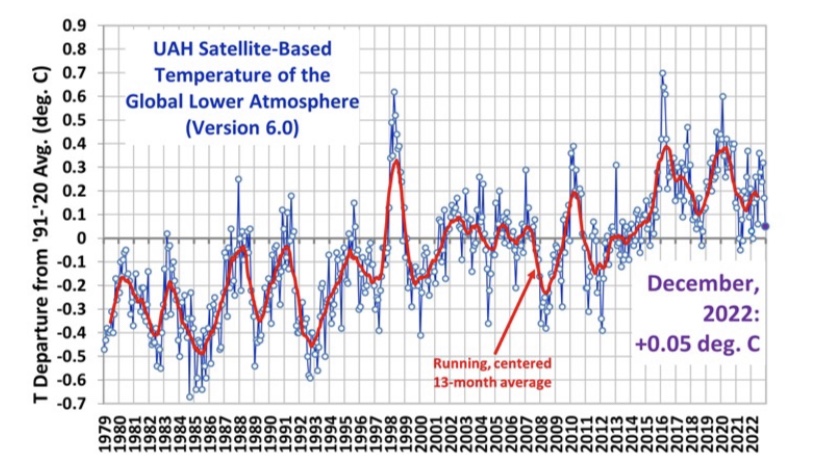
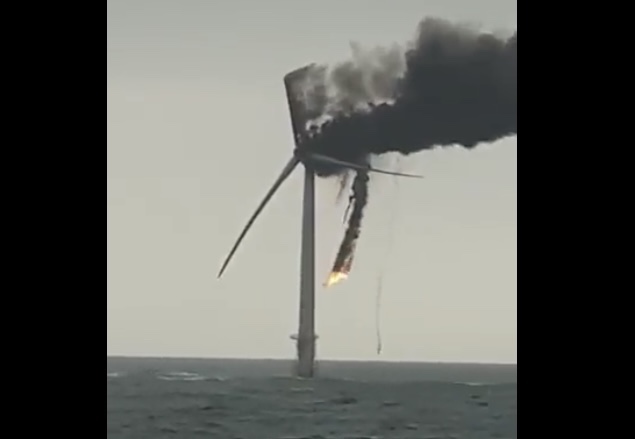
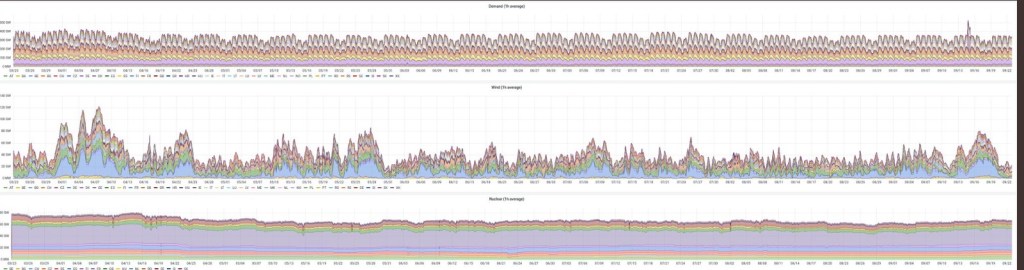
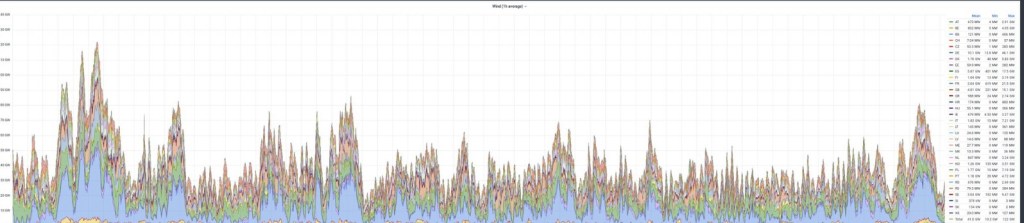
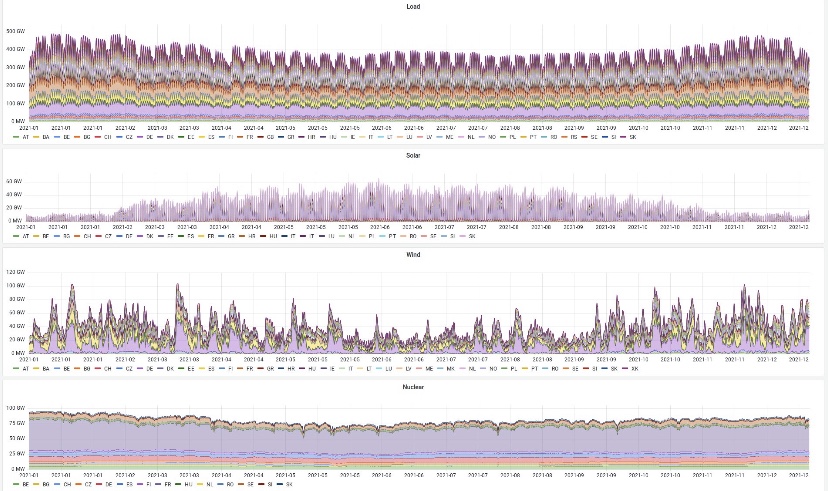
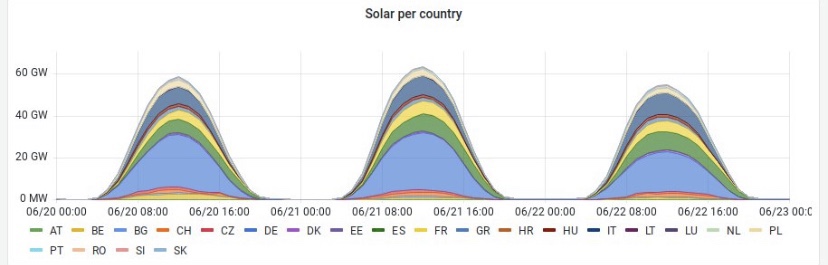
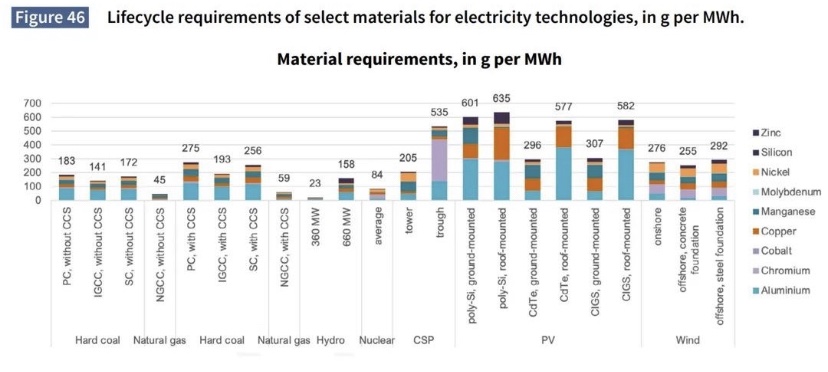




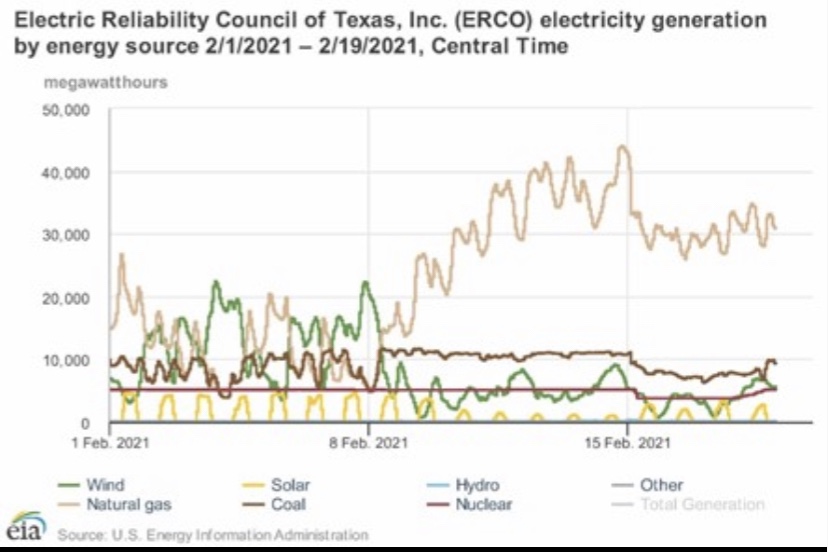

 Sacred Cow Chips