• About

Sacred Cow Chips

Sacred Cow Chips

Category Archives: Vaccinations

Vagaries of Vaccine Efficacy

23 Sunday Jan 2022

Posted by Nuetzel in Coronavirus, Vaccinations

≈ 1 Comment

Tags

Antibodies, aparachick, B-Cells, Breakthrough Infections, Conditional Probability, Covid-19, Great Barrington Declaration, Hospitalizations, Immune Escape, Immune Response, Infections, Jay Bhattacharya, Mutations, Natural Immunity, Omicron Variant, Public Health, Seroprevalence, T-Cells, Transmissability, Vaccine Efficacy, Vaccine Mandate, Virulence, Wuhan
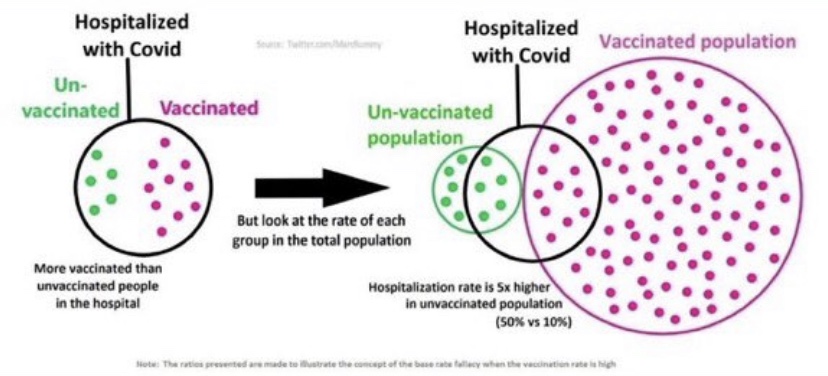
There should never have been any doubt that vaccines would not stop you from “catching” the coronavirus. Vaccines cannot stop virus particles from lodging in your nose or your eyeballs. The vaccines act to prime the immune system against the virus, but no immune response is instantaneous. In other words, if you aren’t first “infected”, antibodies don’t do anything! A virus may replicate for at least a brief time, and it is therefore possible for a vaccinated individual to carry the virus and even pass it along to others. The Omicron variant has proven that beyond a shadow of a doubt, though the wave appears to be peaking in most of the U.S. and has peaked already in a few states, mostly in the northeast.

I grant that the confusion over “catching” the virus stems from an imprecision in our way of speaking about contracting “bugs”. Usually we don’t say we “caught” one unless it actually makes us feel a bit off. We come into intimate contact with many more bugs than that. The effects are often so mild that we either don’t notice or brush it off without mention. But when it comes to pathogens like Covid and discussions of vaccine efficacy (VE), it’s obviously useful to remember the distinction between infections, on the one hand, and symptomatic infections on the other.

Cases Are the Wrong Focus

Unless calibrated by seroprevalence data, these studies are not based on proper estimates of infections in the population. Asymptomatic people are much less likely to get tested, and vaccinated individuals who are infected are either much more likely to be asymptomatic or the test might not detect the weak presence of a virus at all. VE based on detected infections is essentially meaningless unless testing is universal.

We are bombarded by studies (and analyses like the one here) alleging that VE should be judged on the reduction in infections among the vaccinated. The likelihood of a detected infection by vaccination status is simply the wrong way to measure of VE. It’s not so much the direction of bias in measured VE, however. The mere presence of cases among the vaccinated has been sufficient to inflame anti-vax sentiment, especially cases detected in mandatory tests at hospitals, where the infections are often incidental to the primary cause of admission.

The typical evolution of a novel virus is further reason to dismiss case numbers as a basis for measuring VE. Mutations create new variants in ways that usually promote the continuing survival of the lineage. Subsequent variants tend to be more transmissible and less deadly to their hosts. Thus, given a certain “true” degree of VE, so-called breakthrough infections among the vaccinated are even more likely to be asymptomatic and less likely to be tested and/or detected.

There is the matter of immune escape or evasion, however, which means that sometimes a virus mutates in ways that get around natural or vaccine-induced immune responses. While such a variant is likely to be less dangerous to unvaccinated hosts, more cases among the vaccinated will turn up. That should not be interpreted as a deterioration in VE, however, because detected infections are still the wrong measure. Instead, the fundamental meaning of VE is a lower virulence or severity of a variant in vaccinated individuals than in unvaccinated individuals.

Interestingly, to digress briefly, while immune escape has been discussed in connection with Omicron, that variant’s viral ancestors may have predated even the original Covid strain released from the Wuhan lab! It is a fascinating mystery.

Virulence

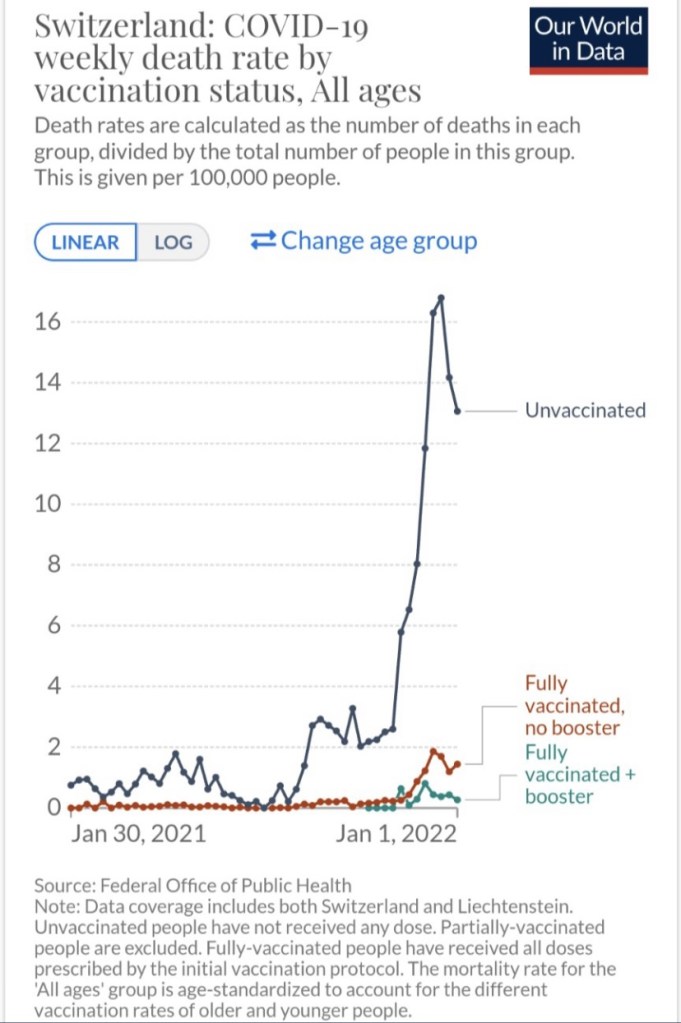
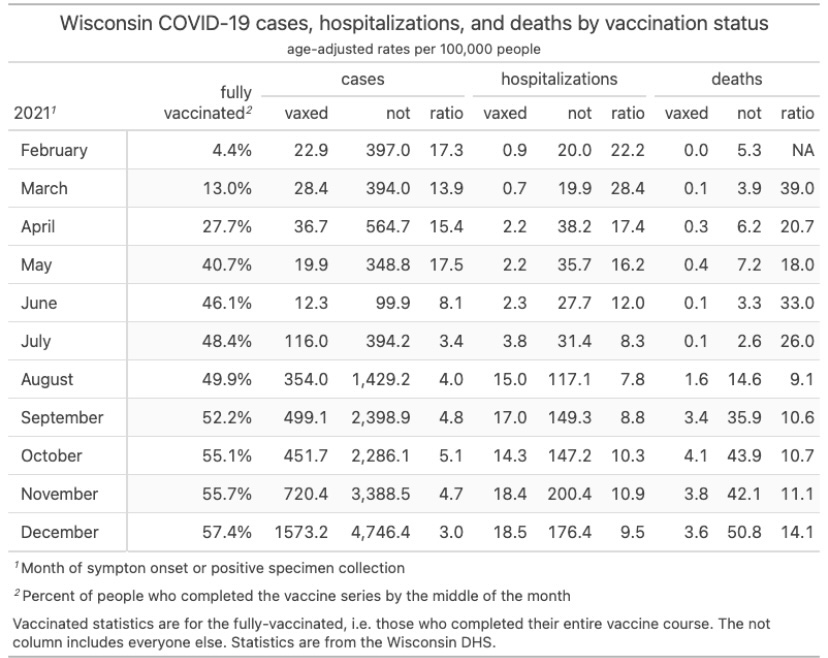
In fact, vaccines have reduced the virulence of Covid infections, and the evidence is overwhelming. See here for a CDC report. The chart below is Swiss data, followed by a “handy” report from Wisconsin:
From the standpoint of virulence, there are other kinds of misguided comparisons to watch out for: these involve vaxed and unvaxed patients with specific outcomes, like the left side of the graphic at the top of this post (credit to Twitter poster aparachick). This thread has an excellent discussion of the misconception inherent in the claim that vaccines haven’t reduced severity: the focus is on the wrong conditional probability (again, like the left side of the graphic). Getting that wrong can lead to highly inaccurate conclusions when the sizes of the two key groups, hospitalizations and vaccinated individuals in this case, are greatly different.

Bumbled Messaging

The misunderstandings about VE are just one of many terrible failures of public health authorities over the course of the pandemic. There seems to have been fundamental miscommunication by the vaccine manufacturers and many others in the epidemiological community about what vaccines can and cannot do.

Another example is the apparent effort to downplay the importance of natural immunity, which is far more protective than vaccines. This looks suspiciously like a willful effort to push the narrative that universal vaccination as the only valid course for ending the pandemic. Even worse, the omission was helpful to those attempting to justify the tyranny of vaccine mandates.

Waning Efficacy

It should be noted that the efficacy of vaccines will wane over time. This phenomenon has been measured by the presence of antibodies, which is a valid measure of one aspect of VE over time. However, immune responses are more deeply embedded in the human body: so-called T-cells carry messages alerting so-called B-cells to the presence of viral “invaders”. The B-cells then produce new antibodies specific to characteristics of the interloping pathogen. Thus, these cells can function as a kind of “memory” allowing the immune system to mount a fresh antibody defense to a repeat or similar infection. The reports on waning antibodies primarily in vaccinated but uninfected individuals do not and cannot account for this deeper process.

Conclusion

Vaccines don’t necessarily reduce the likelihood of infection or even the spread of the virus, but they absolutely limit virulence. That’s why Jay Bhattacharya, one of the authors of The Great Barrington Declaration, says the vaccines provide a private benefit, but only a limited public benefit. Yet too often we see VE measured by the number of infections detected, and vaccine mandates are still motivated in part by the idea that vaccines offer protection to others. They might do that only to the extent that infections are less severe and clear-up more quickly.
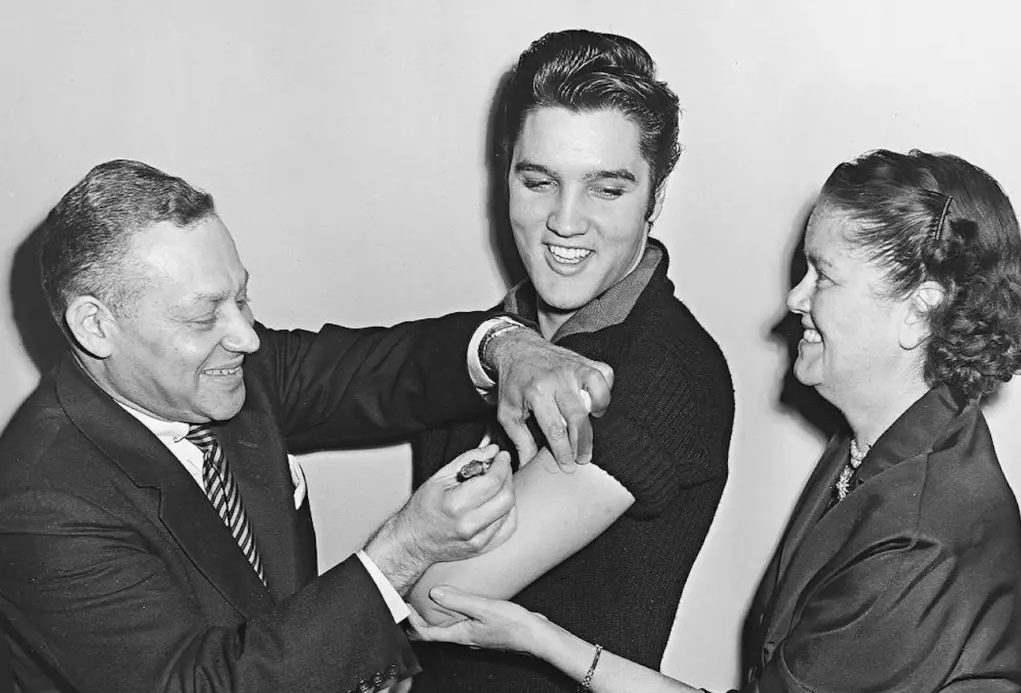
Three Justices Reveal Astonishing Covid Ignorance

10 Monday Jan 2022

Posted by Nuetzel in Coronavirus, Supreme Court, Vaccinations

≈ Leave a comment

Tags

Commerce Clause, Covid-19, Delta Variant, Ed Morrissey, Elena Kagan, Hospitalizations, Major Question Doctrine, Neil Gorsuch, Omicron Variant, OSHA, Phil Kerpen, Police Powers, Sonia Satamayor, Stephen Breyer, Tenth Amendment, Transmission, Twitter, Vaccine Mandate, Ventilators

Good God! What a remarkable display of ignorance we witnessed on Friday from three different Supreme Court justices. This trio dumped buckets-full of erroneous information about the current state of the COVID pandemic, all points that are easily falsifiable. The three are Sonia Satamayor, Stephen Breyer, and Elena Kagan. The flub-fest occurred during a proceeding on challenges to OSHA’s attempt to impose a nationwide vaccine mandate on private employers having more than 100 employees. I’m sorely tempted to say these jurists must know better, but perhaps they were simply parroting what they’ve heard from “reliable” media sources.

Here’s a list of the false assertions made by the three justices at the hearing, as compiled by Michael P. Sanger, along with my own brief comments:

  • 100,000 children in critical care and on ventilators (Sotomayor) — Not even close!
  • Vaccine mandate would prevent 100% of US cases (Breyer) — Lol!
  • 750 million people tested positive last Thursday (Breyer) — That’s more than twice the U.S. population… in one day! Haha! See here.
  • COVID deaths are at an all-time high (Sotomayor) — No, they are well under half of the all-time high, and many of those “announced” deaths are Delta deaths and deaths that occurred weeks to months ago.
  • It’s “beyond settled” that vaccines and masks are the best way to stop the spread (Kagan) — Say what?
  • COVID vaccines stop transmission (Kagan) — Is that why two fully vaccinated attorneys arguing the government’s case just tested positive?
  • Federal agencies can mandate vaccines using the police powers of the federal government (Sotomayor) — Incorrect, not at their fancy. Police powers with respect to health, safety and morals are generally reserved to the states by the Tenth Amendment. The Commerce Clause allows Congress to regulate these powers through federal agencies on “major questions”. Congress, however, has never acted on the question of vaccine mandates.
  • Hospitals are nearing capacity (Sotomayor) — Again, no! And see here.
  • Omicron is deadlier than Delta (Sotomayor) — Omicron may be more severe than the common cold in some cases, but all indications are that it has much lower severity than the Delta variant.
  • Hospitals are full of unvaccinated people (Breyer) — No, on two counts: 1) hospitals are not full, and 2) there are COVID hospitalizations among the vaccinated as well. Also see here.

I’ve covered most of these points on this blog at various times in the past, a few links to which are provided in the bullets above. As one wag said, it’s almost as if these justices read nothing but the New York Times, the paper that once assured the world that Joseph Stalin was actually a pretty decent fellow. With tongue firmly in cheek, Ed Morrissey asked whether Twitter would suspend Justice Sotomayor for spreading COVID misinformation.

There also followed a desperate attempt by left-wing journalists to convince themselves and their followers that Justice Neil Gorsuch had incorrectly claimed hundreds of thousands of people die from the flu every year. The actual Gorsuch quote in the transcript reads:

“Flu kills—I believe—hundreds, thousands of people every year.”

And that indeed is what can be heard clearly on the audio (short clip here). But in the fertile imaginations of the lefty commentariat, Gorsuch uttered an extra “of”. Gorsuch was clearly correcting himself mid-sentence. As noted by Phil Kerpen, the line of questioning had to do with the establishment of a limiting principle under which OSHA could conceivably have authority to impose a vaccine mandate. Naturally, Gorsuch intended to quote a number smaller than the count of COVID deaths.

Most of the justices appeared to lean against the OSHA mandate. We’ll probably get a ruling this week. However, the episode vividly illustrates the power of the leftist mainstream media and social media to manipulate beliefs, even beliefs held by individuals of formidable intellect. It also shows how fiercely people cling to falsehoods supporting their ideological mood affiliations.

In Praise of Voluntary Vaccination

31 Tuesday Aug 2021

Posted by Nuetzel in Coronavirus, Vaccinations

≈ Leave a comment

Tags

Anaphylaxis, Antivax Propaganda, Bell’s Palsy, Breakthrough Infections, Co-Morbidities, Covid-19, Delta Variant, Hulk Syndrome, Mask Mandates, Myocarditis/Pericarditis, Natural Immunity, Non-Pharmaceutical interventions, Vaccination, Vaccine Adverse Events Reporting System, Vaccine Hesitancy, Vaccine Mandates, Vaccine Passports, VAERS

I was vaccinated in March and early April and I’m damn glad to have done it. I have certain co-morbidities, and I’m of an age at which contracting COVID seems like a very bad idea, I felt a little run-down on the day after my second jab, but that was my only side effect, notwithstanding the unending litany of antivax hysterics to which we’ve all been subjected (even on certain sites to which I contribute).

Freedom Without Misinformation

In the context of the pandemic, it’s important to take a stand for liberty. In that spirit, I oppose the imposition of mandates requiring face masks and vaccinations against COVID. Furthermore, vaccination is at best unnecessary for those having acquired immunity from infection and for those at low risk, especially children. In fact, the younger, healthier, and fitter you are, the less important it is to be vaccinated.

It’s disappointing, however, to see completely innumerate people cite statistics purporting to show that COVID-19 vaccines are deadly or even particularly dangerous to those lacking contra-indications. Far worse, and far more idiotic, is to suggest that a conspiracy is afoot to kill large numbers of people via vaccination! I’m truly embarrassed to hear individuals who otherwise share my libertarian ideals say such irresponsible bullshit.

While the COVID vaccines seem to have more frequent side effects than earlier vaccines, they are not particularly risky. I’ll discuss the safety of the COVID vaccines in what follows. Even minuscule risks are unacceptable to some individuals, which of course is their right. However, others find these risks acceptable considering the far greater dangers posed by the early strains of COVID and even the more recent but less deadly Delta variant.

Unverified Adverse Events

The vaccine scaremongers often quote statistics from the CDC’s Vaccine Adverse Reporting Events System (VAERS). Here’s a disclaimer about the system from the CDC’s web site:

“Healthcare providers, vaccine manufacturers, and the public can submit reports to VAERS. While very important in monitoring vaccine safety, VAERS reports alone cannot be used to determine if a vaccine caused or contributed to an adverse event or illness. The reports may contain information that is incomplete, inaccurate, coincidental, or unverifiable.”

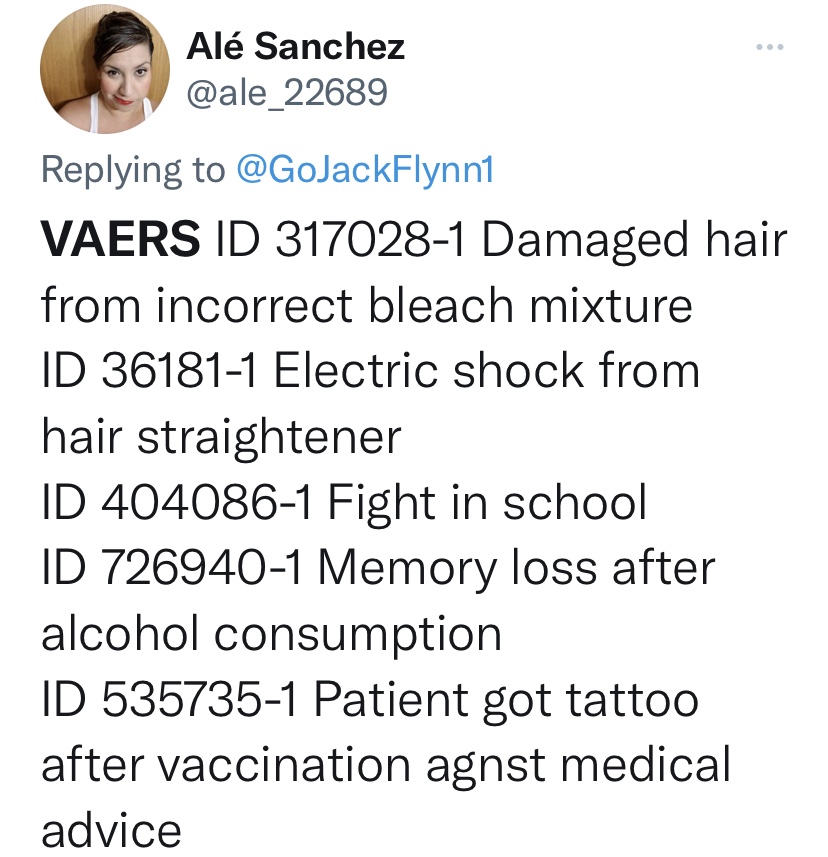
All kinds of reports are submitted alleging adverse events. For example, one observer cites the following reports from the system:

The link above refers to the following report as “Hulk Syndrome”, which was alleged to have been a side effect of the MMR vaccine:

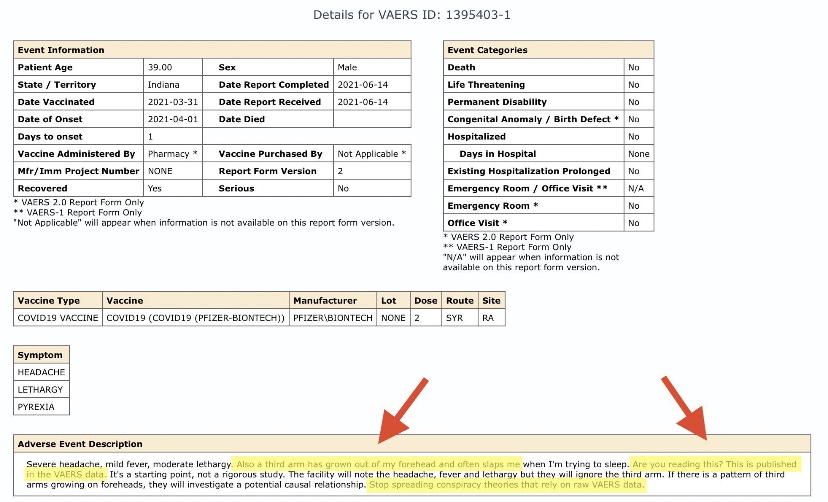
Finally, we have this report related to the Pfizer COVID vaccine:

In case that’s hard to read, it claims that a COVID vaccine caused a third arm to grow from the reporting individual’s forehead, which constantly slaps him or her while trying to sleep. This report is a case of wonderful sarcasm, but it was submitted to VAERS! The real lesson is that the VAERS system collects many unverified accounts of side effects, so the aggregate counts of adverse events are not reliable, even by the CDC’s admission.

A More Sober Risk Assessment

Therefore, the VAERS system has obvious limitations. But even stipulating the use of VAERS reports, the risks of the COVID vaccines are vanishingly low. For example, roughly 198 million people in the U.S. have received at least one dose of a vaccine. As of last week, there had been about 13,600 reports of post-vaccination death in VAERS. The raw number is very high, and I don’t wish to minimize the seriousness of those losses. Nevertheless, if those deaths were all attributable to vaccination, and that is a BIG “if”, the risk of death from vaccination to-date is just 0.007%. That is seven thousandth of 1%. 

To put those VAERS deaths into perspective, I should first add the caveat that I am highly skeptical of the COVID case and death statistics. Nevertheless, let’s take the official U.S. COVID death toll of 646,000 at face value. I’m also treating reported vaccine deaths from VAERS at face value, which is a huge stretch. So, we have COVID mortality of 0.2% of the U.S. population, which is more than 28 times the risk of death from vaccination. I grant you the risk posed by COVID is lower going forward than in the past, which is due both to vaccinations and the declining virulence of the virus itself.

There are a range of vaccine side effects reported in VAERS, from pain near the injection site to such alarming conditions as anaphylaxis, Bell’s Palsy, and myocarditis/pericarditis. VAERS would attribute over 54,000 hospitalizations to the vaccines, a rate of 3 hundredths of one percent of those receiving at least one dose. Like COVID deaths, the number of COVID hospitalizations is likely inflated. Still, at 1.9% of the U.S. population, the risk of hospitalization from COVID is 68 times that of hospitalization from vaccine side effects reported in VAERS.

A large share of VAERS reports, covering all adverse events, are from middle aged individuals. It’s unclear how concentrated that reporting is among those with co-morbidities, including obesity, but I suspect they are heavily represented.

Coincidental Events

Perhaps less obvious is that many sincere reports to VAERS from both the public and health care providers represent coincidental events. A number of states have given heavy vaccine priority to the elderly and those with co-morbidities, and demand from those groups has been disproportionate in any case. Most of the VAERS-reported deaths also happen to be among the elderly and co-morbids.

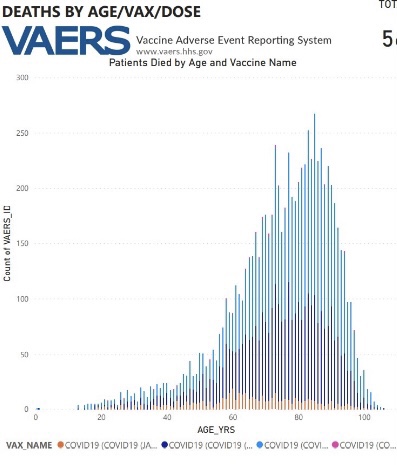
For example, more than 38% of VAERS death reports come from the 80+ age cohort, accounting for roughly 5,200 deaths. That’s four hundredths of one percent of the 12.9 million people of ages 80+ in the U.S., most of whom have been vaccinated. Well over 1.2 million 80+ year-olds can be expected to die each year under normal circumstances. That a few would occur within days, weeks, or months of a vaccination should be expected. Furthermore, it would not be surprising, given the controversy surrounding vaccines and the suggestive power of antivax propaganda, for families or some caregivers to imagine a connection between vaccination and subsequent death. File a report! Who knows? Perhaps a class action award might be in it someday.

This is not to deny that a small number of individuals could be in such weakened states, or perhaps have unknown vulnerabilities, that the vaccines have catastrophic consequences. No doubt there are a few deaths precipitated by COVID vaccines in combination with other conditions. However, a large share of the deaths reported to VAERS are likely to have been coincidental. Likewise, people develop conditions all the time… sore joints, rashes, coughs, and headaches. It runs the gamut. Some of the VAERS reports of a less serious nature are undoubtedly coincidental, and perhaps some are due to the vivid imaginations of a subset of those having consented to the vaccine with great reluctance.

What Kills and What Doesn’t

Everything comes with a risk, and tradeoffs between risks must be balanced. The COVID pandemic was deadly, and I’ll be the first to admit that I underestimated its potential to kill. However, its deadliness was magnified by the non-pharmaceutical interventions imposed in many jurisdictions. Lockdowns and closures took a massive toll on the health of the population, cutting short many lives due to economic and personal despair as well as deferred and cancelled health care. While those interventions were deadly, I do not believe that kind of harm was intended. I do suspect the concomitant assault on liberty was welcomed in certain circles.

There are certainly downsides to the COVID vaccines. There have been more side effects and deaths than have ever been reported relative to earlier vaccines. It’s also a shame that public health authorities refuse to recognize the superior effects of natural immunity and the heightened risk of vaccinations to those with prior infections. And it’s a travesty that “vaccine passports” are now being demanded for various forms of travel, entertainment, and entry to some places of business. Despite these issues, it’s blatantly false to assert that the vaccines are generally harmful. Many more of the remaining vaccine-hesitant can benefit from vaccination. Let’s advocate for better assessments of risk by age and co-morbidity, and simply avoid the vaccines if that is your preference.

Addendum: I just came across this nice piece entitled “A Statistical Analysis of COVID-19 Breakthrough Infections and Deaths“. I thought I should share the link in case anyone supposes that so-called breakthrough infections somehow invalidate some of the comparisons I made above. This chart is particularly revealing:

Vax Results, Biden Boosters, Delta, and the Mask Charade

19 Thursday Aug 2021

Posted by Nuetzel in Coronavirus, Public Health, Uncategorized, Vaccinations

≈ Leave a comment

Tags

Aerosols, Antibody Response, Biden Administration, Case Counts, City Journal, Covid-19, Delta Variant, Follow the Science, Hope-Simpson, Hospitalizations, Israeli Vaccinations, Jeffrey H. Anderson, Jeffrey Morris, Mask Mandates, Moderna, mRNA Vaccines, Pfizer, Randomized Control Trials, Reproduction Rates, The American Reveille, Transmissability, Vaccinations, Vaccine Efficacy

If this post has an overarching theme, it might be “just relax”! That goes especially for those inclined to prescribe behavioral rules for others. People can assess risks for themselves, though it helps when empirical information is presented without bias. With that brief diatribe, here are a few follow-ups on COVID vaccines, the Delta wave, and the ongoing “mask charade”.

Israeli Vax Protection

Here is Jeffrey Morris’ very good exposition as to why the Israeli reports of COVID vaccine inefficacy are false. First, he shows the kind of raw data we’ve been hearing about for weeks: almost 60% of the country’s severe cases are in vaccinated individuals. This is the origin of the claim that the vaccines don’t work. 

Next, Morris notes that 80% of the Israeli population 12 years and older are vaccinated (predominantly if not exclusively with the Pfizer vaccine). This causes a distortion that can be controlled by normalizing the case counts relative to the total populations of the vaccinated and unvaccinated subgroups. Doing so shows that the unvaccinated are 3.1 times more likely to have contracted a severe case than the vaccinated. Said a different way, this shows that the vaccines are 67.5% effective in preventing severe disease. But that’s not the full story!

Morris goes on to show case rates in different age strata. For those older than 50 (over 90% of whom are vaccinated and who have more co-morbidities), there are 23.6 times more severe cases among the unvaccinated than the vaccinated. That yields an efficacy rate of 85.2%. Vaccine efficacy is even better in the younger age group: 91.8%. 

These statistics pertain to the Delta variant. However, it’s true they are lower than the 95% efficacy rate achieved in the Pfizer trials. Is Pfizer’s efficacy beginning to fade? That’s possible, but this is just one set of results and declining efficacy has not been proven. Israel’s vaccination program got off to a fast start, so the vaccinated population has had more time for efficacy to decay than in most countries. And as I discussed in an earlier post, there are reasons to think that the vaccines are still highly protective after a minimum of seven months.

Biden Boosters

IIn the meantime, the Biden Administration has recommended that booster shots be delivered eight months after original vaccinations. There is empirical evidence that boosters of similar mRNA vaccine (Pfizer and Moderna) might not be a sound approach, both due to side effects and because additional doses might reduce the “breadth” of the antibody response. We’ll soon know whether the first two jabs are effective after eight months, and my bet is that will be the case.

Is Delta Cresting?

Meanwhile, the course of this summer’s Delta wave appears to be turning a corner. The surge in cases has a seasonal component, mimicking the summer 2020 wave as well as the typical Hope-Simpson pattern, in which large viral waves peak in mid-winter but more muted waves occur in low- to mid-latitudes during the summer months.

Therefore, we might expect to see a late-summer decline in new cases. There are now 21 states with COVID estimated reproduction rates less than one (this might change by the time you see the charts at the link). In other words, each new infected person transmits to an average of less than one other person, which shows that case growth may be near or beyond a peak. Another 16 states have reproduction rates approaching or very close to one. This is promising.

Maskholes

Finally, I’m frustrated as a resident of a county where certain government officials are bound and determined to impose a mask mandate, though they have been slowed by a court challenge. The “science” does NOT support such a measure: masks have not been shown to mitigate the spread of the virus, and they cannot stop penetration of aerosols in either direction. This recent article in City Journal by Jeffrey H. Anderson is perhaps the most thorough treatment I’ve seen on the effectiveness of masks. Anderson makes this remark about the scientific case made by mask proponents:

“Mask supporters often claim that we have no choice but to rely on observational studies instead of RCTs [randomized control trials], because RCTs cannot tell us whether masks work or not. But what they really mean is that they don’t like what the RCTs show.”

Oh, how well I remember the “follow-the-science” crowd insisting last year that only RCTs could be trusted when it came to evaluating certain COVID treatments. In any case, the observational studies on masks are quite mixed and by no means offer unequivocal support for masking. 

A further consideration is that masks can act to convert droplets to aerosols, which are highly efficient vehicles of transmission. The mask debate is even more absurd when it comes to school children, who are at almost zero risk of severe COVID infection (also see here), and for whom masks are highly prone to cause developmental complications.

Closing Thoughts

The vaccines are still effective. Data purporting to show otherwise fails to account for the most obvious of confounding influences: vaccination rates and age effects. In fact, the Biden Administration has made a rather arbitrary decision about the durability of vaccine effects by recommending booster shots after eight months. The highly transmissible Delta variant has struck quickly but the wave now shows signs of cresting, though that is no guarantee for the fall and winter season. However, Delta cases have been much less severe on average than earlier variants. Masks did nothing to protect us from those waves, and they won’t protect us now. I, for one, won’t wear one if I can avoid it.

Effective Immunity Means IF YOU CATCH IT, You Won’t Get Sick

12 Thursday Aug 2021

Posted by Nuetzel in Coronavirus, Uncategorized, Vaccinations

≈ 5 Comments

Tags

Acquired Immunity, Aerosols, Alpha Variant, Antibodies, Base Rate Bias, Breakthrough Infections, Covid-19, Delta Variant, Immunity, Issues & Insights, Kappa Variant, Kelly Brown, Lambda Variant, Larry Brilliant, Mayo Clinic, Our World In Data, PCR Tests, Phil Kerpen, T-Cell Immunity, Vaccinations, WHO

Listen very carefully: immunity does NOT mean you won’t get COVID, though an infection is less likely. Immunity simply means your immune system will be capable of dealing with an infection successfully. This is true whether the immunity is a product of vaccination or a prior infection. Immunity means you are unlikely to have worse than mild symptoms, and you are very unlikely to be hospitalized. (My disclaimer: I am opposed to vaccine mandates, but vaccination is a good idea if you’ve never been infected.)

I emphasize this because the recent growth in case numbers has prompted all sorts of nonsensical reactions. People say, “See? The vaccines don’t work!” That is a brazenly stupid response to the facts. Even more dimwitted are claims that the vaccines are killing everyone! Yes, there are usually side effects, and the jabs carry a risk of serious complications, but it is minuscule.

Vaccine Efficacy

Right out of the gate, we must recognize that our PCR testing protocol is far too sensitive to viral remnants, so the current surge in cases is probably exaggerated by false positives, as was true last year. Second, if a large share of the population is vaccinated, then vaccinated individuals will almost certainly account for a large share of infected individuals even if they have a lower likelihood of being infected. It’s simple math, as this explanation of base rate bias shows. In fact, according to the article at the link:

“… vaccination confers an eightfold reduction in the risk of getting infected in the first place; a 25-fold reduction in risk of getting hospitalized; and a 25-fold reduction in the risk for death.”

The upshot is that if you are vaccinated, or if you have acquired immunity from previous exposure, or if you have pre-existing immunity from contact with an earlier COVID strain, you can still “catch” the virus AND you can still spread it. Both are less likely, and you don’t have as much to worry about for your own health as those having no immunity.

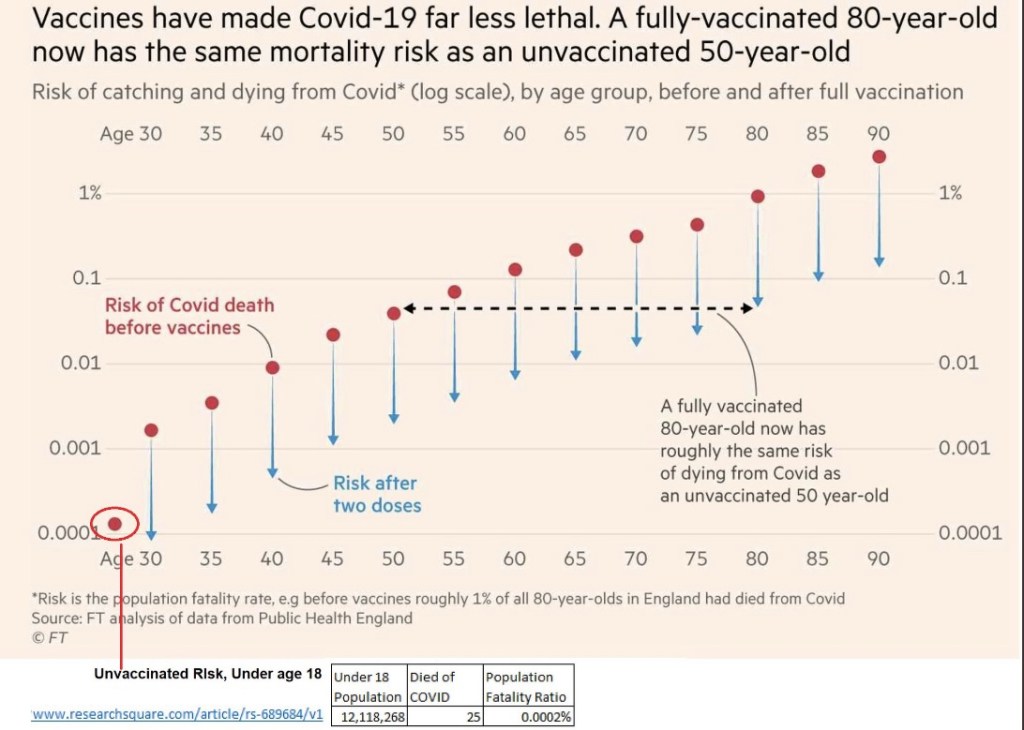
As for overall vaccine efficacy in preventing death, here are numbers from the UK, courtesy of Phil Kerpen:

The vertical axis is a log scale, so each successive gridline is a fatality rate 100x as large as the one below it. Obviously, as the chart title asserts, the “vaccines have made COVID-19 far less lethal.” Also, at the bottom, see the information on fatality among children under age 18: it is almost zero! This reveals the absurdity of claims that children must be masked for schools to reopen! In any case, masks offer little protection to anyone against a virus that spreads via fine aerosols. Nevertheless, many school officials are pushing unnecessary but politically expedient masking policies

Delta

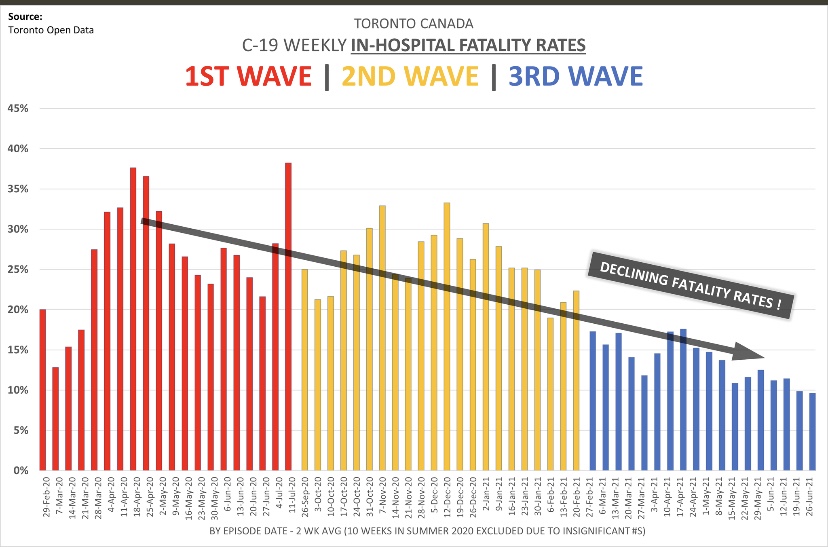
Ah, but we have the so-called Delta variant, which is now dominant and said to be far more transmissible than earlier variants. Yet the Delta variant is not as dangerous as earlier strains, as this UK report demonstrates. Delta had a case fatality rate among unvaccinated individuals that was at least 40% less than the so-called Alpha variant. This is a typical pattern of virus mutation: the virus becomes less dangerous because it wants to survive, and it can only survive in the long run by NOT killing its hosts! The decline in lethality is roughly demonstrated by Kelly Brown with data on in-hospital fatality rates from Toronto, Canada:

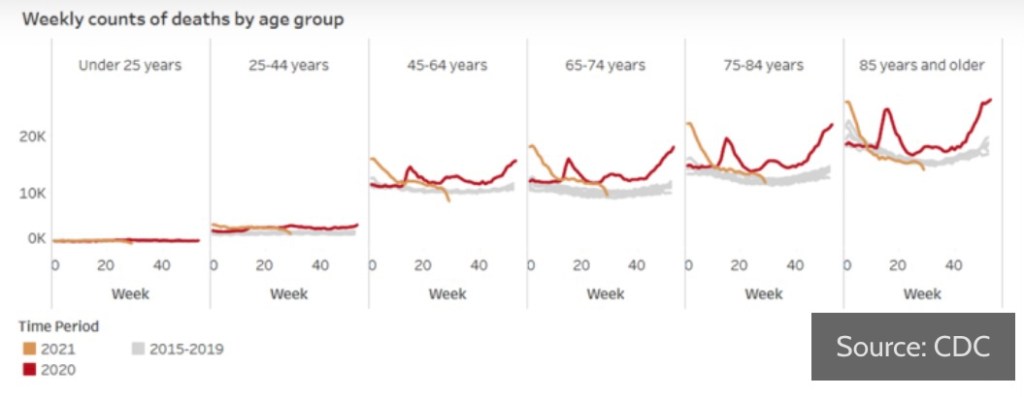
The case numbers in the U.S. have been climbing over the past few weeks, but as epidemiologist Larry Brilliant of WHO said recently, Delta spreads so fast it essentially “runs out of candidates.” In other words, the current surge is likely to end quickly. This article in Issues & Insights shows the more benign nature of recent infections. I think a few of their charts contain biases, but the one below on all-cause mortality by age group is convincing:

The next chart from Our World In Data shows the infection fatality rate continuing its decline in the U.S. The great majority of recent infections have been of the Delta variant, which also was much less virulent in the UK than earlier variants.

Furthermore, it turns out that the vaccines are roughly as effective against Delta and other new variants as against earlier strains. And the newest “scary” variants, Kappa and Lambda, do not appear to be making strong inroads in the U.S. 

Fading Efficacy?

There have been questions about whether the effectiveness of the vaccines is waning, which is behind much of the hand-wringing about booster shots. For example, Israeli health officials are insisting that the effectiveness of vaccines is “fading”, though I’ll be surprised if there isn’t some sort of confounding influence on the data they’ve cited, such as age and co-morbidities. 

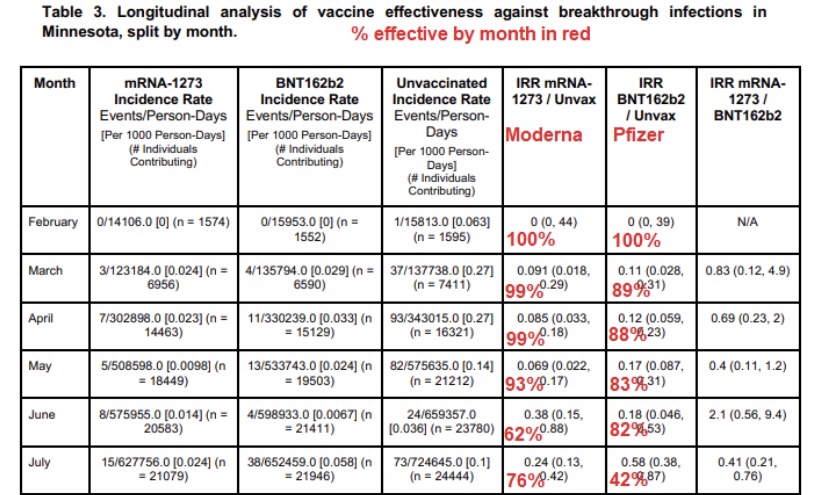
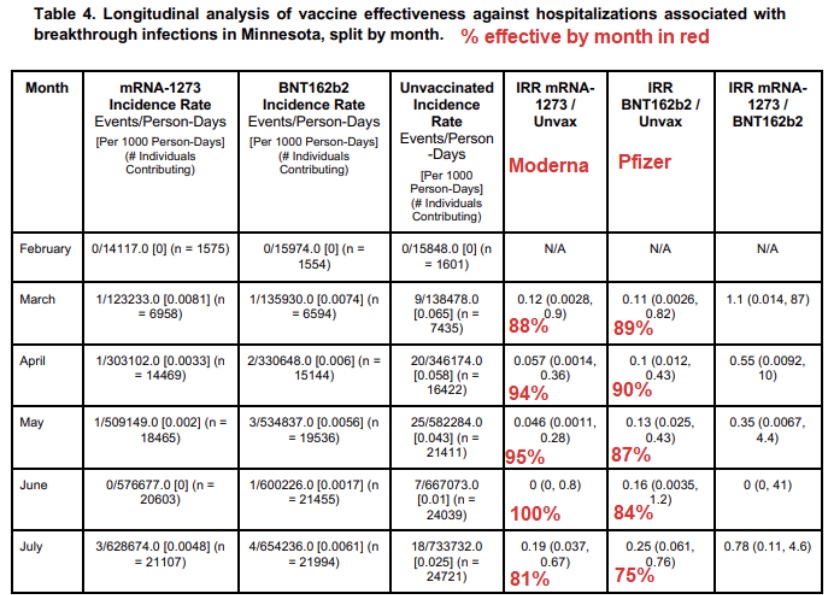
Here is a new Mayo Clinic study of so-called “breakthrough” cases in the vaccinated population in Minnesota. It essentially shows that the rate of case diagnosis among the vaccinated rose between February and July of this year (first table below, courtesy of Phil Kerpen). However, the vaccines appear only marginally less effective against hospitalization than in March (second table below).

The bulk of the vaccinated population in the U.S. received their jabs three to six months ago, and according to this report, evidence of antibodies remains strong after seven months. In addition, T-cell immunity may continue for years, as it does for those having acquired immunity from an earlier infection. 

Breakthroughs

It’s common to hear misleading reports of high numbers of “breakthrough” cases. Not only will these cases be less menacing, but the reports often exaggerate their prevalence by taking the numbers out of context. Relative to the size of the vaccinated population, breakthrough cases are about where we’d expect based on the original estimates of vaccine efficacy. This report on Massachusetts breakthrough hospitalizations and deaths confirms that the most vulnerable among the vaxed population are the same as those most vulnerable in the unvaxed population: elderly individuals with comorbidities. But even that subset is at lower risk post-vaccination. It just so happens that the elderly are more likely to have been vaccinated in the first place, which implies that the vaccinated should be over-represented in the case population.

Conclusion

The COVID-19 vaccines do what they are supposed to do: reduce the dangers associated with infection. The vaccines remain very effective in reducing the severity of infection. However, they cannot and were not engineered to prevent infection. They also pose risks, but individuals should be able to rationally assess the tradeoffs without coercion. Poor messaging from public health authorities and the crazy distortions promoted in some circles does nothing to promote public health. Furthermore, there is every reason to believe that the current case surge in Delta infections will be short-lived and have less deadly consequences than earlier variants.

Bottom-Line Booster Shots

17 Saturday Apr 2021

Posted by Nuetzel in Coronavirus, Public Health, Vaccinations

≈ Leave a comment

Tags

1918 Influenza Pandemic, Antibodies, B-Cells, Booster Shots, Coronavirus, COVID Vaccines, Immunity, Killer T Cells, Moderna, Monica Ghandi M.D., Non-Pharmaceutical interventions, Pfizer, Precautionary Principle, SARS Virus, T-Cells, Vaccine Passports

The barrage of precautionary COVID missives continues, and with a familiar “follow-the-money” twist. The CEOs of both Pfizer and Moderna say that booster shots are likely to be needed a year after initial administration of their COVID vaccines, and almost certainly every year thereafter. Of course, this message is for those who felt compelled to be vaccinated in the first place, whether out of concern for their own health, high-minded community spirit, fear of social ostracism, or fear of possible vaccine passport requirements. It’s probably also intended for those who acquired immunity through infection.

There are reasons to believe, however, that such a booster is unnecessary. This case was made a few days ago in a series of tweets by Dr. Monica Ghandi, an infectious disease expert and Professor of Medicine at UCSF. Ghandi says immunity from an infection or a vaccine can be expected to last much longer than a year, despite the diminished presence of antibodies. That’s because the immune system relies on other mechanisms to signal and produce new antibodies against specific pathogens when called upon.

So-called B cells actually produce antibodies. Another cell-type known as T cells act to signal or instruct B cells to do so, but so-called “killer” T cells destroy cells in the body that have already been infected. Dr. Ghandi’s point is that both B and T cells tend to have very long memories and are capable of conferring immunity for many years.

While our experience with COVID-19 is short, long-lasting immunity has been proven against measles for up to 34 years, and for other SARS-type viruses for at least 17 years. Dr. Ghandi links to research showing that survivors of the 1918 flu pandemic were found to have active B cells against the virus 90 years later! The COVID vaccines cause the body to produce both B and T cells, and the T cells are protective against COVID variants.

A last point made by Dr. Ghandi is intended to dispel doubts some might harbor due to the relatively ineffectual nature of annual flu vaccines. The flu mutates much more aggressively than COVID, so the design of each year’s flu vaccine involves a limited and uncertain choice among recent strains. COVID mutates, but in a more stable way, so that vaccines and adaptive immunity tend to retain their effectiveness.

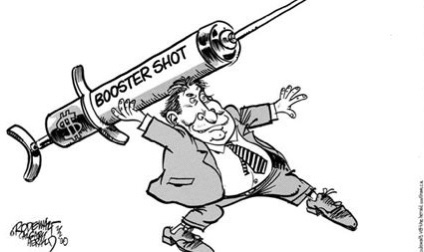
While I’m sure the pharmaceutical companies believe in the benefits of their vaccines, there are undoubtedly other motives behind the push for boosters. There is money to be made, and much of that money will be paid by governments eager to jump on the precautionary bandwagon, and who are likely to be very insensitive to price. In fact, the vaccine producers might well have encouraged those pushing vaccine passports to include annual booster requirements. This would be another unwelcome imposition. The very discussion of boosters gives government officials more running room for other draconian but ultimately ineffective mandates on behavior. And the booster recommendation gives additional cover to public health “experts” who refuse to acknowledge real tradeoffs between the stringency of non-pharmaceutical interventions, economic well being, and other dimensions of public health.

COVID Now: Turning Points, Vaccines, and Mutations

20 Wednesday Jan 2021

Posted by Nuetzel in Coronavirus, Pandemic, Vaccinations

≈ Leave a comment

Tags

Alex Tabarrok, Case Fatality Rate, CDC, CLI, Convalescent Plasma, Covid-19, COVID-Like Illness, Date of Death, Herd Immunity, Herd Immunity Threshold, Infection Fatality Rate, Ivermectin, Johns Hopkins, Monoclonal Antibodies, Phil Kerpen, Provisional Deaths, South African Strain, UK Strain, Vaccinations, Youyang Gu

The pandemic outlook remains mixed, primarily due to the slow rollout of the vaccines and the appearance of new strains of the virus. Nationwide, cases and COVID deaths rose through December. Now, however, there are several good reasons for optimism.

The fall wave of the coronavirus receded in many states beginning in November, but the wave started a bit later in the eastern states, in the southern tier of states, and in California. It appears to have crested in many of those states in January, even after a post-holiday bump in new diagnoses. As of today, Johns Hopkins reports only two states with increasing trends of new cases over the past two weeks: NH and VA, while CT and WY were flat. States shaded darker green have had larger declines in new cases.

A more detailed look at WY shows something like a blip in January after the large decline that began in November. Trends in new cases have clearly improved across the nation, though somewhat later than hoped.

While the fall wave has taken many lives, we can take some solace in the continuing decline in the case fatality rate. (This is not the same as the infection mortality rate (IFR), which has also declined. The IFR is much lower, but more difficult to measure). The CFR fell by more than half from its level in the late summer. In other words, without that decline, deaths today would be running twice as high.

Some of the CFR’s decline was surely due to higher testing levels. However, better treatments are reducing the length of hospital stays for many patients, as well as ICU admittance and deaths relative to cases. Monoclonal antibodies and convalescent plasma have been effective for many patients, and now Ivermectin is showing great promise as a treatment, with a 75% reduction in mortality according to the meta-analysis at the link.

Reported or “announced” deaths remain high, but those reports are not an accurate guide to the level or trend in actual deaths as they occur. The CDC’s provisional death reports give the count of deaths by date of death (DOD), shown below. The most recent three to four weeks are very incomplete, but it appears that actual deaths by DOD may have peaked as early as mid-December, as I speculated they might last month. Another noteworthy point: by the totals we have thus far, actual deaths peaked at about 17,000 a week, or just over 2,400 a day. This is substantially less than the “announced” deaths of 4,000 or more a day we keep hearing. The key distinction is that those announced deaths were actually spread out over many prior weeks.

A useful leading indicator of actual deaths has been the percentage of ER patients presenting COVID-like illness (CLI). The purple dots in the next CDC chart show a pronounced decline in CLI over the past three weeks. This series has been subject to revisions, which makes it much less trustworthy. A less striking decline in late November subsequently disappeared. At the time, however, it seemed to foretell a decline in actual deaths by mid-December. That might actually have been the case. We shall see, but if so, it’s possible that better therapeutics are causing the apparent CLI-deaths linkage to break down.

A more recent concern is the appearance of several new virus strains around the world, particularly in the UK and South Africa. The UK strain has reached other countries and is now said to have made appearances in the U.S. The bad news is that these strains seem to be more highly transmissible. In fact, there are some predictions that they’ll account for 30% of new cases by the beginning of March. The South African strain is said to be fairly resistant to antibodies from prior infections. Thus, there is a strong possibility that these cases will be additive, and they might or might not speedily replace the established strains. The good news is that the new strains do not appear to be more lethal. The vaccines are expected to be effective against the UK strain. It’s not yet clear whether new versions of the vaccines will be required against the South African strain by next fall.

Vaccinations have been underway now for just over a month. I had hoped that by now they’d start to make a dent in the death counts, and maybe they have, but the truth is the rollout has been frustratingly slow. The first two weeks were awful, but as of today, the number of doses administered was over 14 million, or almost 46% of the doses that have been delivered. Believe it or not, that’s an huge improvement!

About 4.3% of the population had received at least one dose as of today, according to the CDC. I have no doubt that heavier reliance on the private sector will speed the “jab rate”, but rollouts in many states have been a study in ineptitude. Even worse, now a month after vaccinations began, the most vulnerable segment of the population, the elderly, has received far less than half of the doses in most states. The following table is from Phil Kerpen. Not all states are reporting vaccinations by age group, which might indicate a failure to prioritize those at the greatest risk.

It might not be fair to draw strong conclusions, but it appears WV, FL, IN, AK, and MS are performing well relative to other states in getting doses to those most at risk.

Even with the recent increase in volume, the U.S. is running far behind the usual pace of annual flu vaccinations. Each fall, those average about 50 million doses administered per month, according to Alex Tabarrok. He quotes Youyang Gu, an AI forecaster with a pretty good track record thus far, on the prospects for herd immunity and an end to the pandemic. However, he uses the term “herd immunity” as the ending share of post-infected plus vaccinated individuals in the population, which is different than the herd immunity threshold at which new cases begin to decline. Nevertheless, in Tabarrok’s words:

“… the United States will have reached herd immunity by July, with about half of the immunity coming from vaccinations and half from infections. Long before we reach herd immunity, however, the infection and death rates will fall. Gu is projecting that by March infections will be half what they are now and by May about one-tenth the current rate. The drop will catch people by surprise just like the increase. We are not good at exponentials. The economy will boom in Q2 as infections decline.”

That sounds good, but Tabarrok also quotes a CDC projection of another 100,000 deaths by February. That’s on top of the provisional death count of 340,000 thus far, which runs 3-4 weeks behind. If we have six weeks of provisionals to go before February, with actual deaths at their peak of about 17,000 per week, we’ll get to 100,000 more actual deaths by then. For what it’s worth, I think that’s pessimistic. The favorable turns already seen in cases and actual deaths, which I believe are likely to persist, should hold fatalities below that level, and the vaccinations we’ve seen thus far will help somewhat.

Let’s Do “First Doses First”

06 Wednesday Jan 2021

Posted by Nuetzel in Coronavirus, Vaccinations

≈ Leave a comment

Tags

Alex Tabarrok, Covid-19, FDA, First Doses First, Herd Immunity, Herd Immunity Threshold, Moderna, Operation Warp Speed, Pfizer, Phil Kerpen, Vaccines

Both the Pfizer and the Moderna COVID vaccines require two doses, with an effectiveness of about 95%. But a single dose may have an efficacy of about 80% that is likely to last over a number of weeks without a second dose. There are varying estimates of short-term efficacy, and but see here, here, and here. The chart above is for the Pfizer vaccine (red line) relative to a control group over days since the first dose, and the efficacy grows over time relative to the control before a presumed decay ever sets in.

Unfortunately, doses are in short supply, and getting doses administered has proven to be much more difficult than expected. “First Doses First” (FDF) is a name for a vaccination strategy focusing on delivering only first doses until a sufficient number of the highly vulnerable receive one. After that, second doses can be administered, perhaps within some maximum time internal such as 8 – 12 weeks. FDF doubles the number of individuals who can be vaccinated in the short-term with a given supply of vaccine. Today, Phil Kerpen posted this update on doses delivered and administered thus far:

Dosing has caught up a little, but it’s still lagging way behind deliveries.

As Alex Tabbarok points out, FDF is superior strategy because every two doses create an average of 1.6 immune individuals (2 x 0.8) instead of just 0.95 immune individuals. His example involves a population of 300 million, a required herd immunity level of two-thirds (higher than a herd immunity threshold), and an ability to administer 100 million doses per month. Under a FDF regime, you’ve reached Tabarrok’s “herd immunity” level in two months. (This is not to imply that vaccination is the only contributor to herd immunity… far from it!) Under the two-dose regime, you only get halfway there in that time. So FDF means fewer cases, fewer deaths, shorter suspensions of individual liberty, and a faster economic recovery.

An alternative that doubles the number of doses available is Moderna’s half-dose plan. Apparently, their tests indicate that half doses are just as effective as full doses, and they are said to be in discussions with the FDA and Operation Warp Speed to implement the half-dose plan. But the disadvantage of the half-dose plan relative to FDF is that the former does not help to overcome the slow speed with which doses are being administered.

Vaccine supplies are bound to increase dramatically in coming months, and the process of dosing will no doubt accelerate as well. However, for the next month or two, FDF is too sensible to ignore. While I am not a fan of all British COVID policies, their vaccination authorities have recommended an FDF approach as well as allowing different vaccines for first and second doses.

Fauci Flubs Herd Immunity

03 Sunday Jan 2021

Posted by Nuetzel in Coronavirus, Herd Immunity, Public Health, Vaccinations

≈ 2 Comments

Tags

Acquired Immunity, Anthony Fauci, Covid-19, Herd Immunity, Hererogeneity, HIT, Masks, Max Planck Institute, Measles, MMR Vaccine, R0, Reproduction Rate, T-Cells. Pre-Immunity, Tyler Cowen, Vaccinations. Fragile Immunity

Anthony Fauci has repeatedly increased his estimate of how much of the population must be vaccinated to achieve what he calls herd immunity, and he did it again in late December. This series of changes, and other mixed messages he’s delivered in the past, reveal Fauci to be a “public servant” who feels no obligation to level with the public. Instead, he crafts messages based on what he believes the public will accept, or on his sense of how the public must be manipulated. For example, by his own admission, his estimates of herd immunity have been sensitive to polling data! He reasoned that if more people reported a willingness to take a vaccine, he’d have flexibility to increase his “public” estimate of the percentage that must be vaccinated for herd immunity. Even worse, Fauci appears to lack a solid understanding of the very concept of herd immunity.

Manipulation

There is so much wrong with his reasoning on this point that it’s hard to know where to start. In the first place, why in the world would anyone think that if more people willingly vaccinate it would imply that even more must vaccinate? And if he felt that way all along it demonstrates an earlier willingness to be dishonest with the public. Of course, there was nothing scientific about it: the series of estimates was purely manipulative. It’s almost painful to consider the sort of public servant who’d engage in such mental machinations.

Immunity Is Multi-Faceted

Second, Fauci seemingly wants to convince us that herd immunity is solely dependent on vaccination. Far from it, and I’m sure he knows that, so perhaps this too was manipulative. Fauci intimates that COVID herd immunity must look something like herd immunity to the measles, which is laughable. Measles is a viral infection primarily in children, among whom there is little if any pre-immunity. The measles vaccine (MMR) is administered to young children along with occasional boosters for some individuals. Believe it or not, Fauci claims that he rationalized a requirement of 85% vaccination for COVID by discounting a 90% requirement for the measles! Really???

In fact, there is substantial acquired pre-immunity to COVID. A meaningful share of the population has long-memory, cross-reactive T-cells from earlier exposure to coronaviruses such as the common cold. Estimates range from 10% to as much as 50%. So if we stick with Fauci’s 85% herd immunity “guesstimate”, 25% pre-immunity implies that vaccinating only 60% of the population would get us to Fauci’s herd immunity goal. (Two qualifications: 1) the vaccines aren’t 100% effective, so it would take more than 60% vaccinated to offset the failure rate; 2) the pre-immune might not be identifiable at low cost, so there might be significant overlap between the pre-immune and those vaccinated.)

Conceptual Confusion

Vaccinations approaching 85% would be an extremely ambitious goal, especially if it is recommended annually or semi-annually. It would be virtually impossible without coercion. While more than 91% of children are vaccinated for measles in the U.S., it is not annual. Thus, measles does not offer an appropriate model for thinking about herd immunity to COVID. Less than half of adults get a flu shot each year, and somewhat more children.

Fauci’s reference to 85% – 90% total immunity is different from the concept of the herd immunity threshold (HIT) in standard epidemiological models. The HIT, often placed in the range of 60% – 70%, is the point at which new infections begin to decline. More infections occur above the HIT but at a diminishing rate. In the end, the total share of individuals who become immune due to exposure, pre-immunity or vaccination will be greater than the HIT. The point is, however, that reaching the HIT is a sufficient condition for cases to taper and an end to a contagion. If we use 65% as the HIT and pre-immunity of 25%, only 40% must be vaccinated to reach the HIT.

Heterogeneity

A recent innovation in epidemiological models is the recognition that there are tremendous differences between individuals in terms of transmissibility, pre-immunity, and other factors that influence the spread of a particular virus, including social and business arrangements. This kind of heterogeneity tends to reduce the effective HIT. We’ve already discussed the effect of pre-immunity. Suppose that certain individuals are much more likely to transmit the virus than others, like so-called super-spreaders. They spur the initial exponential growth of a contagion, but there are only so many of them. Once infected, no one else among the still-susceptible can spread the virus with the same force.

Researchers at the Max Planck Institute (and a number of others) have gauged the effect of introducing heterogeneity to standard epidemiological models. It is dramatic, as the following chart shows. The curves simulate a pandemic under different assumptions about the degree of heterogeneity. The peak of these curves correspond to the HIT under each assumption (R0 refers to the initial reproduction number from infected individuals to others).

Moderate heterogeneity implies a HIT of only 37%. Given pre-immunity of 25%, only an additional 12% of the population would have to be infected or vaccinated to prevent a contagion from gaining a foothold for the initial exponential stage of growth. Fauci’s herd immunity figure obviously fails to consider the effect of heterogeneity.

How Close To the HIT?

We’re not as far from HITs as Fauci might think, and a vaccination goal of 85% is absurd and unnecessary. The seasonal COVID waves we’ve experienced thus far have faded over a period of 10-12 weeks. Estimates of seroprevalence in many localities reached a range of 15% – 25% after those episodes, which probably includes some share of those with pre-immunity. To reach the likely range of a HIT, either some additional pre-immunity must have existed or the degree of heterogeneity must have been large in these populations.

But if that’s true, why did secondary waves occur in the fall? There are a few possibilities. Of course, some areas like the upper Midwest did not experience the springtime wave. But in areas that suffered a recurrance, perhaps the antibodies acquired from infections did not remain active for as long as six months. However, other immune cells have longer memories, and re-infections have been fairly rare. Another possibility is that those having some level of pre-immunity were still able to pass live virus along to new hosts. But this vector of transmission would probably have been quite limited. Pre-immunity almost surely varies from region to region, so some areas were not as firmly above their HITs as others. It’s also possible that infections from super-spreaders were concentrated within subsets of the population even within a given region, in certain neighborhoods or among some, but not all, social or business circles. Therefore, some subsets or “sub-herds” achieved a HIT in the first wave, but it was unnecessary for other groups. In other words, sub-herds spared in the first wave might have suffered a contagion in a subsequent wave. And again, reinfections seem to have been rare. Finally, there is the possibility of a reset in the HIT in the presence of a new, more transmissible variant of the virus, as has become prevalent in the UK, but that was not the case in the fall.

Fragility

Tyler Cowen has mentioned another possible explanation: so-called “fragile” herd immunity. The idea is that any particular HIT is dependent on the structure of social relations. When social distancing is widely practiced, for example, the HIT will be lower. But if, after a contagion recedes, social distancing is relaxed, it’s possible that the HIT will take a higher value at the onset of the next seasonal wave. Perhaps this played a role in the resurgence in infections in the fall, but the HIT can be reduced via voluntary distancing. Eventually, acquired immunity and vaccinations will achieve a HIT under which distancing should be unnecessary, and heterogeneity suggests that shouldn’t be far out of reach.

Conclusion

Anthony Fauci has too often changed his public pronouncements on critical issues related to management of the COVID pandemic. Last February he said cruises were fine for the healthy and that most people should live their lives normally. Oops! Then came his opinion on the limited effectiveness of masks, then a shift to their necessity. His first position on masks has been called a “noble lie” intended to preserve supplies for health care workers. However, Fauci was probably repeating the standing consensus at that point (and still the truth) that masks are of limited value in containing airborne pathogens.

This time, Fauci admitted to changing his estimate of “herd immunity” in response to public opinion, a pathetic approach to matters of public health. What he called herd immunity was really an opinion about adequate levels of vaccination. Furthermore, he neglected to consider other forms of immunity: pre-existing and already acquired. He did not distinguish between total immunity and the herd immunity threshold that should guide any discussion of pandemic management. He also neglected the significant advances in epidemiological modeling that recognize the reality of heterogeneity in reducing the herd immunity threshold. The upshot is that far fewer vaccinations are needed to contain future waves of the pandemic than Fauci suggests.

Allocating Vaccine Supplies: Lives or “Justice”?

29 Tuesday Dec 2020

Posted by Nuetzel in Pandemic, Public Health, Uncategorized, Vaccinations

≈ 1 Comment

Tags

Alex Tabarrok, CDC, Chicago, Co-Morbidities, Covid-19, Emma Woodhouse, Essential Workers, Historical Inequities, Infection Fatality Rate, Long-Term Care, Megan McArdle, Super-Spreaders, Transmission, Vaccinations, Vaccine Allocation, Vaccine Passports

There are currently two vaccines in limited distribution across the U.S. from Pfizer and Moderna, but the number and variety of different vaccines will grow as we move through the winter. For now, the vaccine is in short supply, but that’s even more a matter of administering doses in a timely way as it is the quantity on hand. There are competing theories about how best to allocate the available doses, which is the subject of this post. I won’t debate the merits of refusing to take a vaccine except to say that I support anyone’s right to refuse it without coercion by public authorities. I also note that certain forms of discrimination on that basis are not necessarily unreasonable.

The vaccines in play all seem to be highly effective (> 90%, which is incredible by existing standards). There have been a few reports of side effects — certainly not in large numbers — but it remains to be seen whether the vaccines will have any long-term side effects. I’m optimistic, but I won’t dismiss the possibility.

Despite competing doctrines about how the available supplies of vaccine should be allocated, there is widespread acceptance that health care workers should go first. I have some reservations about this because, like Emma Woodhouse, I believe staff and residents at long-term care facilities should have at least equal priority. Yet they do not in the City of Chicago and probably in other areas. I have to wonder whether unionized health care workers there are the beneficiaries of political favoritism.

Beyond that question, we have the following competing priorities: 1) the vulnerable in care homes and other elderly individuals (75+, while younger individuals with co-morbidities come later); 2) “essential” workers of all ages (from police to grocery store clerks — decidedly arbitrary); and 3) basically the same as #2 with priority given to groups who have suffered historical inequities.

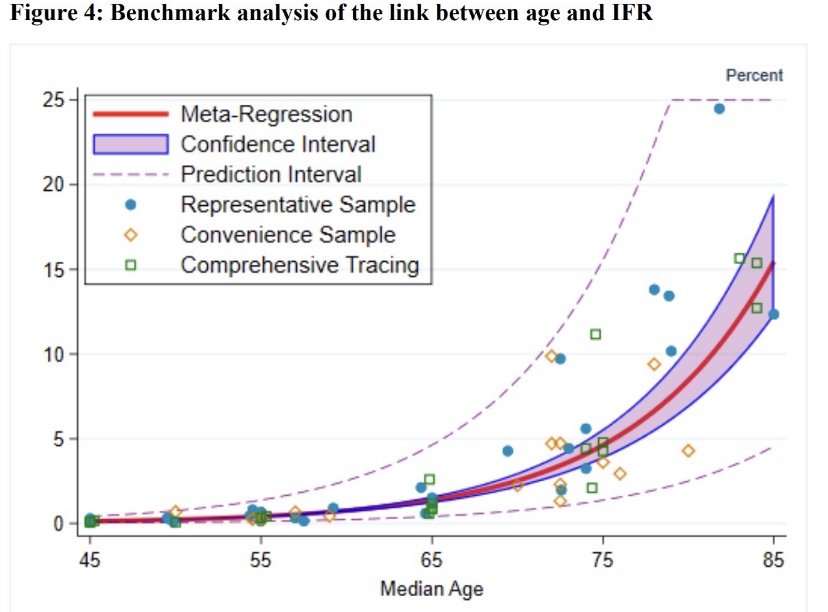
#1 is clearly the way to save the most lives, at least in the short-run. Over 40% of the deaths in the U.S. have been in elder-care settings, and COVID infection fatality rates mount exponentially with age:

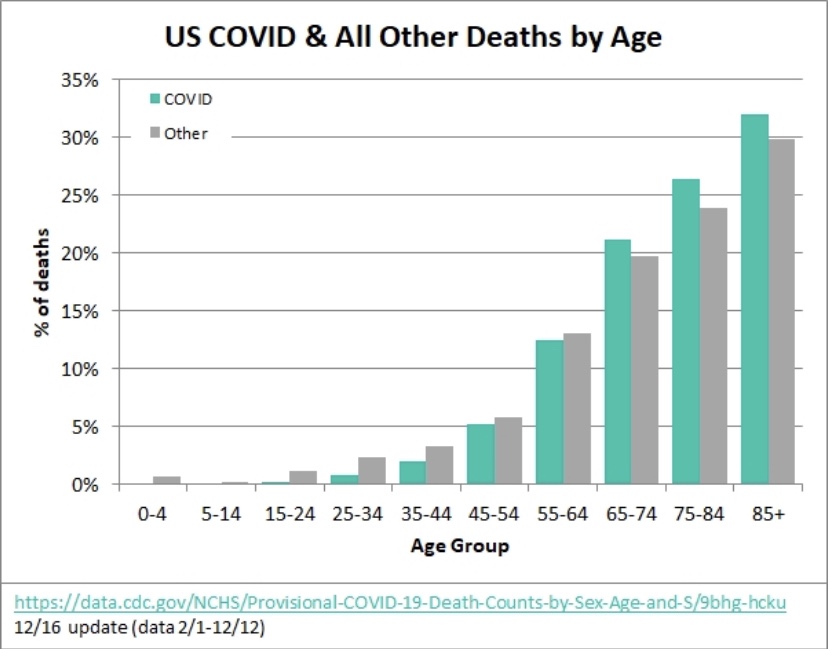
To derive the implications of #1 and #2, it’s more convenient to look at the share of deaths within each age cohort, since it incorporates the differences in infection rates and fatality rates across age groups (the number of “other” deaths is much larger than COVID deaths, of course, despite similar death shares):

The 75+ age group has accounted for about 58% of all COVID deaths in the U.S., and ages 25 – 64 accounted for about 20% (an approximate age range for essential workers). This implies that nearly three times as many lives can be saved by prioritizing the elderly, at least if deaths among so-called essential workers mimic deaths in the 25 – 64 age cohorts. However, the gap would be smaller and perhaps reversed in terms of life-years saved.

Furthermore, this is a short-run calculation. Over a longer time frame, if essential workers are responsible for more transmission across all ages than the elderly, then it might throw the advantage to prioritizing essential workers over the elderly, but it would take a number of transmission cycles for the differential to play out. Yes, essential workers are more likely to be “super-spreaders” than work-at-home, corporate employees, or even the unemployed, but identifying true super-spreaders would require considerable luck. Moreover, care homes generally house a substantial number of elderly individuals and staff in a confined environment, where spread is likely to be rampant. So the transmission argument for #2 over #1 is questionable.

The over-riding problem is that of available supply. Suppose enough vaccine is available for all elderly individuals within a particular time frame. That’s about 6.6% of the total U.S. population. The same supply would cover only about 13% of the younger age group identified above. Essential workers are a subset of that group, but the same supply would fall far short of vaccinating all of them; lives saved under #2 would then fall far short of the lives saved under #1. Quantities of the vaccine are likely to increase over the course of a few months, but limited supplies at the outset force us to focus the allocation decision on the short-term, making #1 the clear winner.

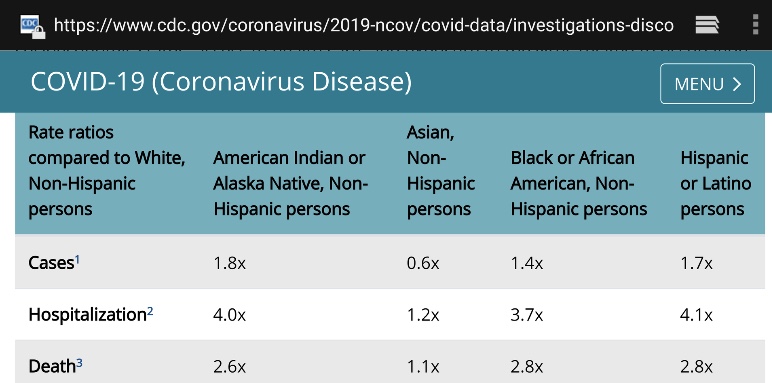
Now let’s talk about #3, minority populations, historical inequities, and the logic of allocating vaccine on that basis. Minority populations have suffered disproportionately from COVID, so this is really a matter of objective risk, not historical inequities… unless the idea is to treat vaccine allocations as a form of reparation. Don’t laugh — that might not be far from the intent, and it won’t count as a credit toward the next demand for “justice”.

For the sake of argument, let’s assume that minorities have 3x the fatality rate of whites from COVID (a little high). Roughly 40% of the U.S. population is non-white or Hispanic. That’s more than six times the size of the full 75+ population. If all of the available doses were delivered to essential workers in that group, it would cover less than half of them and save perhaps 30% of minority COVID deaths over a few months. In contrast, minorities might account for up to two-thirds of the deaths among the elderly. Therefore, vaccinating all of the elderly would save 58% of elderly COVID deaths and about 39% of minority deaths overall!

The COVID mortality risk to the average white individual in the elderly population is far greater than that faced by the average minority individual in the working age population. Therefore, no part of #3 is sensible from a purely mathematical perspective. Race/ethnicity overlaps significantly with various co-morbidities and the number of co-morbidities with which individuals are afflicted. Further analysis might reveal whether there is more to be gained by prioritizing by co-morbidities rather than race/ethnicity.

Megan McArdle has an interesting column on the CDC’s vaccination guidelines issued in November, which emphasized equity, like #3 above. But the CDC walked back that decision in December. The initial November decision was merely the latest of the the agency’s fumbles on COVID policy. In her column, McArdle notes that the public has understood that the priority was to save lives since the very start of the pandemic. Ideally, if objective measures show that identifiable characteristics are associated with greater vulnerability, then those should be considered in prioritizing individuals who desire vaccinations. This includes age, co-morbidities, race/ethnicity, and elements of occupational risk. But lesser associations with risk should not take precedence over greater associations with risk unless an advantage can be demonstrated in terms of lives saved, historical inequities or otherwise.

The priorities for the early rounds of vaccinations may differ by state or jurisdiction, but they are all heavily influenced by the CDC’s guidelines. Some states pay lip service to equity considerations (if they simply said race/ethnicity, they’d be forced to operationalize it), while others might actually prioritize doses by race/ethnicity to some degree. Once the initial phase of vaccinations is complete, there are likely to be more granular prioritizations based on different co-morbidities, for example, as well as race/ethnicity. Thankfully, the most severe risk gradient, advanced age, will have been addressed by then.

One last point: the Pfizer and Moderna vaccines both require two doses. Alex Tabarrok points out that first doses appear to be highly effective on their own. In his opinion, while supplies are short, the second dose should be delayed until all groups at substantially elevated risk can be vaccinated…. doubling the supply of initial doses! The idea has merit, but it is unlikely to receive much consideration in the U.S. except to the extent that supply chain problems make it unavoidable, and they might.

← Older posts
Follow Sacred Cow Chips on WordPress.com

Recent Posts

  • Immigration and Merit As Fiscal Propositions
  • Tariff “Dividend” From An Indigent State
  • Almost Looks Like the Fed Has a 3% Inflation Target
  • Government Malpractice Breeds Health Care Havoc
  • A Tax On Imports Takes a Toll on Exports

Archives

  • December 2025
  • November 2025
  • October 2025
  • September 2025
  • August 2025
  • July 2025
  • June 2025
  • May 2025
  • April 2025
  • March 2025
  • February 2025
  • January 2025
  • December 2024
  • November 2024
  • October 2024
  • September 2024
  • August 2024
  • July 2024
  • June 2024
  • May 2024
  • April 2024
  • March 2024
  • February 2024
  • January 2024
  • December 2023
  • November 2023
  • August 2023
  • July 2023
  • June 2023
  • May 2023
  • April 2023
  • March 2023
  • February 2023
  • January 2023
  • December 2022
  • November 2022
  • October 2022
  • September 2022
  • August 2022
  • July 2022
  • June 2022
  • May 2022
  • April 2022
  • March 2022
  • February 2022
  • January 2022
  • December 2021
  • November 2021
  • October 2021
  • September 2021
  • August 2021
  • July 2021
  • June 2021
  • May 2021
  • April 2021
  • March 2021
  • February 2021
  • January 2021
  • December 2020
  • November 2020
  • October 2020
  • September 2020
  • August 2020
  • July 2020
  • June 2020
  • May 2020
  • April 2020
  • March 2020
  • February 2020
  • January 2020
  • December 2019
  • November 2019
  • October 2019
  • September 2019
  • August 2019
  • July 2019
  • June 2019
  • May 2019
  • April 2019
  • March 2019
  • February 2019
  • January 2019
  • December 2018
  • November 2018
  • October 2018
  • September 2018
  • August 2018
  • July 2018
  • June 2018
  • May 2018
  • April 2018
  • March 2018
  • February 2018
  • January 2018
  • December 2017
  • November 2017
  • October 2017
  • September 2017
  • August 2017
  • July 2017
  • June 2017
  • May 2017
  • April 2017
  • March 2017
  • February 2017
  • January 2017
  • December 2016
  • November 2016
  • October 2016
  • September 2016
  • August 2016
  • July 2016
  • June 2016
  • May 2016
  • April 2016
  • March 2016
  • February 2016
  • January 2016
  • December 2015
  • November 2015
  • October 2015
  • September 2015
  • August 2015
  • July 2015
  • June 2015
  • May 2015
  • April 2015
  • March 2015
  • February 2015
  • January 2015
  • December 2014
  • November 2014
  • October 2014
  • September 2014
  • August 2014
  • July 2014
  • June 2014
  • May 2014
  • April 2014
  • March 2014

Blogs I Follow

  • Passive Income Kickstart
  • OnlyFinance.net
  • TLC Cholesterol
  • Nintil
  • kendunning.net
  • DCWhispers.com
  • Hoong-Wai in the UK
  • Marginal REVOLUTION
  • Stlouis
  • Watts Up With That?
  • Aussie Nationalist Blog
  • American Elephants
  • The View from Alexandria
  • The Gymnasium
  • A Force for Good
  • Notes On Liberty
  • troymo
  • SUNDAY BLOG Stephanie Sievers
  • Miss Lou Acquiring Lore
  • Your Well Wisher Program
  • Objectivism In Depth
  • RobotEnomics
  • Orderstatistic
  • Paradigm Library
  • Scattered Showers and Quicksand

Blog at WordPress.com.

Passive Income Kickstart

OnlyFinance.net

TLC Cholesterol

Nintil

To estimate, compare, distinguish, discuss, and trace to its principal sources everything

kendunning.net

The Future is Ours to Create

DCWhispers.com

Hoong-Wai in the UK

A Commonwealth immigrant's perspective on the UK's public arena.

Marginal REVOLUTION

Small Steps Toward A Much Better World

Stlouis

Watts Up With That?

The world's most viewed site on global warming and climate change

Aussie Nationalist Blog

Commentary from a Paleoconservative and Nationalist perspective

American Elephants

Defending Life, Liberty and the Pursuit of Happiness

The View from Alexandria

In advanced civilizations the period loosely called Alexandrian is usually associated with flexible morals, perfunctory religion, populist standards and cosmopolitan tastes, feminism, exotic cults, and the rapid turnover of high and low fads---in short, a falling away (which is all that decadence means) from the strictness of traditional rules, embodied in character and inforced from within. -- Jacques Barzun

The Gymnasium

A place for reason, politics, economics, and faith steeped in the classical liberal tradition

A Force for Good

How economics, morality, and markets combine

Notes On Liberty

Spontaneous thoughts on a humble creed

troymo

SUNDAY BLOG Stephanie Sievers

Escaping the everyday life with photographs from my travels

Miss Lou Acquiring Lore

Gallery of Life...

Your Well Wisher Program

Attempt to solve commonly known problems…

Objectivism In Depth

Exploring Ayn Rand's revolutionary philosophy.

RobotEnomics

(A)n (I)ntelligent Future

Orderstatistic

Economics, chess and anything else on my mind.

Paradigm Library

OODA Looping

Scattered Showers and Quicksand

Musings on science, investing, finance, economics, politics, and probably fly fishing.

  • Subscribe Subscribed
    • Sacred Cow Chips
    • Join 128 other subscribers
    • Already have a WordPress.com account? Log in now.
    • Sacred Cow Chips
    • Subscribe Subscribed
    • Sign up
    • Log in
    • Report this content
    • View site in Reader
    • Manage subscriptions
    • Collapse this bar
 

Loading Comments...