Why reveal your intentions when you don’t have to? That’s exactly what the Biden Administration did with respect to the question of a “no-fly zone” over Ukraine, and it might as well apply to all future incursions backed by wild threats from aggressor states possessing WMDs. This was another unforced error by Biden’s team and Secretary of State Anthony Blinken. John Cochrane writes that “strategic ambiguity” has real value in deterring an aggressor, but apparently our current leadership hasn’t thought that through. From Cochrane:
“Once again, the U.S. declares, publicly, ahead of time — ahead of the possible collapse of the Ukrainian government — what we will not do, and elevates it to a matter of principle.
Who else is listening? Well, Xi Jinping. And the Iranians. And the South Koreans, Japanese, Saudi Arabians, and more. …
We have just wrapped Taiwan up and delivered it to China.
Message to Iran: test one nuclear weapon. Invade Syria, Iraq, or whatever. The US will not respond. Message to others. Get nukes. Now.
This war isn’t just about Ukraine. It is about the kind of world we live in for the next generation.”
As Cochrane’s says, the U.S. and NATO calculated that supplying anti-tank and anti-aircraft weapons to Ukraine would not trigger Putin to make good on his larger threats. At the same time, the thinking is a no-fly zone is too chancy. It’s probably true, but there was no reason to say so. It could have and should have waited. It might have given Putin some pause, any instance of which could be of great value to the Ukrainians as they marshal their defense.
This kind of up-front pusillanimity more broadly undermines the credibility of other options we might wish to have against aggressors in the future, such as trade embargoes, naval blockades, or even conventional weapons. Nor do the particulars in this case limit the range of actions a future aggressor might make threats against. We’ve more or less revealed that whatever a future aggressor chooses to forbid, under the menace of some drastic reprisal, is off the table. Acquiescence is adopted as doctrine, and that is a huge blunder.
Understanding the severity of the coronavirus pandemic is more straightforward when measured in terms of excess deaths, rather than total Covid deaths. We’ve had a large number of excess deaths in the U.S., but not all of them can be attributed to Covid. It’s also worth asking whether some of the deaths were avoidable, because that reflects even more profoundly on the success or failure of public policy and the health care system in dealing with the challenge. Unfortunately, while the precise number of avoidable deaths the nation has suffered is speculative, it is nevertheless significant.
Bad Metrics
A huge problem with using total Covid deaths as a measure of pandemic severity is that no one is confident in the accuracy of official statistics. There are reasons to suspect over-counting in the U.S. due to financial incentives created for hospital systems by the CARES Act. These were exacerbated by the CDC’s absurd 2020 recommendations for the completion of death certificates. Essentially, any non-primary Covid entry on a death certificate was sufficient to count the death as from Covid. No other disease is or has ever been tallied like that.
There is an important distinction between deaths “with Covid” and deaths “from Covid” that has been acknowledged only recently by health authorities. A death “with Covid” can occur when a patient tests positive for Covid after being admitted to a hospital for another primary ailment. Thus, deaths from other causes like heart failure have been improperly coded as Covid deaths under the CDC’s guidelines. Even tragedies like auto fatalities have been coded as Covid deaths.
At the same time, some public health “elites” insist that many Covid deaths in the community have gone unreported. That might have been true in the early weeks of the pandemic. However, post-mortem testing by medical examiners began to spread by April 2020, though there was a shortage of tests, and the CDC issued guidelines to encourage it late in the year.
Counting excess deaths from all causes avoids these controversies, including differences across countries in the way they record Covid deaths. It’s also possible to break down excess death into broad categories of causes, though the task is complex.
How Many?
First some simple accounting. Let’s define all-cause mortality during a period (Mort) as Covid deaths (C) plus plus all other mortality (M), or Mort = C + M. Expected mortality in the absence of a pandemic would be Exp(Mort) = Exp(M). Usually this expected value is taken as an average of deaths over several previous years. Therefore, excess mortality during the pandemic is:
EM = C + M – Exp(M)
How many excess deaths have we actually seen during the pandemic? According to Our World In Data, the figure was 950,000 as of Jan 9th. USMortality.com puts the excess at about 965,000 through the end of 2021. So these two sources are in close agreement, which says a lot given the usual difficulty of getting pandemic numbers to tie-out across sources
Through 2021, cumulative Covid deaths (by date of death) were almost 850,000. That’s less than excess deaths, so it’s obvious that other factors have contributed to the excess. Interestingly, 2021 was worse for excess deaths than 2020 for all age groups except 85+. Some have suggested the most vulnerable in this highly vulnerable age group had already succumbed to Covid in 2020, but there may have been other reasons for the difference.
Non-Covid Excesses
As noted above, some of the Covid deaths were misattributions. If we understand C to include only deaths “from Covid”, then we must acknowledge that M includesdeaths from other causes but “with Covid”, as well as all deaths without Covid diagnoses. For example, because of the confounded way in which Covid deaths have been counted, a death from heart disease could end up in the official count of C, but it should be included in M instead.
The figures above imply 100,000+ excess deaths during the pandemic not associated with Covid diagnoses. If we add to those the “with Covid”, incidental total, then perhaps 300,000 – 400,000 excess deaths during the pandemic were from non-Covid primary causes!
Lockdown effects are a prime suspect in these non-Covid deaths. For example, if health care was deferred because hospitals cancelled or delayed elective procedures, or because patients feared the hospital environment, that would certainly manifest in premature deaths. Deaths of despair or neglect were also in excess, as one should expect when populations are subjected to prolonged periods of isolation.
These kinds of deaths are so-called “lockdown” deaths because they could have been avoided without such stringent policy measures and the propagation of fear by public health authorities. Those who might protest this nomenclature should note that lockdowns have been unsuccessful in mitigating the pandemic (and see here). After all, in terms of excess deaths, the Swiss approach was quite successful!
Avoidable Deaths
Many of the excess pandemic deaths were avoidable. Prolonged lockdown policies were driven by politics rather than sound public health reasoning. However, within the Covid death totals there is another category of avoidable deaths, and it is every bit as controversial. This post from The Ethical Skeptic (TES) goes into great detail on the matter. He takes a strong position, and some of his assertions and his accounting are subject to challenge. I sometimes find that TES’s posts contain ambiguities, and the graphical evidence he presents is often poorly labeled. Still, he has proven correct on other controversial issues, such as the ancestry and surprisingly early “vintage” of the Omicron variant.
Most of the “avoidable” Covid deaths (again, as distinct from the non-Covid lockdown deaths) occurred well after the primary symptoms of the infection (fever, cough, and cytokine storm) had passed. In the end, the real killers were follow-on problems induced by Covid, primarily related to blood clotting and compromised vascular integrity from endothelial dysfunction. These deadly complications were known very early in the pandemic. The following schematic from TES shows a Covid “death timeline”. The figures listed under the schematic show the large share of clotting and vascular problems involved in these deaths.
Over the past two years, not all of these patients were placed on anticoagulants or blood thinners early in the course of their infections. Indeed, many of them were told to “go home and sleep it off”. This is what happened to TES as well as a number of commenters on his Twitter account. I know several individuals who received the same advice from medical professionals. Even among the hospitalized, many were not placed on these drugs in a timely fashion, or until it was too late. TES adds the wrinkle that his physician indicated he should have been vaccinated! Short of that, tough luck, said the healer.
TES blames this medical “malfeasance” on the CDC’s Emergency Use Authorizations (EUA) for the Covid vaccines. In fact, he calls these deaths “EUA Shadow Deaths”, citing legal requirements associated with EUAs that would appear to prohibit alternatives such as therapies and even tests or studies of alternatives. That contention seems questionable given the CDC’s issuance of other EUAs for certain treatments, and there was no shortage of published experiments conducted during 2020-21.
The vaccine EUAs were not issued until late 2020, but TES claims that forces leading up to those EUAs were responsible for the failure to put patients on anticoagulants/blood thinners even earlier in 2020. The schematic says more than half of Covid deaths through the end of 2021 involved blood coagulation issues, and I have no reason to doubt those figures, which TES sources from the CDC. But He uses a value of 50% of Covid deaths to estimate that 421,000 Covid deaths were avoidable.
I’m not sure about that total, or rather, the use of the term “avoidable” in all those cases. I am sure, however, that we’ve seen a remarkable under-emphasis on therapeutics (and see here and here) relative to the emphasis on vaccines. The news media contributed to the dysfunction by condemning certain promising therapies for political reasons.
I’m also sure that there have been a meaningful number of patients who should have received anticoagulants/thinning agents but did not. Why did they not? Plausibly, the restrictions imposed by the vaccine EUAs made a difference, but clearly the medical community was not tuned into what should have been an obvious treatment regimen.
How many Covid deaths were truly avoidable? TES’s estimate of 421,000 seems too high if only because we can’t expect the dissemination of information through the medical community to be perfect. Moreover, some of these patients were undoubtedly on blood thinners already, or there might have been contraindications preventing the use of anticoagulants/thinners.
Nevertheless, a substantial number of deaths could have been avoided by more timely use of therapeutics and less stringent lockdown measures. Here is a chart from a tweet by TES showing another accounting for excess deaths:
Here, TES uses a slightly longer time frame, through about February 5, 2022, so the “EUA Shadow Death” total is somewhat larger, about 437,000, than shown in the earlier schematic. He attributes about 800,000 excess deaths, or 77%, to Covid, most of which he believes were avoidable deaths.
Lockdown deaths account for some of the additional 236,000 excess deaths reported in the chart, and probably a large share of the roughly 90,000 non-natural deaths labeled #3 (SAAAAD = “Suicide Addiction Abandonment Abuse Accident & Despair”; the two other categories in #3 relate to non-Covid illnesses acquired in-hospital or adverse reactions to medications). The Unknown/Abnormal category may include some lockdown deaths, but more on that category below.
If TES is correct about shadow deaths, the “avoidable” pandemic death total might account for well over half of all excess deaths. I suspect it might account for half, but even if less, it’s clear that avoidable deaths have been a huge part of the pandemic’s toll.
Vaccine Adverse Events
There’s been much speculation about the large number of Unknown/Abnormal deaths that have been coded during the pandemic: more than 65,000 in the chart above. One caveat is that an “unknown” cause of death usually means the cause is ambiguous: there might have been several factors contributing to the death such that the medical examiner was unable to assign a definitive cause. That status can be temporary as well. Still, the surge is noteworthy.
Unfortunately, there were an unusual number of excess deaths in younger age brackets in 2021, especially in the second half of the year after vaccinations had reached a fairly large share of the population. The pace of those deaths hasn’t yet abated in 2022. The next chart, from USMortality.com, showsexcess mortality in the 25 – 44 age bracket in 2020 – early 2022.
Many of these prime age deaths could be a continuing hangover from deferred medical care and depression. There are claims, however, that the vaccines themselves killed a significant number of individuals. The upsurge in excess deaths suggests to some that the vaccines have had a much greater number of “adverse events” than we’ve seen reported by the CDC and the news media.
Here is how TES presents the data on excess deaths and vaccinations. The chart title is his somewhat confusing attempt to summarize the meaning of the lines plotted. The left axis measures the pace of vaccinations by week and the right access measures weekly excess non-Covid natural-cause deaths.
I have no doubt as to the efficacy of the vaccines against serious Covid outcomes in high-risk groups, though vaccine efficacy has been drastically overstated by the Biden Administration. The balance of risks for older individuals is clearly in favor of vaccination. Still, I’ve long felt that vaccination is less compelling for people in younger age brackets, and it’s possibly a bad idea. That’s both because Covid is a much smaller risk to them and because of possible vaccine risks, such as myocarditis.
To the extent that natural-cause, non-Covid excess deaths among younger age cohorts have been driven by unnecessary vaccinations, those deaths were avoidable. I’m not convinced of the significance, and it’s clear that among hospitalized Covid patients, outcomes have been better among the vaccinated. The following chart is from the link in the previous paragraph:
That sort of pattern might mean more deaths among the unvaccinated could have been avoided, on balance, had they opted for the jab. In almost all things, however, I believe we should eschew blanket mandates and instead offer protection to those seeking it in the high-risk population.
Conclusion
As many as 30% of Covid deaths to date are likely misattributions in which Covid was not really the primary cause of death. Nevertheless, excess Covid deaths “from Covid” as the primary cause are probably approaching 700,000 today.
The pandemic was certainly bad enough without a slew of bad calls by the public health and medical establishments. Of the 950,000+ excess deaths that occurred through the end of 2021, over 100,000 were not attributed to Covid. If we include deaths mis-attributed to Covid, the non-Covid total is likely in excess of 300,000 and could be as high as 400,000. It’s time to acknowledge that lockdowns and fear-mongering led to a large number of those deaths, and most of those deaths were avoidable. However, while I am skeptical, the number of deadly adverse effects from vaccines in the prime age population is an open question.
Another class of avoidable deaths was a product of the underemphasis on Covid therapies by the medical establishment. There were many cases of promising, repurposed drugs that were shouted down after so-called experts insisted that their use must be withheld until adequate randomized control trials (RCTs) had confirmed their efficacy. Not only did this ignore the long history of clinical evidence as a guide to medical practice. It also ignored the frequent real-world inadequacies that plague RCTs.
At the same time, obvious complications of the vascular system, primarily blood clotting, were not treated in a timely way or as a precautionary treatment’s, at least prior to hospitalization. Adding a conservative allowance for these deaths to the other avoidable deaths probably means that at least half of the excess deaths during the pandemic were avoidable. As of March 2022, that’s over half a million deaths! We can chalk it up to mismanagement and miscommunication by the public health establishment with a dash of ignorance, and perhaps some malfeasance, by health care practitioners. The death of expertise, indeed!
I’m very happy to be off Facebook, or “Meta” as it now calls itself. The platform has become, effectively, a propaganda arm of governments, and one that appears to be engaging in unconstitutional censorship. More on that below.
One year ago my profile dropped off of FB entirely. I had decided to quit in January 2021 after about 15 years. I downloaded everything from my profile and wrote a blog post called “On Quitting Facebook”. It was my last entry there, so that’s really when I quit, but it took a month before they completely deactivated me.
You have to resist the temptation to go back during that interim month or it starts all over again — a new interim period, that is — when you finally decide to get out. I knew immediately that I loved being free of it, so that part was easy. My feelings haven’t changed a bit.
F-R-Double E
I no longer have to put up with the propaganda that FB prioritizes nor the “demoted post” phenomenon. None of my posts had actually been blocked outright, but I knew “Facebook jail” was happening to users with increasing frequency, as well as post blocking and “red flags” authorized by politically-motivated FB “fact checkers”.
Free of FB, I no longer have to put up with various “frenemies” I’d somehow collected. And quitting FB allowed me to reclaim precious time I’d been wasting on an obsession that one would think avoidable: scrolling through my news feed, sometimes more than once a day, to view an assortment of photos of meals, puppies, and peoples’ lovely feet propped-up in “relax mode”, plus huge dollops of left-wing political and economic BS, often delivered with snark. But of course the lefty BS is almost everywhere in media.
There was one other disturbing anomoly on FB that became more frequent for me: friend requests from exceptionally gruesome-looking characters. I think they were fake requests, but I had tight security on my profile, so the source and motive is anyone’s guess. The increasing frequency led me to wonder whether someone had information about me, which my security settings should not have allowed. That would have meant it was partly an “inside job” on FB, perhaps designed to intimidate me in one way or another. I have no idea, but I don’t miss those requests.
So there’s a lot to like about quitting FB! It certainly brought a few disappointments and challenges. Unfortunately, I did lose touch with some good people. In what follows I elaborate on certain legal ramifications of FB’s poor conduct in hosting users both privately and within what’s purported to serve as a “public square”; the social media frustrations I’ve experienced since quitting; and my impressions of a few other platforms.
Government Censorship?
FB is a private company, so the usual libertarian position is that it can run its platform any way it wants. It is therefore no business of the government’s whether FB moderates content, bans certain users, or takes editorial positions. However, FB benefits from immunity to prosecution under Section 230 of the Telecommunications Act of 1996, which was traditionally intended for common carriers like telephone companies. That means they can’t be held liable for anything a third party might say on their network. Say what you want on the phone, because liability-free carriers shouldn’t care. FB and other social media platforms receive this same protection. But should they?
While we can think of FB as a kind of modern public square, in some respects it looks more like a common carrier. By that I mean much of the communication that takes place on the platform is voluntary and between private contacts, or groups of “friends”. The voluntary nature of these connections is a key aspect of what Eugene Volokh calls the “hosting function”. No one is forced to look at what you post. Yet FB makes a habit of moderating the content of those posts and conversations and still receives immunity under Section 230.
In other respects, FB does resemble a public square. Content posted by one party can be shared by each contact with their own network of friends, and thus can “go viral”. But if FB moderates content, censors users, or takes political positions of its own via the “recommendation function” often exercised by social media platforms, then it is not acting purely as a public square. Indeed, in that case it is more like a publisher, which otherwise would not be immune from lawsuits.
The case against FB is even stronger than that, however. It has acted as a de facto agent of the government in several respects. A recent FOIA request has revealed a White House email showing:
“… Facebook, Merck, and the CDC Foundation, whose corporate partners includes Pfizer, have formed an alliance ‘to use social media and digital platforms to build confidence in and drive uptake of vaccines.’”
FB has also acted to delete user accounts at the behest of the U.S. and Israeli governments. And FB has partnered with a security firm called FireEye, which is funded by the CIA. There are other areas of “cooperation” between entities performing government-funded activities described at the last link.
The topic of social media giants censoring speech on behalf of the U.S. and other governments has been discussed by Vivek Ramiswamy, who notes the obvious breach of constitutional rights that it represents. It’s fine for a private firm to regulate speech on its own premises, but conducting censorship at the behest of government is equivalent to censorship by government and a flat out a violation of the First Amendment.
Moreover, FB has had the audacity to propose government “oversight” in its effort to moderate content. What, in the name of regulatory capture, could go wrong? I’d say the whole thing is Orwellian, but perhaps no more than what we’ve already seen. The best policy response, as Volokh suggests, might be to separate the hosting and conversation functions of social media from the recommendation function. The former can be treated as “common carrier” functions for the purpose of applying Section 230, with an obligation for non-discrimination and minimal content moderation, while the latter function would receive no immunity under Section 230.
My Post-FB Social Media Escapades
My blog lost a lot of readership when I quit FB. Last spring, however, I began a roughly five-month stint as a contributing blogger on a site that brought a jump in my readership. Unfortunately, it became clear, over time, that it was largely an audience unwilling to entertain more objective and sometimes technical considerations. I also became disillusioned after finding myself writing posts to debunk certain conspiratorial fantasies of other contributing bloggers on the site. I didn’t want to be associated with those writers, so I cut ties. My readership crashed again, but I’m not sure I lost many high-quality readers in that instance.
I joined various “free speech” social media platforms: firstParler (until it was taken down by Amazon, and I haven’t been back), and I’d been onMeWe, but thenGab, CloutHub, GETTR, and Telegram. MeWe, Gab, and CloutHub sponsor groups with shared interests, and I’ve made it a point to join Libertarian groups when I can find them. Those groups are not very active on CloutHub. GETTR feels a bit more like Twitter to me, and there are no group pages. Telegram is a secure messaging app with extra features. I just started a so-called “channel” there to which I can post my content. Users can view and subscribe to my channel if they wish, but I have to cross-post to other channels to find them. We’ll see how it goes, but there are a lot of people who LOVE Telegram!
A few friends from my FB days followed me to one or two of the “free speech” platforms, but only one of them seems to have maintained any presence there. Most of them became entirely inactive from what I can tell. I know some went back to FB, upon which so many people are dependent. Sometimes that’s for business reasons, which is both understandable and regrettable. Anyway, at least one of my former FB connections is still cross-posting some of my articles to FB, which is fine and I truly appreciate it.
Like FB, the alternative platforms I’ve tried are dominated by meme warriors. While a few trolls lurk there, MeWe, Gab, and CloutHub are very much echo chambers. But at least dissident voices have a place where they aren’t censored! In an ideal world we’d have diversity of thought and civility.
I’ve grown kind of numb to all the memes. I tend to scroll right past them in search of meatier fare. Memes tend to over-simplify complex issues and appeal to mood affiliations. They generally offer zero evidence in support of their messages. Even worse is their impact on attention span. It’s extremely difficult to get users to read anything longer than a meme blurb. In fact, there are people who notice the headlines on my posts and make immediate comments on that basis, as if I’m posting memes! But again, FB is very much a hall of memes, so I don’t mean to imply that there’s been any change for me in that respect … I just like to bitch about memes!
There are a few anti-semites on some of the “free-speech” sites, Gab in particular. In fact, Gab is thoroughly dominated by the religious right, so the anti-semitism is all the more striking. Excepting the Jew haters, whom I can block, I respect the religious right, and our interests are often aligned. However, a steady diet of posts with Christianity as an emphasis makes Gab less than ideal for me. Besides, every time I click on the Gab app it takes like 15 seconds to load on my phone!
I joined MeWe well before I quit FB. Nevertheless, I’ve had trouble getting traction there and I’m thinking of dropping out just to simplify my life. So far, CloutHub seems a little better in terms of generating visits to my blog.
It’s hard for a small-time blogger like me to get much notice on GETTR. There are some well-known conservative personalities there, so there are some decently informative posts. I have not been very active on Telegram, but that might change, as I said above.
I’ve been on LinkedIn for many years, but I’ve only recently decided to begin posting my articles there. I’ve lost a handful of connections as a result! That’s okay. As I like to say, eventually I’ll piss everyone off! I do get some views from LinkedIn, but users who might agree with my point of view are often too chickenshit to say so. That’s more understandable on a platform oriented toward career and professional contacts. However, I think the perception of social pressure is not very much different than the intimidation some people feel on FB.
I’ve considered joining the Truth Social platform, Donald Trump’s foray into social media. It’s billed as a “big tent”, but it will be another echo chamber, I’m sure. It’s also been a technical mess so far (not unique among new apps in that respect). I’m no Trump hater by any means, but any post that might be critical of him is almost certain to attract some hate on Truth Social (the link no is satire, btw). That’s not censorship per se, but TS might not be a great place for some of my posts.
No Going Back
Maybe the last section above was more self-assessment than anything else. As a personal decision, quitting FB was unequivocally positive for me. It hurt my blog readership, but I still hope to gain momentum on other platforms and to promote Sacred Cow Chips by placing links on other sites. In any case, I blog for myself as much as anyone else, just because I enjoy writing, thinking about issues, and occasionally doing a “deep dive” to research an issue.
The censorship occurring on the big social media platforms is simply unacceptable, and I wish more people would rise-up against it. I experienced some schadenfreude when I saw that Meta’s (Facebook’s) financials were a disappointment last quarter. The number of active users declined ever so slightly, but that was a first for FB. One can only hope it’s a trend in the making. And see this, though it might be a bit over-optimistic. Damn the censorship!
Here are the gender conventions we’ve adopted in Western society on the rules of debate:
“We accept gender double standards, and tolerate more aggression towards men than we do towards women. We also tolerate more hyper-emotionalism from women than men.”
So says Richard Hanania in an essay called “Women’s Tears Win In the Marketplace of Ideas“. Hanania is the president of the Center for the Study of Partisanship and Ideology, and a research fellow at Defense Priorities. He offers some cogent examples of this disparate treatment, such as the Yale Halloween costume imbroglio and the “cancelling” of Ilya Shapiro at Georgetown Law School. To those we can add Eric Landers’ forced withdrawal as Joe Biden’s chief science advisor, and there are countless others. About this, Hanania says:
“What makes these cases difficult is that male versus male argumentation just has completely different rules, norms, and expectations than male versus female. … A man can’t just yell in another man’s face for 5 or 10 minutes about how he’s hurting his feelings. If a man does behave this way, bystanders are more likely to feel disgusted than join in or play the role of white knight. The man at the receiving end of the abuse is at some point going to have to escalate towards violence, or back down and say something about how this is beneath him. Depending on the situation, observers may assume violence is a distinct possibility, and get between the two sides.
None of these options are available when getting yelled at by a woman. You certainly can’t make an implicit threat of violence. Raising your voice will turn everyone against you, and even walking away can look heartless.”
I’ve witnessed a few pathetic crying jags in the workplace myself, as well as some volleys of verbal belligerence from females on social media that were pointedly anti-social. In my experience, most women can dish out barbs good-naturedly in jest and conduct themselves with dignity in debate. On the other hand, there are too many men who become hostile in debate, which most observers will find much less sympathetic if the counter-party is a woman. And there are a few men, here and there, who have trouble holding back tears in a fraught exchange, but we all know it’s not a good look.
To state the obvious, tears are a natural reaction to grief or real hurt. Anger is well-justified in response to criminal or personal wrongs. Nevertheless, it’s necessary to distinguish between these kinds of reactions and the ignoble tears or venom sometimes brought to controversial debates by neurotic partisans. As Hanania says of our disparate gender conventions, considerable censorship is instigated by an intransigent minority of women who manage to “… indulge their passions in ways that men cannot … .” Most men, anyway… and if they do, they’ve usually lost and know it.
These passionate displays are often tied to claims of individual or group victimhood. The objector could be anyone who feels an under-appreciated beef, but acting-out in order to signal “virtuous victimhood” in this way might indicate a deeper instability.
Again, as Hanania says, females have a definite advantage in the deployment of tears, confrontational rhetoric, and screams. Coincidentally,in a post to which Hanania links, Noah Carl marshals data on the extremely skewed representation of degrees awarded to women in Grievance Studies (e.g. Gender Studies and Critical Race Theory).
Too often, claims of victimhood are invoked in attempts to rebut any number of principled policy positions. For example, your views might be construed as offensive, racist, or sexist if you oppose such things as an increase in the minimum wage, racial quotas, disparate impact actions, equal pay rules, family leave mandates, and abortion. Expressing a strong and reasoned defense of many positions can foment imagined micro-aggressions or even harassment.
The real danger here is that honest debate is suppressed, and with it, very often, the truth. I acknowledge that people must be free to express or defend their views passionately, and with tears, screams, or otherwise, which the First Amendment guarantees. Our gender conventions in this matter should be revisited, however, if men and women are truly to be on equal footing.
Whether baring fangs or shedding tears, there are self-appointed arbiters of acceptable speech represented in almost all of our public and private institutions, ready to shut down debate on account of their feelings. They have more than a few sympathetic allies, male and female, at higher levels of their organizations. In the past, Hanania has discussed the over-representation of females in Human Resource departments. In these contexts, adjudication of disputes often relies on vague notions of what constitutes “hate speech” or “harassment” under Civil Rights Law. If you manage to provoke the tears of a colleague or underling, you’re probably behind the eight ball!
Hanania considers some alternative ground rules or “options” for debate:
Expect everyone who participates in the marketplace of ideas to abide by male standards, meaning you accept some level of abrasiveness and hurt feelings as the price of entry.
Expect everyone to abide by female standards, meaning we care less about truth and prioritize the emotional and mental well-being of participants in debates.”
Either of these options is better than the double standard we have now, and Hanania point to a number of egregious manifestations of our double standard. As he notes, #2 might be what’s meant by the “feminization of intellectual life”, but it fosters the arbitrary prohibition against discussion of any number of ideas that belong on the policy menu.
Option #1 would undoubtedly be condemned as “traditional male dominance” of public debate, but it would bar no one from participation, and obstacles perceived by females, or any sensitive soul, can be viewed as a matter of socialization. Both tearful and ferocious argumentation should be marginalized regardless of the antagonist’s gender.
Imperfect as they are, we have laws and/or social strictures against harassment, bullying, and other aggressive behavior thought to be largely associated with malcontented males. But as Hanania says:
“We haven’t even begun to think carefully about equivalent pathologies stemming from traits of the other sex.”
This problem obviously pales in comparison to the fascist tactics typical of the far Left. That includes the violent behavior of Antifa and BLM, unethical attempts blame conservatives for various, often fabricated deeds, and to threaten and punish them economically, even to the point of state-sponsored thievery and threats of harm to family members. Despite the more benign nature of the disparities discussed here, restoring gender equality to the terms of civil debate, without tears and hysterics, would be a great step forward.
We might be just be done with the coronavirus pandemic. That is, it appears to be transitioning to a more permanent endemic phase. What follows are a few details about the Omicron wave and its current status, an attempt to put the risks of Covid in perspective, and a few public policy lessons that are now gaining broad currency but should have been obvious long ago.
What’s The Status?
The Omicron variant became the dominant U.S. strain of the coronavirus in December. Omicron outcompeted Delta, which was very good news because Omicron is far less severe. The chart below (from the CDC Data Tracker site) shows Omicron’s rapid ascendance and displacement of the Delta variant. The orange bar segments represent the proportion of cases of the Delta strain, while the purple and pink segments are Omicron sub-variants known as BA.1 and BA.2, respectively. BA.2 is even more transmissible than BA.1 and is likely to become dominant over the next month or so. However, the BA.2 sub-variant appears to be far less virulent than Delta, like BA.1.
Despite a record number of infections over a period of a month or so, the Omicron wave is tapering just as rapidly as it ramped up, as the next chart demonstrates. In fact, covidestim.org shows that cases are now receding in all states, DC, and Puerto Rico. Here are new cases per million people from Our World in Data:
Whether BA.2 causes cases to plateau for a while, or even a secondary Omicron “wavelet”, is yet to be seen. That would be consistent with the normal Hope-Simpson seasonal pattern of viral prevalence in the northern hemisphere (hat tip: HOLD2):
Data problems make the Omicron wave difficult to assess, however. We don’t know the share of incidental infections for the U.S. as a whole, but more than half of hospitalized Covid patients in Massachusetts and Rhode Island are classified with incidental infections. The proportion in the UK is estimated to be rising and approaching 30% of total cases, with much higher percentages in many regions of England, as shown below.
As I’ve emphasized in the past, case numbers should not be the primary gauge of the state of the pandemic, especially with a more highly contagious but relatively mild variant like Omicron. Hospitalizations are a better measure, but only if “incidental” infections are removed from the counts. That’s been acknowledged only recently by the public health establishment, and even the Biden Administration is emphasizing it as a matter of sheer political expediency. Another measure that might be more reliable for assessing the pandemic in the community as a whole is the number of emergency room patients presenting Covid-like symptoms. From the CDC Data Tracker:
There is no doubt that incidental infections create complications in caring for patients with other ailments. That has a bearing on the utilization of hospital capacity. Generally, however, strains on hospital capacity during the pandemic have been greatly exaggerated. This is not to diminish the hard work and risks faced by health care workers, and there have been spot shortages of capacity in certain localities. However, in general, staffed beds have been more than adequate to meet needs. This chart, like a few others below, is courtesy of Phil Kerpen:
With the more highly transmissible variants we have now, it’s not at all surprising to see a high proportion of incidental cases among inpatients. Incidental infections are likely to inflate counts of Covid deaths as well, given the exceptional and odd way in which Covid deaths are being recorded. It will be some time until we see full U.S. data on cases and deaths net of incidental infections. Moreover, many of the Covid deaths in December and January were from lingering Delta infections, which might still be a factor in the February counts.
How Are Your Odds?
The mild or asymptomatic nature of most Omicron cases, the large proportion of incidental hospitalizations, and the knowledge that Omicron is not a deep respiratory threat should offer strong reassurance to healthy individuals that the variant does not pose a great risk. According to a recent CDC report, in a sample of almost 700,000 vaccinated individuals aged 65 or less without co-morbidities, there were no Covid fatalities or ICU admissions during the 10 months from December 2020 through October 2021. There was only one fatality in the sample of healthy individuals older than 65. There were just 36 fatalities across the full sample of over 1.2 million vaccinated individuals, so COVID’s fatality risk was only about 0.3%. Of those deaths, 28 were among those with four or more risk factors (including co-morbidities and > 65 years). And this was before the advent of Omicron!
I have a few doubts about the CDC’s sample selection and vagaries around certain definitions used. Nevertheless, the results are striking. However, the study did not address risks to unvaccinated adults. Another more limited CDC study found that vaccinated patients were still less likely than the unvaccinated to require critical care during the Omicron wave.
A separate CDC study found a 91% reduction in the likelihood of death for Omicron relative to Delta. A study from the UK (see summary here) found that Omicron cases were 59% less likely than Delta cases to require hospitalization and 69% less likely to result in death within 28 days of a positive test. Omicron was far less deadly among both the vaccinated and the unvaccinated, and the latter had a larger reduction in the likelihood of death. The study was stratified by age as well, with less severe outcomes for Omicron among older cohorts except in the case of death, for which there was no apparent age gradient.
Another unnecessarily contentious issue has been the risk to children during the pandemic. Based on the data, there should never have been much doubt that these risks are quite low. Apparently, however, it was advantageous for teachers’ unions to insist otherwise. Phil Kerpen soundly debunks that claim with the following chart:
Covid has been less deadly to children from infancy through 17 years than the pre-pandemic flu going back to 2012! Oh yes, but teachers FEAR transmission from the children! That claim is just as silly, since children are known to be inefficient transmitters of the virus (and see here).
Now that Omicron has relegated the Delta variant to the history books, the risks going forward seem much more manageable. Omicron is less severe, especially for the vaccinated. Levels of acquired (natural) immunity from earlier infections are now much higher against older strains, and Omicron infections seem to be protective against Delta.
“Those are roughly the same odds that in the course of a year you will die in a fire, or that you’ll perish by falling down stairs. Going anywhere near automobiles is a bigger risk: you’re three times more likely during a given year to be killed while riding in a car, and also three times more likely to be a pedestrian casualty. The 150,000-to-1 odds of a Covid death are even longer than the odds over your lifetime of dying in an earthquake or being killed by lightning.”
Yet with all this research confirming the low odds of death induced by Omicron, why have we seen recent deaths at levels approaching previous waves? First, many of those deaths are carried over from Delta infections. That means deaths should begin to taper rapidly as February reports roll in. And remember that daily reports do not show deaths by date of death. Deaths usually occur weeks or even months before they are reported. That also means some of the deaths reported might be “harvested” from much earlier fatalities. Second, given the high levels of incidental Omicron infections, some of those deaths are misattributed to Covid, an issue that is not new by any means. Finally, while Omicron is relatively mild for most people, the high rate of transmission means that a high number of especially vulnerable individuals may be infected with severe outcomes. We have seen much more severe consequences for the unvaccinated, of course, and for those with co-morbidities.
Things We Should Have Known
I’ll try to keep this last section brief, but as an introduction I’ll just say that it’s almost as if we’ve been allowing the lunatics to run the asylum. To paraphrase one comment I saw recently, if you wonder why there is so much dissent, you ought to consider the fact the much of what our governments have done (along with many private organizations) was to prohibit things that were demonstrably safe (e.g., going outside, using swing sets, or attending schools) and to encourage things that were demonstrably harmful (e.g., deferring medical care, or masking small children).
The following facts are only now coming into focus among those who’ve been “following the politics” rather than “the science”, despite pretensions to the latter.
If there is one simple message everyone needs to hear, it is to stop allowing the virus bogeyman to rule your life. It will never go away completely, and it is likely to present risks that is are comparable to the flu going forward. In fact, it might well compete with the flu, which means we won’t be dealing with endemic Covid plus historical flu averages, but some smaller union of the two case loads.
So get out, go back to work, or go have some fun! Get back truckin’ on!
Michael Munger is a professor of economics at Duke University who has coined a term for the distaste we observe, in some quarters, for the success of others. He calls it Nutzenschmerz, a conjunction of the German words “nutzen” (benefit) and “schmerz” (pain).
According to Munger, nutzenschmertz is an impulse of “indignant outrage over someone getting” … “an undeserved benefit”. Of course, “undeserved” is a key word here. I suspect those inflicted with nutzenschmerz apply definitions as flexible and arbitrary as the envy from which they suffer. Nutzenschmerz is a special kind of envy, however, because it doesn’t necessarily imply a personal want of the benefit. It’s simply a condemnation of another’s good fortune. Munger applies an additional twist to the definition, which I discuss below. As a mnemonic device, it might be helpful to think of nutzenschmerz as a hatred for anyone who “gets their nut”!
People of good spirit believe success in others is something to admire, at least if it doesn’t come at someone else’s expense. Perhaps success is more admirable as the fruit of hard work and talent, as opposed to dumb luck. But good luck is nothing to be ashamed of, and it’s often said we make our own luck. Well, maybe only lucky people say that! “Luck” doesn’t necessarily come at the expense of others, however, and no one “loses” things they have no right to expect.
Furthermore, one’s success, lucky or otherwise, often inures to the benefit of others in the form of better products, new jobs, and higher income. For example, if I were to find a deposit of some rare earth mineral on my property while digging a well, I’d consider myself quite lucky. I would then hire people to mine it. The new supplies of the mineral would be used in industry, bringing more plentiful supplies of certain products to consumers. New jobs! Cheaper products!
Economists have a particular framework for discussing “successes” of this kind. If a change occurs from which everyone benefits and no one loses, economists say the change is a Pareto improvement. If only only a few benefit and no one is made worse off, it is a weak Pareto improvement. When all such opportunities have been exhausted, we have reached a state of Pareto optimality. Free markets generally move society toward that state, externalities aside. This is an aspect of what’s meant when we say markets promote economic efficiency. And when technology, tastes, or resource availability change, as they do constantly, new opportunities arise for Pareto improvements.
The Left is selectively intolerant of success and even Pareto improvements from luck or effort. The attitude is usually couched in terms of undeserved “privilege” or some form of “exploitation”. They exempt their own gains, of course, especially when they find themselves in a position to pick winners (and that enterprise almost always involves picking losers as well). In fact, they are probably inclined to celebrate success that owes to subsidies for politically favored activities, which clearly come at the expense of others and are not Paretian in any sense. Social justice warriors demand a free pass on coveting what belongs to others, and they are often just as contemptible of successful effort as they are of dumb luck. Whatever it is you have, or have achieved, don’t expect them to respect it … or your right to have it.
The word Nutzenschmerz amuses me partly because the original German form of my name begins with the letters “Nütz“. Also, like Munger, I’ve always been charmed by the German linguistic practice of stringing words together, like the more familiar Schadenfreude, which means to take pleasure in the misfortunes of others. Or Freundschaftsbeziehungen (friendship demonstrations). Mark Twain said some German words are so long they have perspective! David Sedalis once commented that he heard lots of long words in Germany, but one of the few that stuck was Lebensabschnittspartner:
“This doesn’t translate to ‘lover’ or ‘life partner’ but, rather, to ‘the person I am with today,’ the implication being that things change, and you are keeping yourself open.”
Then, of course, take Gleichschaltung (the standardization of political, economic, and social institutions in authoritarian states). Er … no, please, not that!
In addition to nutzenschmirz, Munger has coined the term Tradenfreude, meaning “joy … at observing the ‘well-contrived machine’ of commercial society, with everyone trading with everyone else for conveniences and necessities.” By extension, he adds Tradenschmerz, meaning the hatred reserved for free markets by many leftists.
Nutzenschmerz is an emotive force that shapes the Marxist psyche. It could be dismissed as incidental to a shallow grasp of the mutually beneficial nature of voluntary trade. However, it also demonstrates a fundamental disrespect for property rights. It’s a rejection of the very things that motivate human action, and which enable cooperation on a scale unprecedented over nearly all of human history preceding the Scottish Enlightenment.
I propose that we should all practice a philosophy of Nutzenfreude, by which I mean taking pleasure in the Paretian successes of others. It might be vicarious, or it might signal the genesis of new opportunities for the rest of us! The thing is, those successes all represent human progress to one degree or another, from which we all derive incremental benefits. That doesn’t mean we shouldn’t be watchful for harms or externalities, but neither should we regard every success with suspicion, or worse, nutzenschmerz!
Do as Munger says: fight nutzenschmerz! And revel in nutzenfreude!
I’ll get to the weird trick right off the bat. Then you can read on if you want. The trick really is perverse if you believe in principles of sound credit and financial stability. To levy a fiscal inflation tax, all the government need do is spend like a drunken sailor and undermine its own credibility as a trustworthy borrower. One way to do that: adopt the policy prescriptions of Modern Monetary Theory (MMT).
A Theory of Deadbeat Government
That’s right! Run budget deficits and convince investors the debt you float will never be repaid with future real surpluses. That doesn’t mean the government would literally default (though that is never outside the realm of possibility). However, given such a loss of faith, something else must give, because the real value government debt outstanding will exceed the real value of expected future surpluses from which to pay that debt. The debt might be in the form of interest-bearing government bonds or printed money: it’s all government debt. Ultimately, under these circumstances, there will be a revised expectation that the value of that debt (bonds and dollars) will be eroded by an inflation tax.
This is a sketch of “The Fiscal Theory of the Price Level” (FTPL). The link goes to a draft of a paper by John Cochrane, which he intends as an introduction and summary of the theory. He has been discussing and refining this theory for many years. In fairness to him, it’s a draft. There are a few passages that could be written more clearly, but on the whole, FTPL is a useful way of thinking about fiscal issues that may give rise to inflation.
Fiscal Helicopters
Cochrane discusses the old allegory about how an economy responds to dollar bills dropped from a helicopter — free money floating into everyone’s yard! The result is the classic “too much money chasing too few goods” problem, so dollar prices of goods must rise. We tend to think of the helicopter drop as a monetary policy experiment, but as Cochrane asserts, it is fiscal policy.
We have experienced something very much like the classic helicopter drop in the past two years. The federal government has effectively given money away in a variety of pandemic relief efforts. Our central bank, the Federal Reserve, has monetized much of the debt the Treasury issued as it “loaded the helicopter”.
In effect, this wasn’t an act of monetary policy at all, because the Fed does not have the authority to simply issue new government debt. The Fed can buy other assets (like government bonds) by issuing dollars (as bank reserves). That’s how it engineers increases in the money supply. It can also “lend” to the U.S. Treasury, crediting the Treasury’s checking account. Presto! Stimulus payments are in the mail!
This is classic monetary seigniorage, or in more familiar language, an inflation tax. Here is Cochrane description of the recent helicopter drop:
“The Fed and Treasury together sent people about $6 trillion, financed by new Treasury debt and new reserves. This cumulative expansion was about 30% of GDP ($21,481) or 38% of outstanding debt ($16,924). If people do not expect that any of that new debt will be repaid, it suggests a 38% price-level rise. If people expect Treasury debt to be repaid by surpluses but not reserves, then we still expect $2,506 / $16,924 = 15% cumulative inflation.”
FTPL, May I Introduce You To MMT
Another trend in thought seems to have dovetailed with the helicopter drop , and it may have influenced investor sentiment regarding the government’s ever-weakening commitment to future surpluses: that would be the growing interest in MMT. This “theory” says, sure, go ahead! Print the money government “must” spend. The state simply fesses-up, right off the bat, that it has no intention of running future surpluses.
To be clear, and perhaps more fair, economists who subscribe to MMT believe that deficits financed with money printing are acceptable when inflation and interest rates are very low. However, expecting stability under those circumstances requires a certain level of investor confidence in the government fisc. Read this for Cochrane’s view of MMT.
Statists like Bernie Sanders, Alexandria Ocasio-Cortez, and seemingly Joe Biden are delighted to adopt a more general application of MMT as intellectual cover for their grandiose plans to remake the economy, fix the climate, and expand the welfare state. But generalizing MMT is a dangerous flirtation with inflation denialism and invites economic disaster.
If This Goes On…
Amid this lunacy we have Joe Biden and his party hoping to find avenues for “Build Back Better”. Fortunately, it’s looking dead at this point. The bill considered in the fall would have amounted to an additional $2 trillion of “infrastructure” spending, mostly not for physical infrastructure. Moreover, according to the Congressional Budget Office, that bill’s cost would have far exceeded $2 trillion by the time all was said and done. There are ongoing hopes for separate passage of free community college, an extended child tax credit for all families, a higher cap for state and local income tax deductions, and a host of other social and climate initiatives. The latter, relegated to a separate bill, is said to carry a price tag of over $550 billion. In addition, the Left would still love to see complete forgiveness of all student debt and institute some form of universal basic income. Hey, just print the money, right? Warm up the chopper! But rest easy, cause all this appears less likely by the day.
Are there possible non-inflationary outcomes from ongoing helicopter drops that are contingent on behavior? What if people save the fresh cash because it’s viewed as a one-time windfall (i.e., not a permanent increase in income)? If you sit on such a windfall it will erode as prices rise, and the change in expectations about government finance won’t be too comforting on that score.
There are many aspects of FTPL worth pondering, such as whether bond investors would be very troubled by yawning deficits with MMT noisemakers in Congress IF the Fed refused to go along with it. That is, no money printing or debt monetization. The burgeoning supply of debt would weigh heavily on the market, forcing rates up. Government keeps spending and interest costs balloon. It is here where Cochrane and critics of FTPL have a sharp disagreement. Does this engender inflation in the absence of debt monetization? Cochrane says yes if investors have faith in the unfaithfulness of fiscal policymakers. Excessive debt is then every bit as inflationary as printing money.
Real Shocks and FTPL
It’s natural to think supply disruptions are primarily responsible for the recent acceleration of inflation, rather than the helicopter drop. There’s no question about those price pressures in certain markets, much of it inflected by wayward policymakers, and some of those markets involve key inputs like energy and labor. Even the median component of the CPI has escalated sharply, though it has lagged broader measures a bit.
Broad price pressures cannot be sustained indefinitely without accommodating changes in the supply of money, which is the so-called “numeraire” in which all goods are priced. What does this have to do with FTPL or the government’s long-term budget constraint? The helicopter drop certainly led to additional money growth and spending, but again, FTPL would say that inflation follows from the expectation that government will not produce future surpluses needed for long-term budget balance. The creation of either new money or government debt, loaded the chopper as it were, is sufficient to accommodate broad price pressures over some duration.
Conclusion
Whether or not FTPL is a fully accurate description of fiscal and monetary phenomena, few would argue that a truly deadbeat government is a prescription for hyperinflation. That’s an extreme, but the motivation for FTPL is the potential abandonment of good and honest governing principles. Pledging an inflation tax is not exactly what anyone means by the full faith and credit of the U.S. government.
Right at the start of the pandemic, Dr. Anthony Fauci insisted that masks were unnecessary, which was in line with the preponderance of earlier evidence. Later, he sowed confusion — and distrust — by claiming he said that to discourage a run on masks, thus preserving supplies for the medical community. That mix-up put a stain on his credibility among those who were paying attention, and the reversal was simply bad policy given what is well established by the evidence on mask efficacy.
No Mas, No Mask!
Despite my own doubts about the efficacy of masks, I went along with masking for a while. It gave me a chuckle to see people wearing them outside, especially runners, or solo drivers. We knew by then that contracting Covid outside was highly unlikely. I was also amused by the idiotic protocols in place at many restaurants, where it was just fine to remove them once you walked a few feet to sit at your table, as if aerosols indoors were bound within narrow bands of altitude. Finally, I had reservations about the health consequences of frequent masking, which have certainly been borne out. Restricting air flow is generally not good for human health! Neither is trapping bits of sputum and hot, exhaled moisture rich in microbes right up against one’s muzzle. Still, I thought it polite to wear a mask in places of business, and I did so for a number of months.
In time it became apparent that the cloth and paper masks we were all wearing were a waste of effort. Covid is spread via fine aerosols and generally not droplets. That’s important because the masks in common use cannot block a sufficient level of Covid particles from escaping nor from penetrating through gaps and through the fiber itself. Neither can N95s if not fitted properly, as so many are not. And none of these masks can protect your eyeballs! When tens of thousands of tiny beads of aerosol are released with each cough or exhalation, a mask that stops 70% of them will not accomplish much.
The evidence began to accumulate that mask mandates were completely ineffective at “stopping the spread” of Covid. I then became an ardent anti-masker. I generally don’t wear them anywhere except medical buildings, and then only because I refuse to defer normal medical care, the consequences of which have been tragic during the pandemic. I have told clerks “I don’t need a mask”, which is true, and they have backed off. I have turned on my heal at stores that refuse to give on the issue, but like masks themselves, the signs on the doors are usually more for show than anything else. So I walk right past them.
Now, the Biden Administration has decided to provide to the public 400 million N95 masks — on the taxpayer! It’s a waste of time and money. But the timing is incredible, just as the Omicron wave crashes on it’s own. It will be one more worthless act of theatre. But don’t doubt for a moment that Joe Biden, when no one remembers the timing, will claim that this action helped defeat Omicron.
Mask Varieties
What is the real efficacy of masks in stopping the spread of Covid aerosol emissions? Cloth masks, including bandanas and scarves, are still the most popular masks. Based on casual observation, I suspect most of those masks aren’t washed as frequently as they should be. People hang them from their rear view mirrors for God knows how long. Beyond that, cloth masks tend to fit loosely and protect from aerosols about as well as the disposable medical or surgical masks that are now so common. Which is to say they don’t provide much protection at all.
But can that be? Don’t surgeons think they help? Well yes, because operating rooms can be very splattery places. Besides, it’s rude to sneeze into your patient’s chest cavity. Protection against fine aerosols? Not so much. “Oh, but should I double mask?”, you might ask? Gross! Just Shut*Up!
Face shields are “transparently” useless, offering no barrier against floating aerosols whatsoever except a fleeting moment’s protection against those blown directly into the wearer’s face. Then there are respirator masks: N95 and KN95, which are essentially the same thing. The difference is that KN95s must meet Chinese performance standards rather than U.S. standards. Both must filter and capture 95% of airborne particles as small as 0.3 microns. Covid particles are smaller than that, but the aerosol “beadlets” in which they are swathed may be larger, so the respirators would appear to be a big step up from cloth or surgical masks. R95 and P95 masks are made for protection against oil-based particles. They seem to be better overall due to thicker material and tighter fit with an overhead strap and extra padding.
Measuring Mask Efficacy
A thorough assessment of these mask types is documented in a 2021 paper published in The Physics of Fluids. Here are the baseline filtration efficiencies measured by the authors with an ideal mask fit relative to exhalation of 1 micron aerosols:
Cloth_______40%
Surgical____47%
KN95_______95%
R95_________96%
These are simply the filtration efficiencies of the respective barrier materials used in each type of mask, as measured by the researcher’s tests. Obviously, cloth and surgical masks don’t do too well. Unfortunately, even the N95 and KN95 masks never fit perfectly:
“It is important to note that, while masks … decrease the forward momentum of the respiratory jet, a significant fraction of aerosol escapes the masks, particularly at the bridge of the nose.”
Next, the authors assess the “apparent” filtration efficiencies of masks measured by relative aerosol concentrations in an enclosed space, measured two meters away from the source, after an extended period. This is a tough test for a mask, but it amounts to what people hope masks can accomplish: trapping aerosols containing bits of crap on material surrounding the nose and mouth, and for many hours. Here are the results:
Cloth___________9.8%
Surgical_______12.4%
KN95__________46.3%
R95____________60.2%
KN95-Gap______3.4%
KN95-Valve____20.3%
Cloth and surgical masks don’t do much to reduce the aerosol concentrations. Both the KN95 and R95 masks capture a meaningful share of the aerosols, but the R95 is a bit more effective. Remember, however, that the uncaptured share is a stand-in for the many thousands of virus particles that would remain suspended within the indoor space, so the filtration efficiency of the R95, while far superior to cloth or surgical masks, would do little to mitigate the spread of the virus. The KN95-Gap case is a test of a more “loosely fitted” mask with 3 mm gaps, which the authors say is realistic. Under those circumstances, the KN95 is about as good as nothing. Finally, the authors tested a well-fitted KN95 equipped with a one-way discharge valve. While its efficiency was better than cloth or surgical masks, it still performed poorly. The authors also found that various degrees of air filtration were far more effective in reducing aerosol concentrations than masks.
On the subject of mask fit, I quote Dr. Robert Lending, who has regularly chronicled pandemic developments for patients in his practice since the start of the pandemic:
“N95 type masks cannot be worn by men with beards. They must be so tightly fitted that they leave deep creases in your face. Prior to Covid-19, when hospital employees had to wear them for TB exposure prevention, they were told not to wear them for more than 3 hours at a time. They had to be fit-tested and gas leak-tested. … The N95 knockoffs such as the KN95s are not as good. N95 with valves do not protect others from you. There are now many counterfeit N95s for sale. … Obviously, N95s were never meant to be worn for 8-12 hours; and certainly not by youth and school children. If you are wearing an N95 and you can smell anything, such as aroma in a restaurant when you walk in, perfume, cologne, coffee, citrus, foul odors, etc.; then your fit is not correct and that N95 is worthless.”
Other Evidence
Another kind of evidence on mask efficacy is offered by randomized control trials (RCTs) in mitigating transmission of the influenza virus across a variety of settings, including hospital wards, schools, and neighborhoods of varying characteristics. A meta-analysis of 44 such RCTs published in the Cochran Library in late 2020 found that surgical masks make little or no difference to the spread of the virus. In a small set of RCTs from health care settings, the authors found that N95 and P95 masks perform about as well as surgical masks in limiting transmission.
An excellent review of research on mask efficacy appeared in City Journal last August. The author, Jeffrey H. Anderson, was fairly awestruck at the uniformity of RCT evidence that masks are ineffective. One well-publicized RCT purporting to show the opposite relied on effects that were negligible. Meanwhile, other research has shown that state-level mask mandates are ineffective at reducing the spread of the virus. Finally, here is a nice “cheat sheet” containing links to a number of mask studies.
Children
Children in many parts of the country are forced to wear masks at school. It’s well-established, however, despite wailing from teachers’ unions, that Covid poses extremely low risks to children. And there is no shortage of evidence that constant masking has extremely negative effects on children. The stupidity has reached grotesque proportions. Now, some school districts are proposing that children wear N95 masks! This is unnecessary and cruel, and it is ineffective precisely because children will be even less likely to use them properly than adults, who are generally not very good at it. From the last link:
“If N95s filter so well, why are respirators an ineffective intervention? Because masking is a behavioral intervention as much as a physical one. For respirators to work, they must be well fitting, must be tested by OSHA, and must be used for only short time windows as their effectiveness diminishes as they get wet from breathing.
“Fit requirements and comfort issues are untenable in children who have small faces and are required to wear masks for six or more hours each day. For these reasons, NIOSH specifically states that children should not use respirators, and there are no respirators that are approved for children. These views are shared by the California Department of public health. Concerns about impaired breathing and improper use outweigh potential benefits. There are no studies on the effectiveness of respirators on children because they are not approved for pediatric use.”
Rip It Off
At this point in the Omicron wave, which appears to have crested, we’re basically dealing with a virus that is less lethal than the flu and, for most people, comparable to the common cold. It’s a good time for the timid to shed their masks, which don’t help contain the spread of the virus to begin with. And masks do more harm than has generally been acknowledged, especially to children. So stop the bullshit. Take off your mask, and leave it off!
There should never have been any doubt that vaccines would not stop you from “catching” the coronavirus. Vaccines cannot stop virus particles from lodging in your nose or your eyeballs. The vaccines act to prime the immune system against the virus, but no immune response is instantaneous. In other words, if you aren’t first “infected”, antibodies don’t do anything! A virus may replicate for at least a brief time, and it is therefore possible for a vaccinated individual to carry the virus and even pass it along to others. The Omicron variant has proven that beyond a shadow of a doubt, though the wave appears to bepeaking in most of the U.S. and has peaked already in a few states, mostly in the northeast.
I grant that the confusion over “catching” the virus stems from an imprecision in our way of speaking about contracting “bugs”. Usually we don’t say we “caught” one unless it actually makes us feel a bit off. We come into intimate contact with many more bugs than that. The effects are often so mild that we either don’t notice or brush it off without mention. But when it comes to pathogens like Covid and discussions of vaccine efficacy (VE), it’s obviously useful to remember the distinction between infections, on the one hand, and symptomatic infections on the other.
Cases Are the Wrong Focus
Unless calibrated by seroprevalence data, these studies are not based on proper estimates of infections in the population. Asymptomatic people are much less likely to get tested, and vaccinated individuals who are infected are either much more likely to be asymptomatic or the test might not detect the weak presence of a virus at all. VE based on detected infections is essentially meaningless unless testing is universal.
We are bombarded by studies (and analyses like the one here) alleging that VE should be judged on the reduction in infections among the vaccinated. The likelihood of a detectedinfection by vaccination status is simply the wrong way to measure of VE. It’s not so much the direction of bias in measured VE, however. The mere presence of cases among the vaccinated has been sufficient to inflame anti-vax sentiment, especially cases detected in mandatory tests at hospitals, where the infections are often incidental to the primary cause of admission.
The typical evolution of a novel virus is further reason to dismiss case numbers as a basis for measuring VE. Mutations create new variants in ways that usually promote the continuing survival of the lineage. Subsequent variants tend to be more transmissible and less deadly to their hosts. Thus, given a certain “true” degree of VE, so-called breakthrough infections among the vaccinated are even more likely to be asymptomatic and less likely to be tested and/or detected.
There is the matter of immune escape or evasion, however, which means that sometimes a virus mutates in ways that get around natural or vaccine-induced immune responses. While such a variant is likely to be less dangerous to unvaccinated hosts, more cases among the vaccinated will turn up. That should not be interpreted as a deterioration in VE, however, because detected infections are still the wrong measure. Instead, the fundamental meaning of VE is a lower virulence or severity of a variant in vaccinated individuals than in unvaccinated individuals.
Interestingly, to digress briefly, while immune escape has been discussed in connection with Omicron, that variant’sviral ancestors may have predated even the original Covid strain released from the Wuhan lab! It is a fascinating mystery.
Virulence
In fact, vaccines have reduced the virulence of Covid infections, and the evidence is overwhelming. Seehere for a CDC report. The chart below is Swiss data, followed by a “handy” report from Wisconsin:
From the standpoint of virulence, there are other kinds of misguided comparisons to watch out for: these involve vaxed and unvaxed patients with specific outcomes, like the left side of the graphic at the top of this post (credit to Twitter poster aparachick). This thread has an excellent discussion of the misconception inherent in the claim that vaccines haven’t reduced severity: the focus is on the wrong conditional probability (again, like the left side of the graphic). Getting that wrong can lead to highly inaccurate conclusions when the sizes of the two key groups, hospitalizations and vaccinated individuals in this case, are greatly different.
Bumbled Messaging
The misunderstandings about VE are just one of many terrible failures of public health authorities over the course of the pandemic. There seems to have been fundamental miscommunication by the vaccine manufacturers and many others in the epidemiological community about what vaccines can and cannot do.
Another example is the apparent effort to downplay the importance of natural immunity, which is far more protective than vaccines. This looks suspiciously like a willful effort to push the narrative that universal vaccination as the only valid course for ending the pandemic. Even worse, the omission was helpful to those attempting to justify the tyranny of vaccine mandates.
Waning Efficacy
It should be noted that the efficacy of vaccines will wane over time. This phenomenon has been measured by the presence of antibodies, which is a valid measure of one aspect of VE over time. However, immune responses are more deeply embedded in the human body: so-called T-cells carry messages alerting so-called B-cells to the presence of viral “invaders”. The B-cells then produce new antibodies specific to characteristics of the interloping pathogen. Thus, these cells can function as a kind of “memory” allowing the immune system to mount a fresh antibody defense to a repeat or similar infection. The reports on waning antibodies primarily in vaccinated but uninfected individuals do not and cannot account for this deeper process.
Conclusion
Vaccines don’t necessarily reduce the likelihood of infection or even the spread of the virus, but they absolutely limit virulence. That’s why Jay Bhattacharya, one of the authors of The Great Barrington Declaration, says the vaccines provide a private benefit, but only a limited public benefit. Yet too often we see VE measured by the number of infections detected, and vaccine mandates are still motivated in part by the idea that vaccines offer protection to others. They might do that only to the extent that infections are less severe and clear-up more quickly.
The so-called insurrection that took place on January 6, 2021 (J6) has obsessed Democrats seeking to ram through a “voting rights” bill that they hope will advantage them in future elections. Oh, and to legitimize proposed new powers for agencies in the fight against “domestic terror”, and to somehow disqualify Donald Trump from holding the presidency again. We can thank a couple of moderate Democrats for shutting down the election bill, at least for the time being, by refusing to eliminate the filibuster.
The Real Threat to Voting Rights
If your real aim is to undermine ballot security and make it easier to cheat, you’d have to work hard to beat the election bill pushed by the Biden Administration: the Freedom To Vote Act (FVA). In their fashion, however, the Left prefers to stake-out phony rhetorical high-ground, replete with spurious charges against the opposition alleging racism and subversive, anti-democratic intent. Joe Biden demonstrated this vividly during his ill-advised speech in Georgia last week.
Here is a fairly thorough summary of the FVA, including an earlier version passed by the House last March. The overarching thrust of the bill is to substitute federal for state authority over the election process. States would not be permitted to demand that voters produce photo IDs. The bill would also require automatic voter registration at the department of motor vehicles and other government agencies, on-line registration, same-day registration, more days of early voting, excuse-free, notary-free, and witness-free absentee ballots, and extended counting of late-arriving ballots.
While Congress certainly has the power to regulate elections, states were given the primary authority for conducting elections under the Constitution:
“The Times, Places and Manner of holding Elections for Senators and Representatives, shall be prescribed in each State by the Legislature thereof; but the Congress may at any time by Law make or alter such Regulations, except as to the Places of chusing Senators.”
The Voting Rights Act of 1965 helped secure minority voting rights that plainly exist under the Constitution, and it prescribed federal review of certain changes in state voting procedures (some aspects of which were struck down by the Supreme Court). However, never before has such sweeping federal authority been proposed as to the range of mechanics involved in casting and counting ballots. Ballot security would be compromised by several provisions of the legislation.
While voter registration should be relatively painless, it should not be so painless that non-citizens find it easy to register. That is likely to be the case under automatic voter registration. Surely many non-citizens have much to recommend them, but they have not yet demonstrated their commitment to the nation through earned citizenship. The right to vote is a benefit of citizenship; it serves as an inducement to learn about our system of government through the naturalization process. These individuals might not be interested in going to the trouble, however, or they might be loyal to a foreign power. Do we really want such individuals to have a vote? And to the extent that their interest is focused on public benefits, they surely do not have an equal claim to natural-born but similarly-situated Americans.
Voter ID is a safeguard against voter fraud, and a huge majority of Americans support it, including majorities of minorities. The very idea that a photo ID requirement would “suppress” the legitimate votes of minorities is based on the presumption that those voters might have difficulty obtaining identification such as a drivers license or other government ID. Oh really? We can safely file that contention under “the bigotry of low expectations”.
Extensive use of absentee ballots was intended to facilitate voting during pandemic restrictions that were expected to reduce the safety and efficiency of polling places. However, most developed countries ban “mail-in voting”, regarding it as a prescription for voter fraud. That threat seems all too real given the lax standards proposed in the FVA.
The Threat to Political Opposition
The House investigative committee looking into the January 6th melee may recommend new intelligence powers for the federal government. Those powers aren’t needed to investigate the Capitol riot: the FBI has been in possession of teams of video evidence, and it has broad powers under the PATRIOT Act and other measures. Here’s Patrick Eddington from the link above:
“… the FBI already has unbelievably sweeping authority to surveil individual Americans or domestic groups without ever having to go before a judge to get a warrant.
Under an investigative category known as an assessment, FBI agents can search commercial and government databases (including databases containing classified information), run confidential informants, and conduct physical surveillance, all without a court order.”
The simple truth is that certain congressional Democrats and the Biden Administration are attempting to use the Capitol riot as an excuse to turn federal law enforcement against their political enemies. The claim by Biden, the guy who bragged of being mentored by Klansman Robert Byrd, and the same man who praised George Wallace on several occasions, is that his opponents are “domestic terrorists” and/or “white supremacists”. We’ve seen quite enough of this chicanery already. Having suffered through a lengthy “Russian collision” charade, a willingness to completely ignore massive riots and property destruction by BLM and Antifa activists in 2020, and an orchestrated attempt to treat concerned parents of schoolchildren as “domestic terrorists”, we’re expected to believe that these stooges need more power?
The J6 Fiasco
And that brings us back to the Capitol riot. It was, as Glenn Reynolds has said, a clownshow and a mess. But speaking of insurrection, let’s hope the FBI is keeping its eye on violent leftists as well, who perpetrated some unquestionably treasonous escapades in the not very distant past. From Legal Insurrection:
“…leftist rioters … attempted to stop the peaceful transition of power during President Trump’s inauguration. … did anti-Trump leftists riot, attack and injure police, set cars and buildings on fire… …
… the multi-day May, 2020 assault on the White House that left at least 60 Secret Service agents wounded and forced President Trump to be whisked away to a bunker for his personal safety.”
Many people were hurt in the J6 riot through no real fault of their own, including Ashli Babbitt, who was shot and killed by a Capitol police officer shortly after she attempted to stop attackers from smashing windows. Nevertheless, those who breached the Capitol building were mostly a bunch of hapless goofballs encouraged to run amuck by certain instigators. Among those were the Oathkeepers, a gang who marched around in stack formation wearing gear that looked vaguely militaristic. They brought no weapons to the Capitol (though they had some stashed in the VA suburbs). Apparently, one of them did assist a crowd in barging through a door to the Capitol. Their activities on J6 have been described by one pundit as LARP — live action role playing. Nevertheless, there was much talk among them of interfering with the transfer of power to “the usurper”, as they called Joe Biden. And now, eleven of them have been charged with insurrection and sedition. Members of the Proud Boys were also at the Capitol, some of whom fought with police.
But what really happened to make things go off the rails on January 6th? This article by Joseph M. Hanneman offers an excellent discussion of the events of that afternoon, and the subsequent investigation. He notes the mysterious absence of a number of individuals involved in the breach of the Capitol and grounds from the FBI’s “Seeking Information” list of over 1,500 photos. That includes one Ray Epps, whose incitement was otherwise fairly well-documented. Some suspect certain parties with no interest in seeing Donald Trump remain in office actually encouraged the rioters, up to and including the FBI. Would that surprise anyone after the Whitmer kidnapping operation or the Russian collusion hoax?
The vast majority of the crowd on J6 came to the Capitol grounds to conduct a peaceful protest in the vain hope for congressional action to put a hold on the counting of electors pending state election audits, investigations, and court challenges. Many of those arrested were denied due process, and were held for months with no charges filed.
As for the “threat to the nation” posed by the crowd on J6, I found this Marco Rubio quote to be apropos:
“I don’t care how many candlelight vigils and musical performances you have from the cast of Hamilton, you’re not going to convince most normal and sane people that our government last year was almost overthrown by a guy wearing a Viking hat and speedos.”
Conclusion
Democrats still hope to vote to eliminate the Senate filibuster and then pass the FVA. That is a pipe dream at this point, but they would come to regret eliminating the filibuster in due course. They have used it themselves to defeat legislation hundreds of times in the recent past. The filibuster has its shortcomings, particularly its inability to restrain executive power. Nevertheless, it has never been more critical as protection against a tyrannical (and slim) majority in Congress.
The Freedom To Vote Act is doomed to failure. Still, no one should forget the mendacious rhetoric employed by Joe Biden and the leftist Democrat leadership in Congress on the issue of election integrity. Nor should anyone forget their dishonorable, anti-democratic intent to devalue legitimate voting rights.
In advanced civilizations the period loosely called Alexandrian is usually associated with flexible morals, perfunctory religion, populist standards and cosmopolitan tastes, feminism, exotic cults, and the rapid turnover of high and low fads---in short, a falling away (which is all that decadence means) from the strictness of traditional rules, embodied in character and inforced from within. -- Jacques Barzun

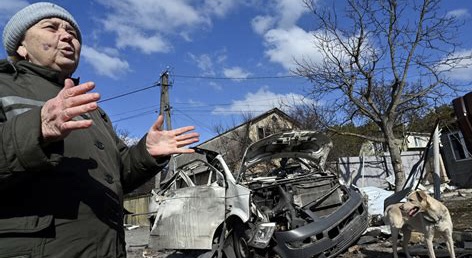

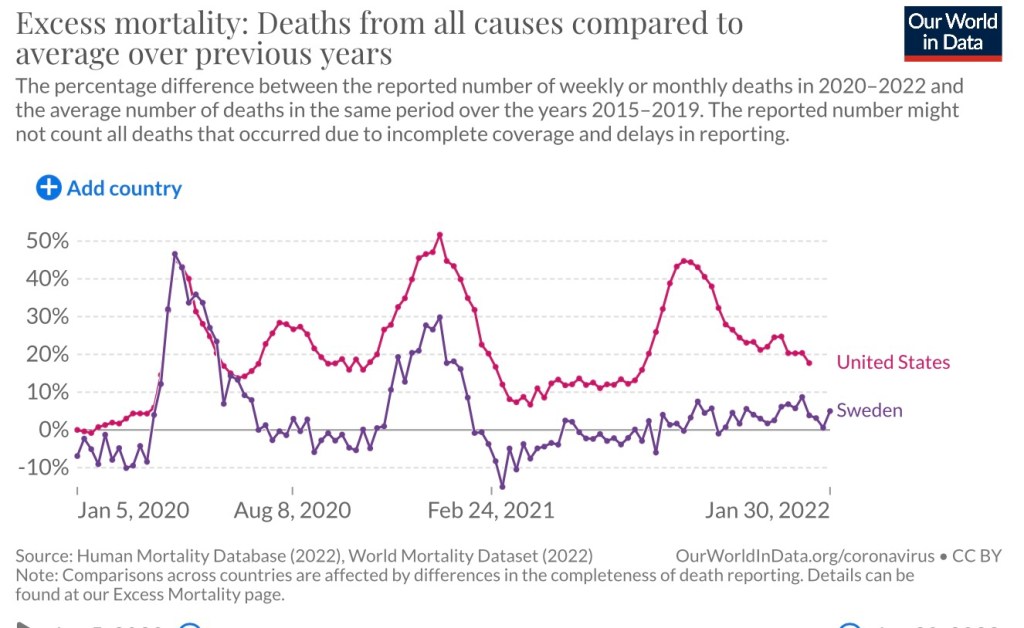
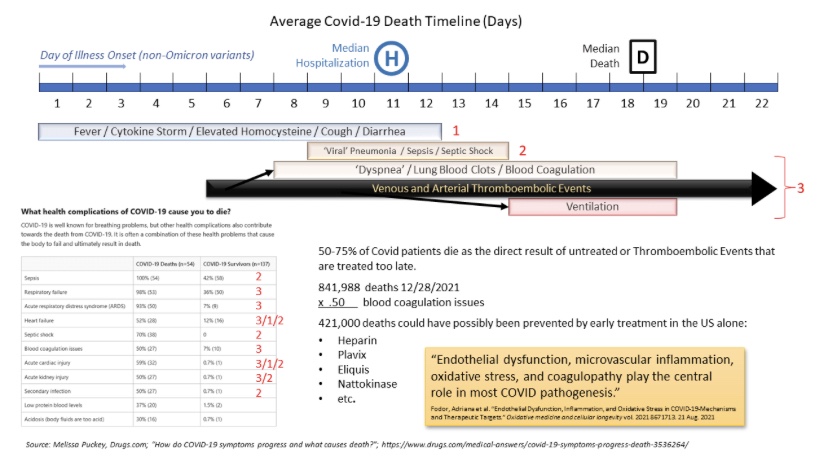
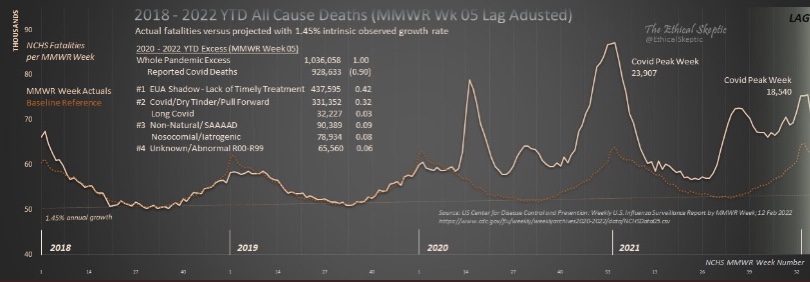
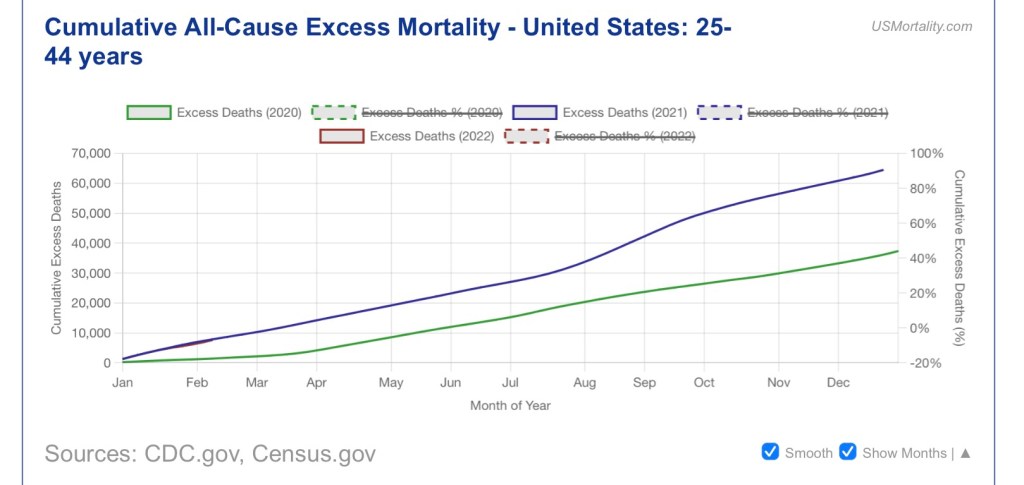
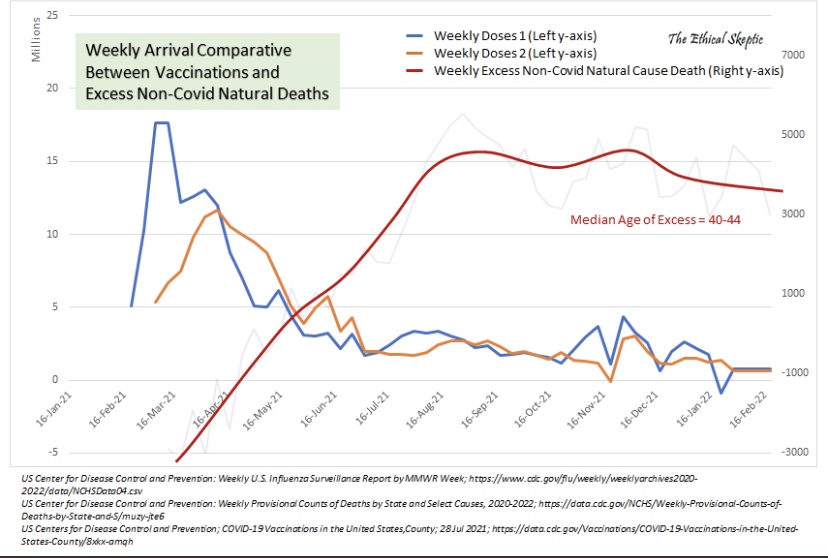
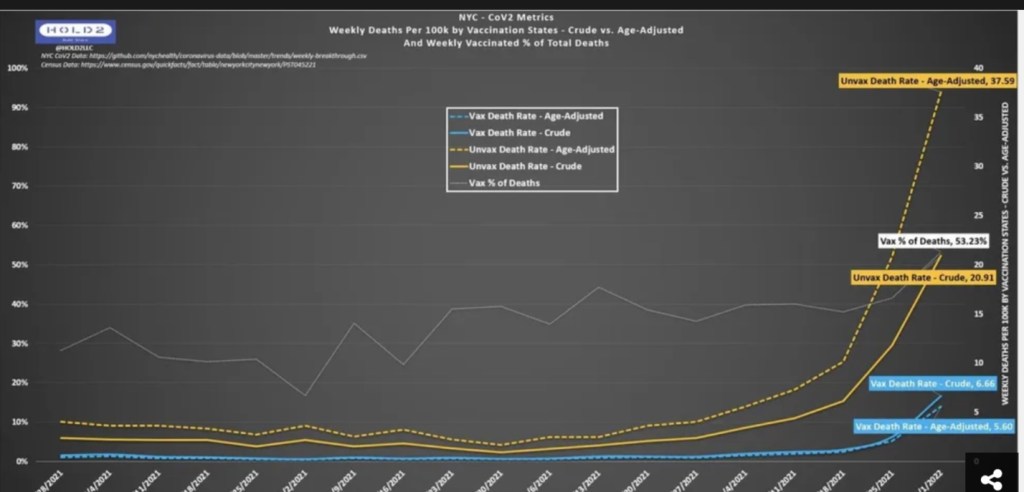
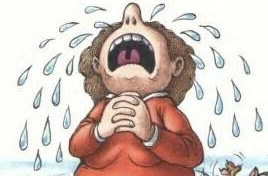

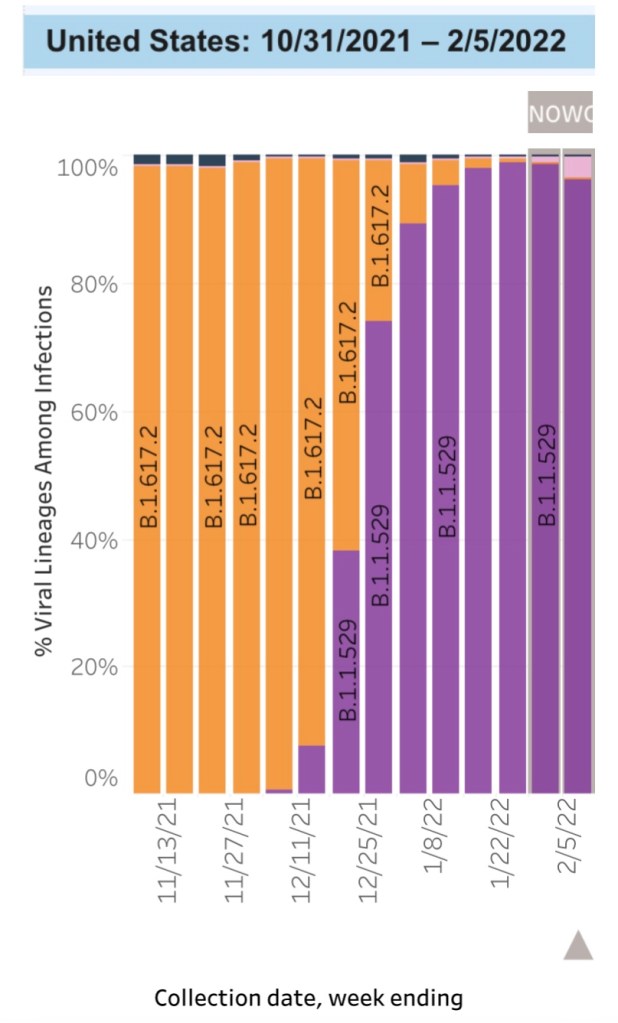
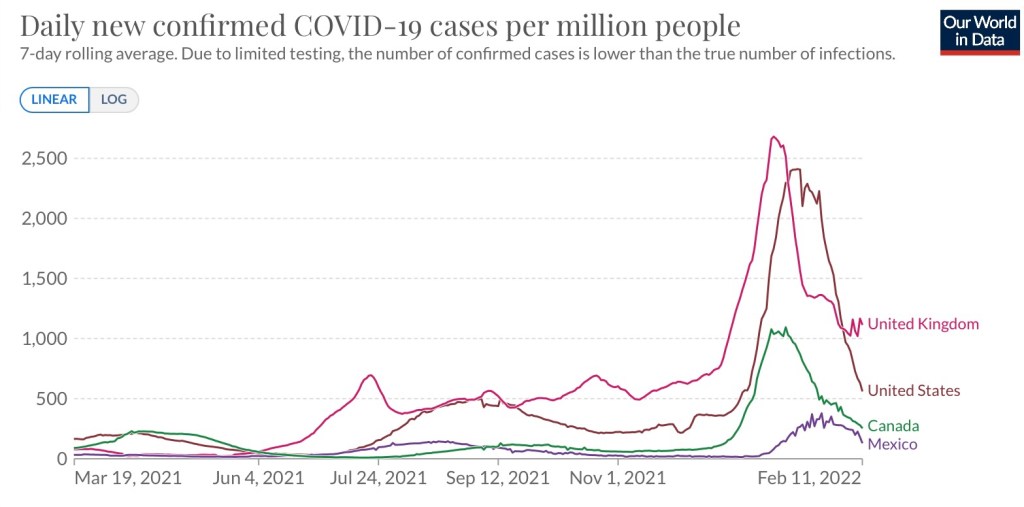
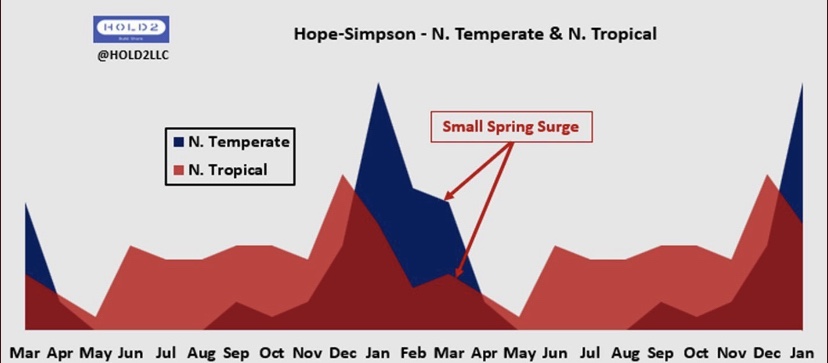
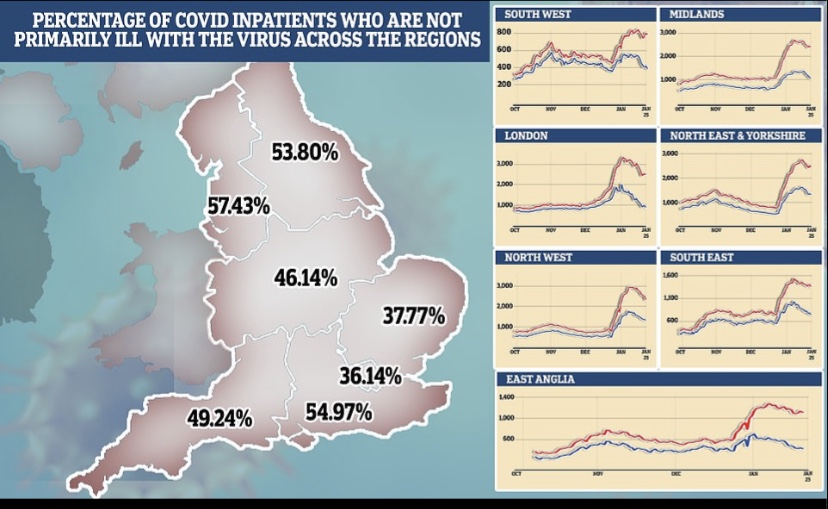
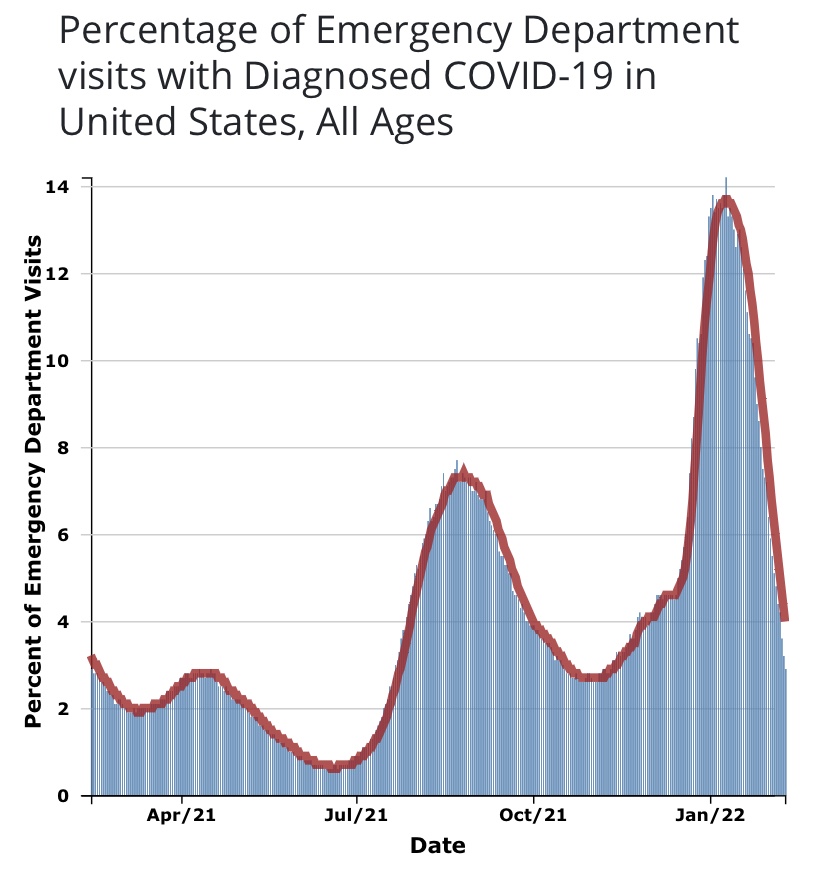
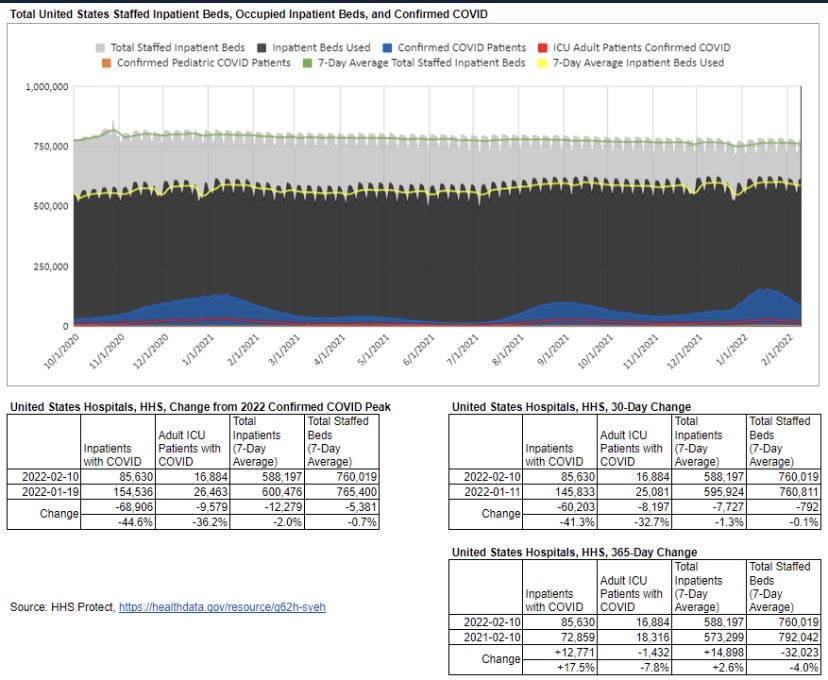
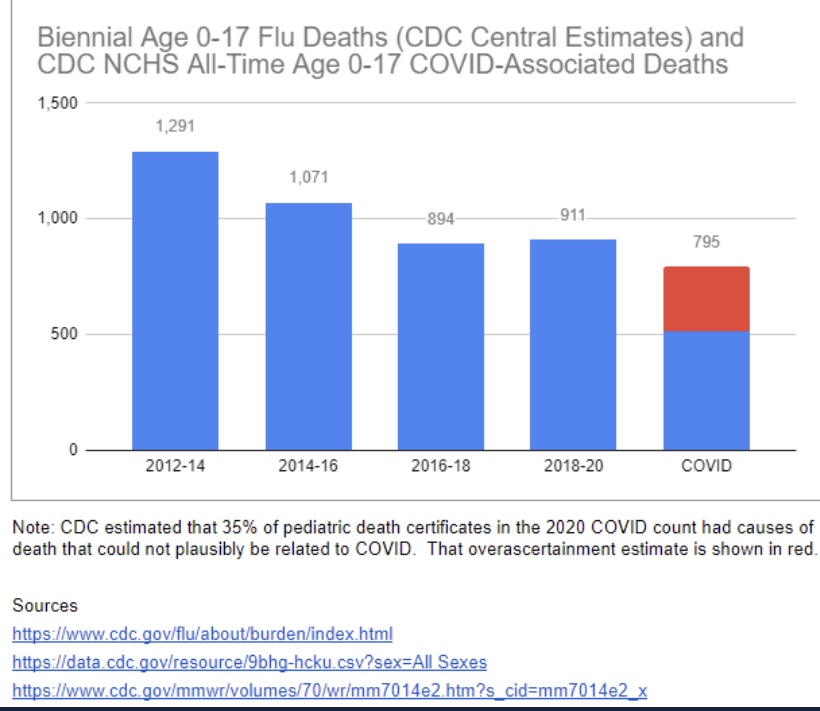
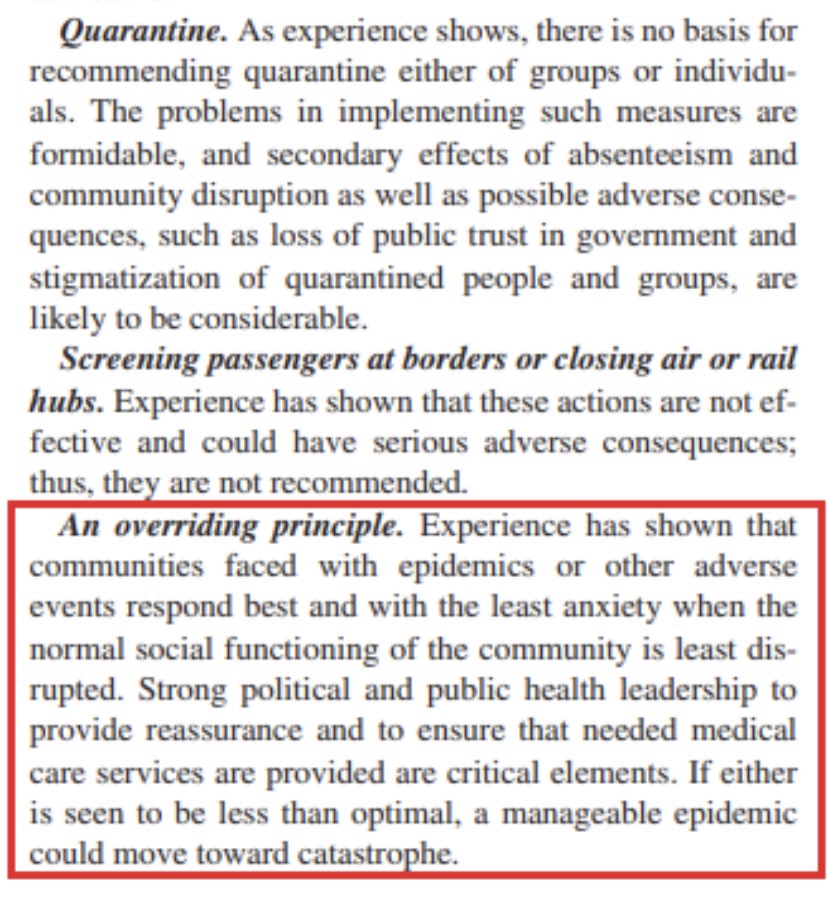

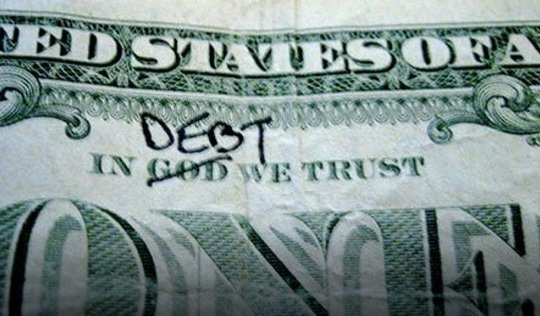
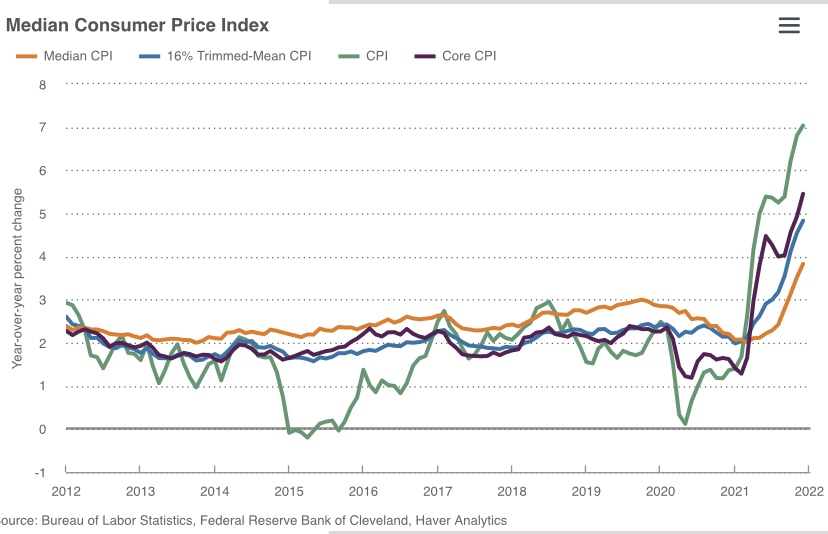
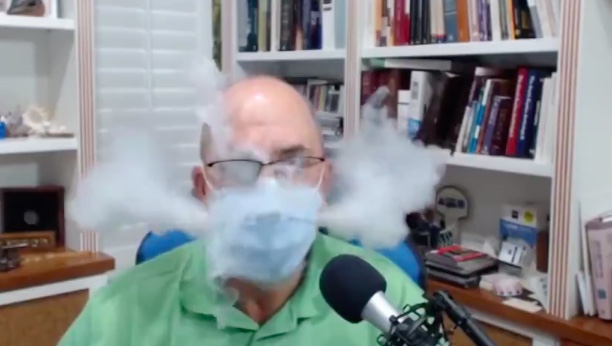
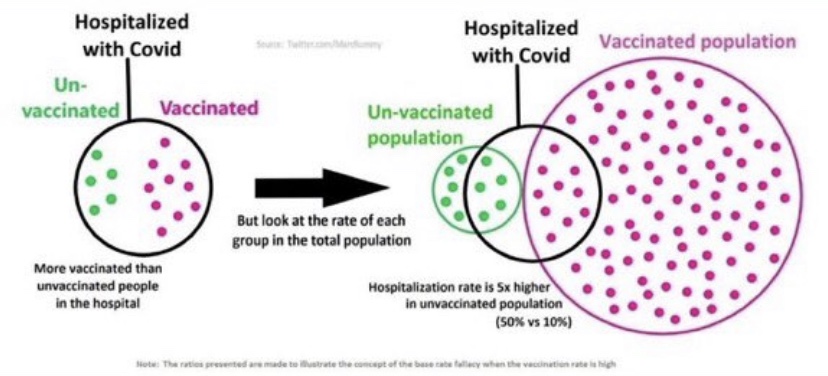
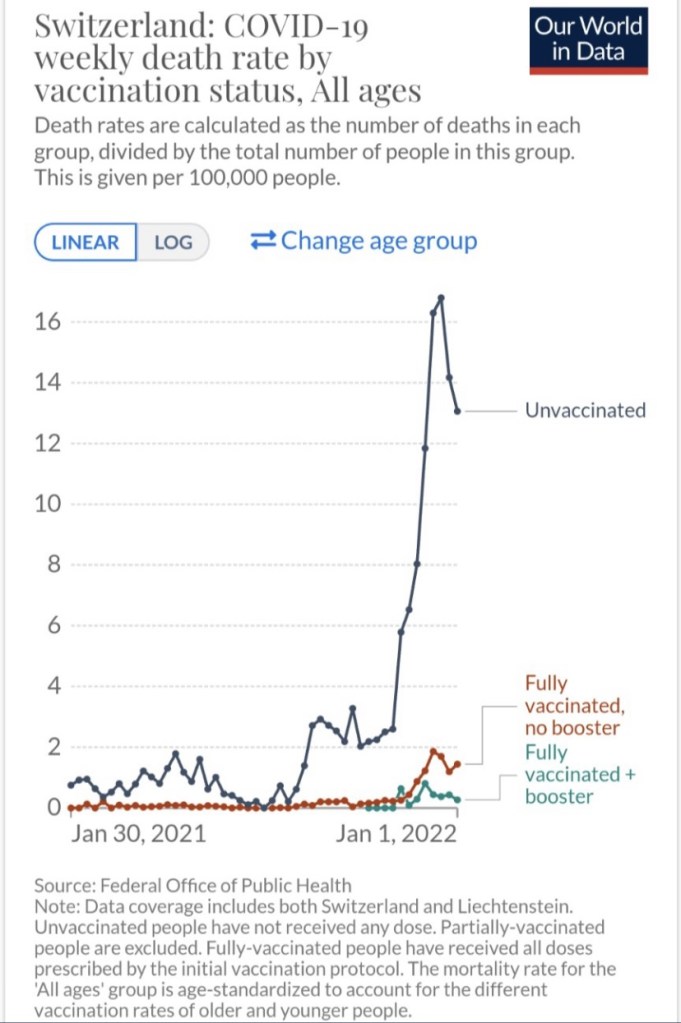
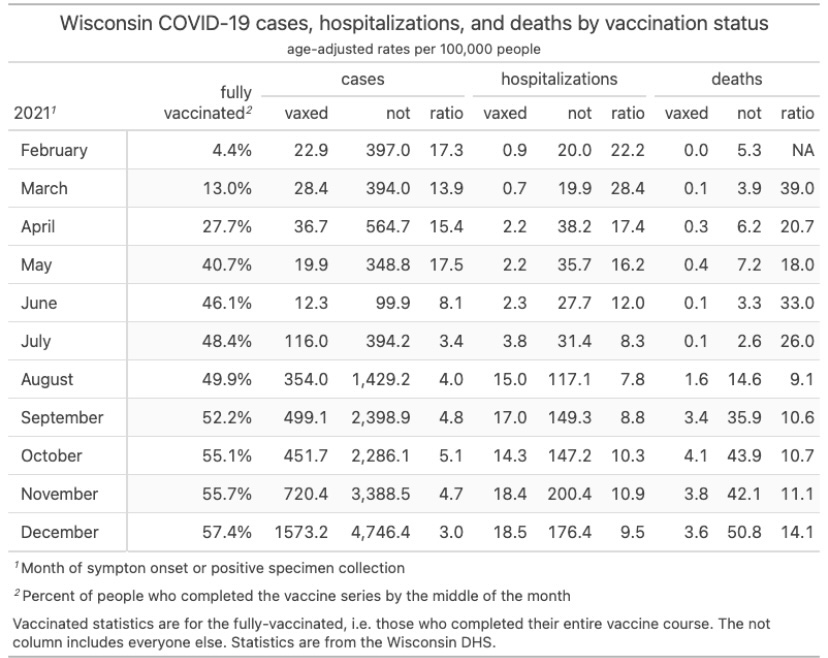
 Sacred Cow Chips