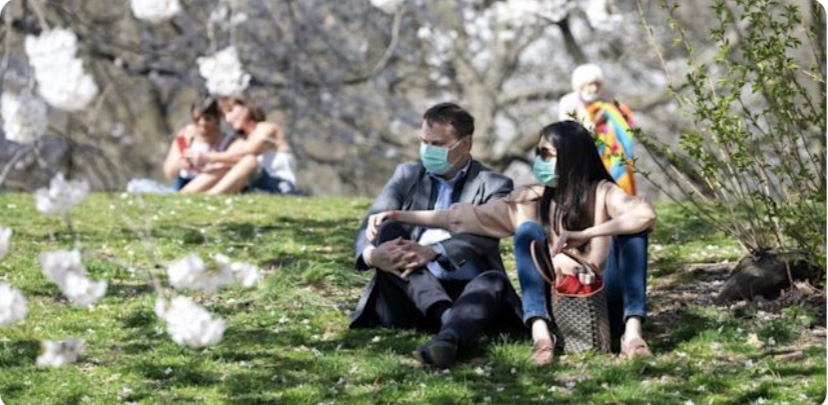
I’d just posted an article about the idiocy of masking outdoors, which included a call for an end to the confused public health messaging we’ve heard during the pandemic, when I witnessed something that made my eyes roll:
A fiftyish guy just ahead of me is wearing a mask, walking from the beach toward a public pavilion where there are restrooms. He is barefoot…. and he enters the men’s room and steps right up to the row of urinals. He leaves the restroom without washing his hands.
Perhaps he’s not quiteDarwin Award material, but I ask: do you think this guy’s precautions against potential pathogens and disease vectors were well balanced? It’s not terribly uncommon to see “moisture” or even shallow puddles around public urinals. Don’t go barefoot! Wear flip-flops to the john, at the very least. And wash your hands when you’re done!
Amazingly, the only message related to health and hygiene that our friend has absorbed is to wear a useless mask. And he wears it at the beach! I’m sure he got around to adjusting his mask with unwashed hands at some point. I’ll cut him some slack for wearing a mask inside the restroom, but as my last post noted, that precaution is almost surely wasted effort.
It’s been clear since the beginning of the pandemic that your chance of getting infected with COVID outside is close to zero. (Also see here). Yet I still see a few masked people on the beach, in the park, on balconies, and walking in the neighborhood. Given the negligible risk of contracting COVID outdoors, the marginal benefit of masking outdoors is infinitesimal. Likewise, the benefit of a mask to the sole occupant of a vehicle is about zilch. Okay, some individuals might forget to remove their masks after leaving a “high-risk” environment. Sure, maybe, but cloth masks really don’t stop the dispersion of fine aerosols anywhere, indoors or outdoors. Of course, the immune-compromised have a reasonable excuse to apply the precautionary principle, but generally not outside with good air quality.
The following link provides a list of mask studies, and meta-studies. Several describe randomized control trials (RCTs). They vary in context, but all of them reject the hypothesis that masks are protective. Positive evidence on mask efficacy is lacking in health care settings, in community settings, and in school settings, and the evidence shows that masks create “pronounced difficulties” for young children and “emotional interference” for school children of all ages. Here’s another article containing links to more studies demonstrating the inefficacy of masks. Also see here. And this article is not only an excellent summary of the research, but it also highlights the hypocrisy of the “follow the science” public health establishment with respect to RCTs. Compliance is not even at issue in many of these studies, though if you think masks matter, it is always an issue in practice. Even studies claiming that cloth masks of the type normally worn by the public are “effective” usually concede that a large percentage of fine aerosols get through the masks… containing millions of tiny particles. In indoor environments with poor ventilation, those aerosols remain suspended in the air for periods long enough to be inhaled by others. That, in fact, is why masks are ineffective at preventing transmission.
Another dubious claim is that masks are responsible for virtually eliminating cases of influenza in 2020 and 2021. Again, to be charitable, masks are of very limited effectiveness in stopping viral transmission. Moreover, compliance has been weak at best, and areas without mask mandates have experienced the same plunge in flu cases as areas with mandates. A far more compelling explanation is that viral interference caused the steep reduction in flu incidence. The chance of being infected with more than one virus at a time is almost nil. Simply put, COVID outcompeted the flu.
Again, I grant that there are studies (though only a single randomized control trial out of India of which I’m aware) that have demonstrated significant protective effects. Even then, however, the mixed nature of this body of research does not support intrusive masking requirements.
Nevertheless, masks are still mandated in some jurisdictions. Those mandates usually don’t apply outdoors, however, and not in your own damn car! Mask mandates contribute to the general climate of fear surrounding COVID, which is wholly unjustified for most children and healthy working-age people. Public health messaging should focus on high-risk individuals: the elderly, the obese, and those having so-called comorbidities and compromised immune systems. Those groups have obvious reasons to be concerned about the virus. They have excuses to be germaphobic! Still, they are at little risk outdoors, the value of masks is doubtful, and breathing deep of fresh air is good for you in any case!
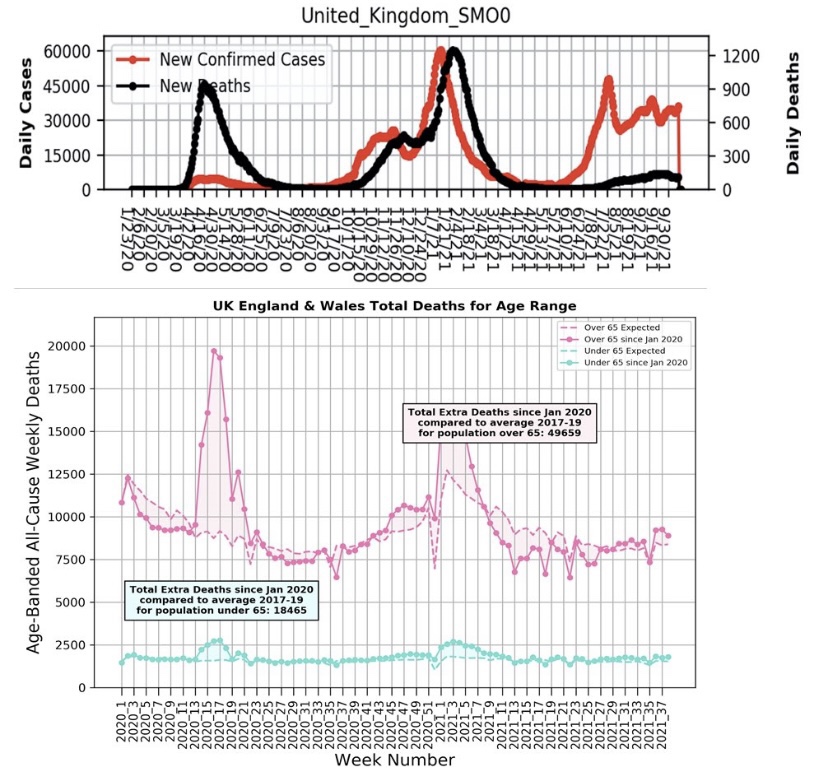
The incidence of COVID has declined substantially in many areas since early September, but the virus is now almost certainly endemic and is likely to return in seasonal waves. However, the Delta wave was far less deadly than earlier variants, a favorable trend many believe will continue. These charts from the UKposted by Michael Levitt demonstrate the improvement vividly. Perhaps the mask craze will fade away as the evidence accumulates.
The pandemic has been a moment of redemption for germaphobes, but no reasonable assessment of risk mitigation relative to the cost, inconvenience, discomfort, and psychological debasement of face jackets can prove their worth outdoors. Their value indoors is nearly as questionable. Yet there remains a stubborn reluctance by public health authorities to lift mask mandates. There are far too many individuals masking outdoors, and to be nice, perhaps it’s mere ignorance. But there are still a few would-be tyrants on Twitter presuming to shame others into joining this pathetic bit of theatre. I believe Anne Wheeler nailed it with this recent tweet:
“This is one of the first things you learn in OCD therapy – you don’t get to make people participate in your compulsions in order to lesson your own anxiety. It’s bizarre that it’s been turned into a virtue.”
There’s also no question that masks are still in vogue as a virtue signal in some circles, but a mask outdoors, especially, is increasingly viewed as a stupid-signal, and for good reason. I’ll continue to marvel at the irrationality of these masked alarmists, who just don’t understand how foolish they look. Give yourself permission to get some fresh air!
I was vaccinated in March and early April and I’m damn glad to have done it. I have certain co-morbidities, and I’m of an age at which contracting COVID seems like a very bad idea, I felt a little run-down on the day after my second jab, but that was my only side effect, notwithstanding the unending litany of antivax hysterics to which we’ve all been subjected (even on certain sites to which I contribute).
Freedom Without Misinformation
In the context of the pandemic, it’s important to take a stand for liberty. In that spirit, I oppose the imposition of mandates requiring face masks and vaccinations against COVID. Furthermore, vaccination is at best unnecessary for those having acquired immunity from infection and for those at low risk, especially children. In fact, the younger, healthier, and fitter you are, the less important it is to be vaccinated.
It’s disappointing, however, to see completely innumerate people cite statistics purporting to show that COVID-19 vaccines are deadly or even particularly dangerous to those lacking contra-indications. Far worse, and far more idiotic, is to suggest that a conspiracy is afoot to kill large numbers of people via vaccination! I’m truly embarrassed to hear individuals who otherwise share my libertarian ideals say such irresponsible bullshit.
While the COVID vaccines seem to have more frequent side effects than earlier vaccines, they are not particularly risky. I’ll discuss the safety of the COVID vaccines in what follows. Even minuscule risks are unacceptable to some individuals, which of course is their right. However, others find these risks acceptable considering the far greater dangers posed by the early strains of COVID and even the more recent but less deadly Delta variant.
Unverified Adverse Events
The vaccine scaremongers often quote statistics from the CDC’s Vaccine Adverse Reporting Events System (VAERS).Here’s a disclaimer about the system from the CDC’s web site:
“Healthcare providers, vaccine manufacturers, and the public can submit reports to VAERS. While very important in monitoring vaccine safety, VAERS reports alone cannot be used to determine if a vaccine caused or contributed to an adverse event or illness. The reports may contain information that is incomplete, inaccurate, coincidental, or unverifiable.”
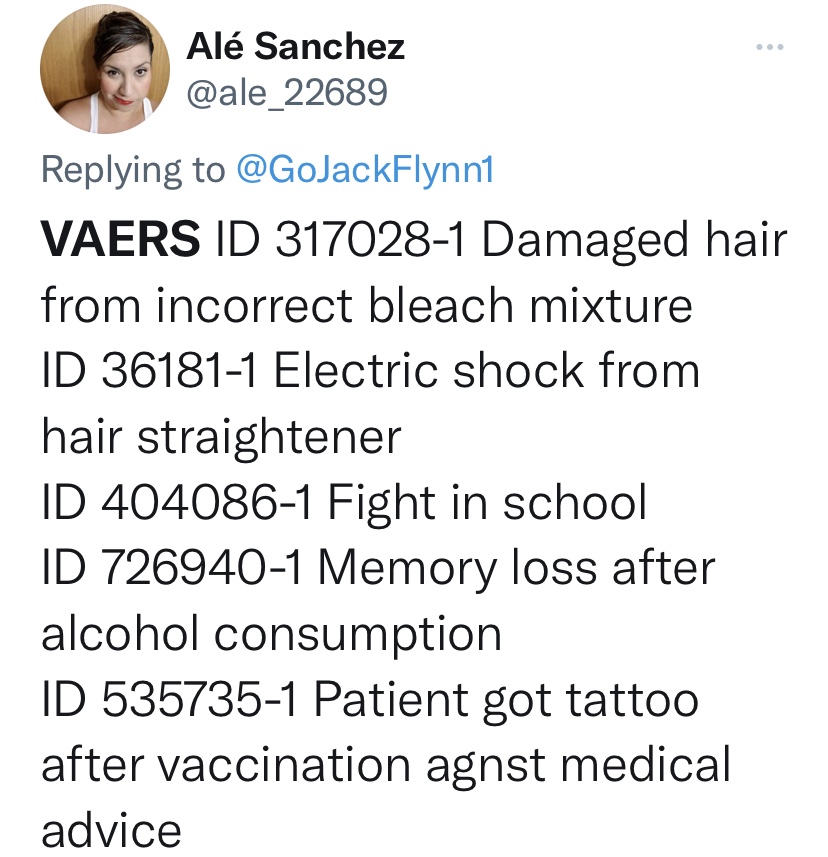
All kinds of reports are submitted alleging adverse events. For example, one observer cites the following reports from the system:
The link above refers to the following report as “Hulk Syndrome”, which was alleged to have been a side effect of the MMR vaccine:
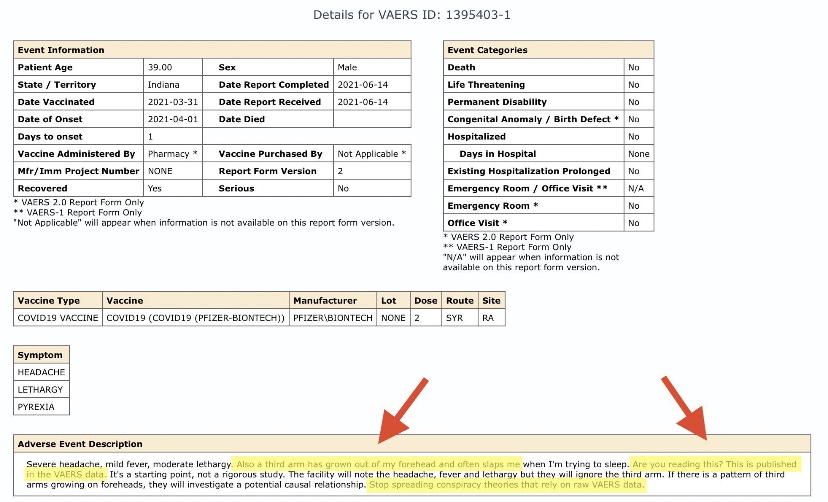
Finally, we have this report related to the Pfizer COVID vaccine:
In case that’s hard to read, it claims that a COVID vaccine caused a third arm to grow from the reporting individual’s forehead, which constantly slaps him or her while trying to sleep. This report is a case of wonderful sarcasm, but it was submitted to VAERS! The real lesson is that the VAERS system collects many unverified accounts of side effects, so the aggregate counts of adverse events are not reliable, even by the CDC’s admission.
A More Sober Risk Assessment
Therefore, the VAERS system has obvious limitations. But even stipulating the use of VAERS reports, the risks of the COVID vaccines are vanishingly low. For example, roughly 198 million people in the U.S. have received at least one dose of a vaccine. As of last week, there had been about 13,600 reports of post-vaccination death in VAERS. The raw number is very high, and I don’t wish to minimize the seriousness of those losses. Nevertheless, if those deaths were all attributable to vaccination, and that is a BIG “if”, the risk of death from vaccination to-date is just 0.007%. That is seven thousandth of 1%.
To put those VAERS deaths into perspective, I should first add the caveat that I am highly skeptical of the COVID case and death statistics. Nevertheless, let’s take the official U.S. COVID death toll of 646,000 at face value. I’m also treating reported vaccine deaths from VAERS at face value, which is a huge stretch. So, we have COVID mortality of 0.2% of the U.S. population, which is more than 28 times the risk of death from vaccination. I grant you the risk posed by COVID is lower going forward than in the past, which is due both to vaccinations and the declining virulence of the virus itself.
There are a range of vaccine side effects reported in VAERS, from pain near the injection site to such alarming conditions as anaphylaxis, Bell’s Palsy, and myocarditis/pericarditis. VAERS would attribute over 54,000 hospitalizations to the vaccines, a rate of 3 hundredths of one percent of those receiving at least one dose. Like COVID deaths, the number of COVID hospitalizations is likely inflated. Still, at 1.9% of the U.S. population, the risk of hospitalization from COVID is 68 times that of hospitalization from vaccine side effects reported in VAERS.
A large share of VAERS reports, covering all adverse events, are from middle aged individuals. It’s unclear how concentrated that reporting is among those with co-morbidities, including obesity, but I suspect they are heavily represented.
Coincidental Events
Perhaps less obvious is that many sincere reports to VAERS from both the public and health care providers represent coincidental events. A number of states have given heavy vaccine priority to the elderly and those with co-morbidities, and demand from those groups has been disproportionate in any case. Most of the VAERS-reported deaths also happen to be among the elderly and co-morbids.
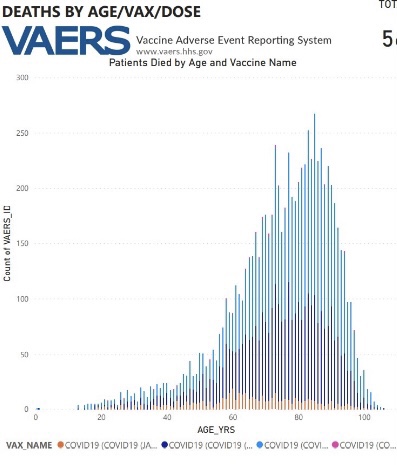
For example, more than 38% of VAERS death reports come from the 80+ age cohort, accounting for roughly 5,200 deaths. That’s four hundredths of one percent of the 12.9 million people of ages 80+ in the U.S., most of whom have been vaccinated. Well over 1.2 million 80+ year-olds can be expected to die each year under normal circumstances. That a few would occur within days, weeks, or months of a vaccination should be expected. Furthermore, it would not be surprising, given the controversy surrounding vaccines and the suggestive power of antivax propaganda, for families or some caregivers to imagine a connection between vaccination and subsequent death. File a report! Who knows? Perhaps a class action award might be in it someday.
This is not to deny that a small number of individuals could be in such weakened states, or perhaps have unknown vulnerabilities, that the vaccines have catastrophic consequences. No doubt there are a few deaths precipitated by COVID vaccines in combination with other conditions. However, a large share of the deaths reported to VAERS are likely to have been coincidental. Likewise, people develop conditions all the time… sore joints, rashes, coughs, and headaches. It runs the gamut. Some of the VAERS reports of a less serious nature are undoubtedly coincidental, and perhaps some are due to the vivid imaginations of a subset of those having consented to the vaccine with great reluctance.
What Kills and What Doesn’t
Everything comes with a risk, and tradeoffs between risks must be balanced. The COVID pandemic was deadly, and I’ll be the first to admit that I underestimated its potential to kill. However, its deadliness was magnified by the non-pharmaceutical interventions imposed in many jurisdictions. Lockdowns and closures took a massive toll on the health of the population, cutting short many lives due to economic and personal despair as well as deferred and cancelled health care. While those interventions were deadly, I do not believe that kind of harm was intended. I do suspect the concomitant assault on liberty was welcomed in certain circles.
There are certainly downsides to the COVID vaccines. There have been more side effects and deaths than have ever been reported relative to earlier vaccines. It’s also a shame that public health authorities refuse to recognize the superior effects of natural immunity and the heightened risk of vaccinations to those with prior infections. And it’s a travesty that “vaccine passports” are now being demanded for various forms of travel, entertainment, and entry to some places of business. Despite these issues, it’s blatantly false to assert that the vaccines are generally harmful. Many more of the remaining vaccine-hesitant can benefit from vaccination. Let’s advocate for better assessments of risk by age and co-morbidity, and simply avoid the vaccines if that is your preference.
Addendum: I just came across this nice piece entitled “A Statistical Analysis of COVID-19 Breakthrough Infections and Deaths“. I thought I should share the link in case anyone supposes that so-called breakthrough infections somehow invalidate some of the comparisons I made above. This chart is particularly revealing:
If this post has an overarching theme, it might be “just relax”! That goes especially for those inclined to prescribe behavioral rules for others. People can assess risks for themselves, though it helps when empirical information is presented without bias. With that brief diatribe, here are a few follow-ups on COVID vaccines, the Delta wave, and the ongoing “mask charade”.
Israeli Vax Protection
Here is Jeffrey Morris’ very good exposition as to why the Israeli reports of COVID vaccine inefficacy are false. First, he shows the kind of raw data we’ve been hearing about for weeks: almost 60% of the country’s severe cases are in vaccinated individuals. This is the origin of the claim that the vaccines don’t work.
Next, Morris notes that 80% of the Israeli population 12 years and older are vaccinated (predominantly if not exclusively with the Pfizer vaccine). This causes a distortion that can be controlled by normalizing the case counts relative to the total populations of the vaccinated and unvaccinated subgroups. Doing so shows that the unvaccinated are 3.1 times more likely to have contracted a severe case than the vaccinated. Said a different way, this shows that the vaccines are 67.5% effective in preventing severe disease. But that’s not the full story!
Morris goes on to show case rates in different age strata. For those older than 50 (over 90% of whom are vaccinated and who have more co-morbidities), there are 23.6 times more severe cases among the unvaccinated than the vaccinated. That yields an efficacy rate of 85.2%. Vaccine efficacy is even better in the younger age group: 91.8%.
These statistics pertain to the Delta variant. However, it’s true they are lower than the 95% efficacy rate achieved in the Pfizer trials. Is Pfizer’s efficacy beginning to fade? That’s possible, but this is just one set of results and declining efficacy has not been proven. Israel’s vaccination program got off to a fast start, so the vaccinated population has had more time for efficacy to decay than in most countries. And as I discussed in an earlier post, there are reasons to think that the vaccines are still highly protective after a minimum of seven months.
Biden Boosters
IIn the meantime, the Biden Administration has recommended that booster shots be delivered eight months after original vaccinations. There is empirical evidence that boosters of similar mRNA vaccine (Pfizer and Moderna) might not be a sound approach, both due to side effects and because additional doses might reduce the “breadth” of the antibody response. We’ll soon know whether the first two jabs are effective after eight months, and my bet is that will be the case.
Is Delta Cresting?
Meanwhile, the course of this summer’s Delta wave appears to be turning a corner. The surge in cases has a seasonal component, mimicking the summer 2020 wave as well as the typical Hope-Simpson pattern, in which large viral waves peak in mid-winter but more muted waves occur in low- to mid-latitudes during the summer months.
Therefore, we might expect to see a late-summer decline in new cases. There are now 21 states with COVID estimated reproduction rates less than one (this might change by the time you see the charts at the link). In other words, each new infected person transmits to an average of less than one other person, which shows that case growth may be near or beyond a peak. Another 16 states have reproduction rates approaching or very close to one. This is promising.
Maskholes
Finally, I’m frustrated as a resident of a county where certain government officials are bound and determined to impose a mask mandate, though they have been slowed by a court challenge. The “science” does NOT support such a measure: masks have not been shown to mitigate the spread of the virus, and they cannot stop penetration of aerosols in either direction. This recent article in City Journal by Jeffrey H. Anderson is perhaps the most thorough treatment I’ve seen on the effectiveness of masks. Anderson makes this remark about the scientific case made by mask proponents:
“Mask supporters often claim that we have no choice but to rely on observational studies instead of RCTs [randomized control trials], because RCTs cannot tell us whether masks work or not. But what they really mean is that they don’t like what the RCTs show.”
Oh, how well I remember the “follow-the-science” crowd insisting last year that only RCTs could be trusted when it came to evaluating certain COVID treatments. In any case, the observational studies on masks are quite mixed and by no means offer unequivocal support for masking.
The vaccines are still effective. Data purporting to show otherwise fails to account for the most obvious of confounding influences: vaccination rates and age effects. In fact, the Biden Administration has made a rather arbitrary decision about the durability of vaccine effects by recommending booster shots after eight months. The highly transmissible Delta variant has struck quickly but the wave now shows signs of cresting, though that is no guarantee for the fall and winter season. However, Delta cases have been much less severe on average than earlier variants. Masks did nothing to protect us from those waves, and they won’t protect us now. I, for one, won’t wear one if I can avoid it.
My last post had a simple message about the meaning of immunity: you won’t get very sick or die from an infection to which you are immune, including COVID-19. Like any other airborne virus, that does NOT mean you won’t get it lodged in your eyeballs, sinuses, throat, or lungs. If you do, you are likely to test positive, though your immunity means the “case” is likely to be inconsequential.
As noted in that last post, we’ve seen increasing COVID case counts with the so-called Delta variant, which is more highly transmissible than earlier variants. (This has been abetted by an uncontrolled southern border as well.) However, as we’d expect with a higher level of immunity in the population, the average severity of these cases is low relative to last year’s COVID waves. But then I saw this article in ScienceAlert quoting Sir Andrew Pollard, a scientist affiliated AstraZeneca and the University of Oxford. He says with Delta, herd immunity “is not a possibility” — everyone will get it.
Maybe everyone will, but that doesn’t mean everyone will get sick. His statement raises an obvious question about the meaning of herd immunity. If our working definition of the term is that the virus simply disappears, then Pollard is correct: we know that COVID is endemic. But the only virus that we’ve ever completely eradicated is polio. Would Pollard say we’ve failed to achieve herd immunity against all other viruses? I doubt it. Endemicity and herd immunity are not mutually exclusive. The key to herd immunity is whether a virus does or does not remain a threat to the health of the population generally.
Active COVID infections will be relatively short-lived in individuals with “immunity”. Moreover, viral loads tend to be lower in immune individuals who happen to get infected. Therefore, the “infected immune” have less time and less virus with which to infect others. That creates resistance to further contagion and contributes to what we know as herd immunity. While immune individuals can “catch” the virus, they won’t get sick. Likewise, a large proportion of the herd can be immune and still catch the virus without getting sick. That is herd immunity.
One open and controversial question is whether uninfected individuals will require frequent revaccination to maintain their immunity. A further qualification has to do with asymptomatic breakthrough infections. Those individuals won’t see any reason to quarantine, and they may unwittingly transmit the virus.
I also acknowledge that the concept of herd immunity is often discussed strictly in terms of transmission, or rather its failure. The more contagious a new virus, like the Delta variant, the more difficult it is to achieve herd immunity. Models predicting low herd immunity thresholds due to heterogeneity in the population are predicated on a given level of transmissibility. Those thresholds would be correspondingly higher given greater transmissibility.
A prominent scientist quoted in this article is Paul Hunter of the University of East Anglia. After backing-up Pollard’s dubious take on herd immunity, Hunter drops this bit of real wisdom:
“We need to move away from reporting infections to actually reporting the number of people who are ill. Otherwise we are going to be frightening ourselves with very high numbers that don’t translate into disease burden.”
Here, here! Ultimately, immunity has to do with the ability of our immune systems to fight infections. Vaccinations, acquired immunity from infections, and pre-existing immunity all reduce the severity of later infections. They are associated with reductions in transmission, but those immune responses are more basic to herd immunity than transmissability alone. Herd immunity does not mean that severe cases will never occur. In fact, more muted seasonal waves will come and go, inflicting illness on a limited number of vulnerables, but most people can live their lives normally while viral reproduction is contained. Herd immunity!
Sadly, we’re getting accustomed to hearing misstatements and bad information from public health officials on everything from mask mandates, lockdowns, and school closings to hospital capacity and vaccine hesitancy. Dr. Pollard’s latest musing is not unique in that respect. It’s almost as if these “experts” have become victims of their own flawed risk assessments insofar as their waning appeal to “the herd” is concerned. Professor Hunter’s follow-up is refreshing, however. Public health agencies should quit reporting case counts and instead report only patients who present serious symptoms, COVID ER visits, or hospitalizations.
Listen very carefully: immunity does NOT mean you won’t get COVID, though an infection is less likely. Immunity simply means your immune system will be capable of dealing with an infection successfully. This is true whether the immunity is a product of vaccination or a prior infection. Immunity means you are unlikely to have worse than mild symptoms, and you are very unlikely to be hospitalized. (My disclaimer: I am opposed to vaccine mandates, but vaccination is a good idea if you’ve never been infected.)
I emphasize this because the recent growth in case numbers has prompted all sorts of nonsensical reactions. People say, “See? The vaccines don’t work!” That is a brazenly stupid response to the facts. Even more dimwitted are claims that the vaccines are killing everyone! Yes, there are usually side effects, and the jabs carry a risk of serious complications, but it is minuscule.
Vaccine Efficacy
Right out of the gate, we must recognize that our PCR testing protocol is far too sensitive to viral remnants, so the current surge in cases is probably exaggerated by false positives, as was true last year. Second, if a large share of the population is vaccinated, then vaccinated individuals will almost certainly account for a large share of infected individuals even if they have a lower likelihood of being infected. It’s simple math, as this explanation of base rate bias shows. In fact, according to the article at the link:
“… vaccination confers an eightfold reduction in the risk of getting infected in the first place; a 25-fold reduction in risk of getting hospitalized; and a 25-fold reduction in the risk for death.”
The upshot is that if you are vaccinated, or if you have acquired immunity from previous exposure, or if you have pre-existing immunity from contact with an earlier COVID strain, you can still “catch” the virus AND you can still spread it. Both are less likely, and you don’t have as much to worry about for your own health as those having no immunity.
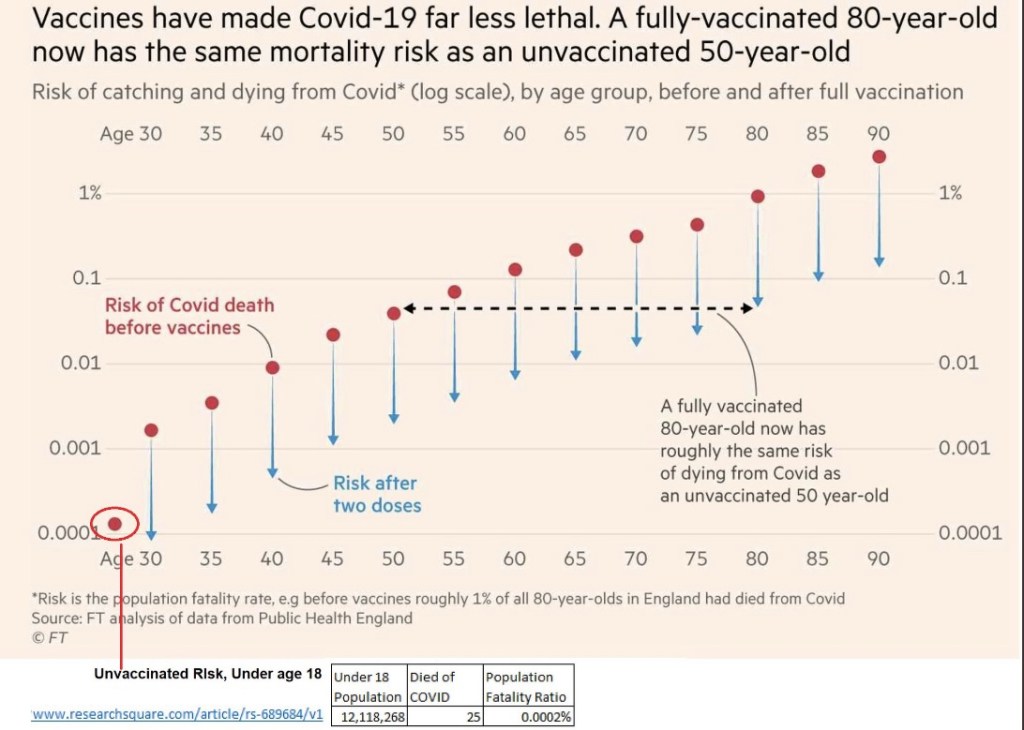
As for overall vaccine efficacy in preventing death, here are numbers from the UK, courtesy of Phil Kerpen:
The vertical axis is a log scale, so each successive gridline is a fatality rate 100x as large as the one below it. Obviously, as the chart title asserts, the “vaccines have made COVID-19 far less lethal.” Also, at the bottom, see the information on fatality among children under age 18: it is almost zero! This reveals the absurdity of claims that children must be masked for schools to reopen! In any case, masks offer little protection to anyone against a virus that spreads via fine aerosols. Nevertheless, many school officials are pushing unnecessary but politically expedient masking policies
Delta
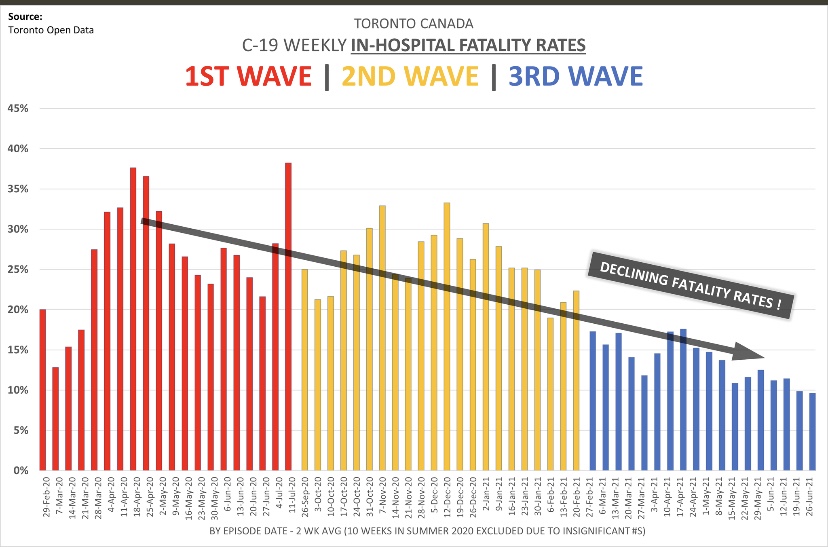
Ah, but we have the so-called Delta variant, which is now dominant and said to be far more transmissible than earlier variants. Yet the Delta variant is not as dangerous as earlier strains, as this UK report demonstrates. Delta had a case fatality rate among unvaccinated individuals that was at least 40% less than the so-called Alpha variant. This is a typical pattern of virus mutation: the virus becomes less dangerous because it wants to survive, and it can only survive in the long run by NOT killing its hosts! The decline in lethality is roughly demonstrated by Kelly Brown with data on in-hospital fatality rates from Toronto, Canada:
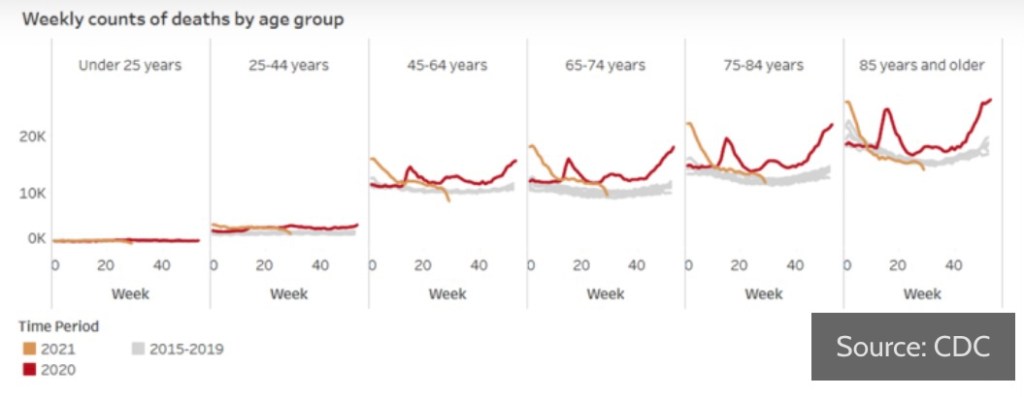
The case numbers in the U.S. have been climbing over the past few weeks, but as epidemiologist Larry Brilliant of WHO said recently, Delta spreads so fast it essentially “runs out of candidates.” In other words, the current surge is likely to end quickly. This article in Issues & Insights shows the more benign nature of recent infections. I think a few of their charts contain biases, but the one below on all-cause mortality by age group is convincing:
The next chart from Our World In Data shows the infection fatality rate continuing its decline in the U.S. The great majority of recent infections have been of the Delta variant, which also was much less virulent in the UK than earlier variants.
There have been questions about whether the effectiveness of the vaccines is waning, which is behind much of the hand-wringing about booster shots. For example, Israeli health officials are insisting that the effectiveness of vaccines is “fading”, though I’ll be surprised if there isn’t some sort of confounding influence on the data they’ve cited, such as age and co-morbidities.
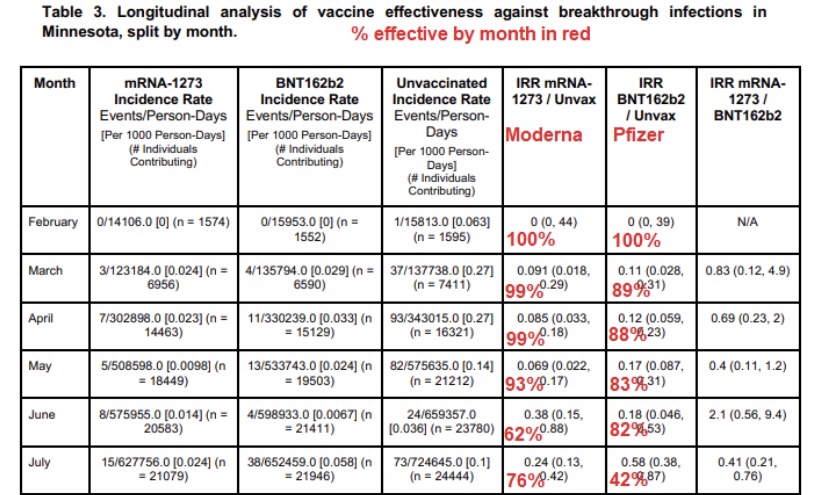
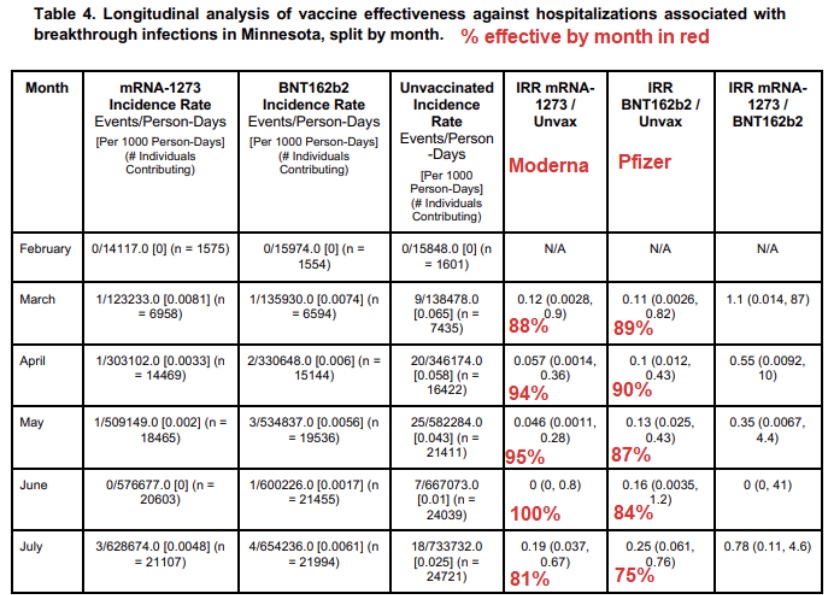
Here is a new Mayo Clinic study of so-called “breakthrough” cases in the vaccinated population in Minnesota. It essentially shows that the rate of case diagnosis among the vaccinated rose between February and July of this year (first table below, courtesy of Phil Kerpen). However, the vaccines appear only marginally less effective against hospitalization than in March (second table below).
The bulk of the vaccinated population in the U.S. received their jabs three to six months ago, and according to this report, evidence of antibodies remains strong after seven months. In addition, T-cell immunity may continue for years, as it does for those having acquired immunity from an earlier infection.
Breakthroughs
It’s common to hear misleading reports of high numbers of “breakthrough” cases. Not only will these cases be less menacing, but the reports often exaggerate their prevalence by taking the numbers out of context. Relative to the size of the vaccinated population, breakthrough cases are about where we’d expect based on the original estimates of vaccine efficacy. This reporton Massachusetts breakthrough hospitalizations and deaths confirms that the most vulnerable among the vaxed population are the same as those most vulnerable in the unvaxed population: elderly individuals with comorbidities. But even that subset is at lower risk post-vaccination. It just so happens that the elderly are more likely to have been vaccinated in the first place, which implies that the vaccinated should be over-represented in the case population.
Conclusion
The COVID-19 vaccines do what they are supposed to do: reduce the dangers associated with infection. The vaccines remain very effective in reducing the severity of infection. However, they cannot and were not engineered to prevent infection. They also pose risks, but individuals should be able to rationally assess the tradeoffs without coercion. Poor messaging from public health authorities and the crazy distortions promoted in some circles does nothing to promote public health. Furthermore, there is every reason to believe that the current case surge in Delta infections will be short-lived and have less deadly consequences than earlier variants.
A few years ago a guy clicked through to this blog from a social media site. Apparently he made a quick retreat, and he left the following comment: “Ohh, too many words….” It’s not a revelation to me, but it’s amazing how few people are willing to READ!
My nephew, who is something of a political activist and has a news site of his own, put his finger on it last year. In a piece I’d written about pandemic issues, I used a cover photo of a graph illustrating one of my main points, as I do sometimes when empirics are involved. I’m paraphrasing, but he said I shouldn’t use graphs as covers because it scares off potential readers. It says, “if you click through you’ll have to think!” But I have no ambitions to be a mass sensation, and as a reader of blogs I tend to regard such devices positively. On the other hand, if a picture is worth a thousand words, there’s a chance that good thinkers gather in what they presume they need to know without clicking through. That’s almost as bad from my perspective, because I want to give them the thousand words anyway!
Here’s a similar phenomenon: occasionally I’ll use a meme as a cover photo for a blog post, but some people “like” the post solely because of the meme without bothering to click through! I’m glad we’re simpatico, but I’d prefer they read the post. I view that kind of reaction as lazy or the act of an easily distracted individual.
I have no interest in writing for people who don’t want to think, but the rub lies in finding those that do. I have a full time job, so producing more content is not an option. I’m not affiliated with a well-known publication or an institution with a significant presence on the web. My readers come from the WordPress community, search engines, and a few social media sites to which I cross-post. Occasionally, if the subject matter is pertinent, I post comments to articles on other blogs and link to one of my posts. That brings in a few views, and those visitors have a definite interest in the subject matter.
Social media sites would seem to be a natural channel for readers, but of course they are jam-packed with memes. Some of those are very good and some are very funny. Some are surely worth a thousand words, but I quickly develop “meme fatigue”. And both good memes and bad memes seem to be reposted ad infinitum.
Simplification and humor are major elements of “meme art”, and I would describe the best of it as such. The ability to simplify is likewise one of the greatest skills an economist can possess, so I respect it. In fact, I like to call economics formalized common sense, but that formalization must happen within an expository framework. Many of my posts are mere commentary, but I like a somewhat deeper dive than the meme form can accommodate. If I get excited about a topic and immerse myself, blogging gives me an opportunity to do some research and explain my point of view while doing my best to apply economic thinking. Moreover, I like to write. Unfortunately, I’m not all that funny, but sometimes I try.
I’m frequently disappointed to see memes I view as extremist, distorted, shallow or over-simplified. For example, I’m no fan of critical race theory, but it’s not fiction to say that racist memes sometimes appear on social media, which prompts me to block the poster immediately.
I scroll through a few memes each day, but I spend more time checking the other blogs I frequent, where I find gobs of interesting reading material. I join groups related to my musical interests, which offer great recordings. I occasionally watch video commentary, but prefer the written form. I have friends who send me lonnnng videos, but I wish they’d send transcripts instead. A two-hour video is not a commitment I’m usually willing to make!
There are many who say blogging is passé, and apparently many don’t have the patience to read lengthier treatments. It’s still the form I prefer, despite the difficulty of battling for eyeballs with memes. But that’s not quite right: there’s really no battle when it comes to those without interest in detailed treatments of issues. The real battles have to do with finding motivated and patient users with common interests and getting more favorable placement on biased search engines. Good content is also key, but that challenge is part of the joy of blogging.
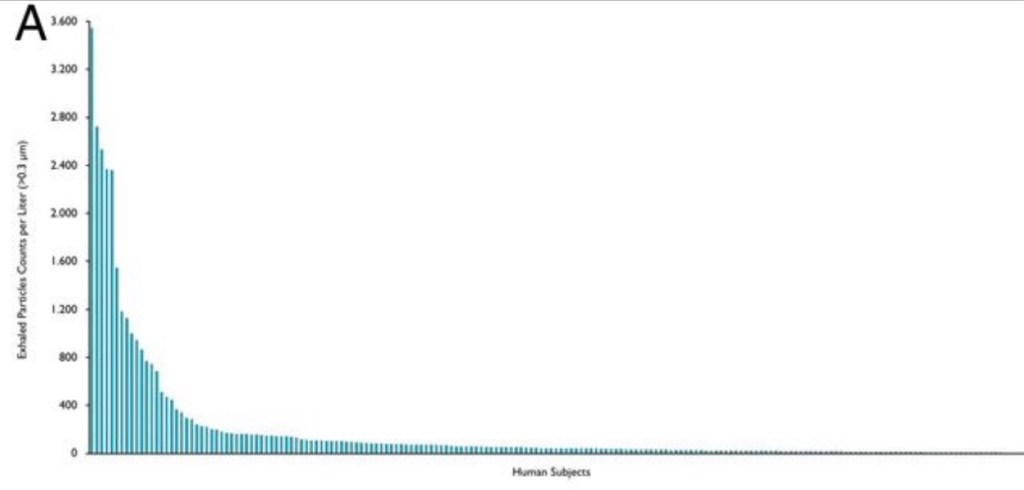
Super-spreading events are gatherings at which one or more attendees are already harboring an infection and manage to transmit it to a number of others. These people, in turn, spread it to their close contacts, possibly at the same event. Super-spreading has dominated the transmission of COVID-19. These transmissions have almost always taken place indoors in spaces with limited ventilation, and they have usually involved close or prolonged contact. In addition, super-spreading originates with a small subset of infected individuals. That’s essentially what the chart above shows. It ranks individual subjects by their exhaled quantity of aerosolized particles per liter of air.
For more than a year, we’ve also known that obesity and age are associated with more severe COVID infections. Now, it’s startling to learn that obese and/or older, infected individuals are more prone to transmitting virus: this study found that a high body mass index (BMI) is associated with significantly greater quantities of exhaled aerosol, and that age has a similarly strong association. So called BMI-years, or age x BMI, has an extremely powerful association with the exhalation of aerosol-borne particles. The authors, David A. Edwards, et al, believe this is a consequence of the properties of mucus produced by different individuals in response to infections and how their lungs and airways handle it. The authors say:
“Our findings indicate that the capacity of airway lining mucus to resist breakup on breathing varies significantly between individuals, with a trend to increasing with the advance of COVID-19 infection and body mass index multiplied by age (i.e., BMI-years). Understanding the source and variance of respiratory droplet generation, and controlling it via the stabilization of airway lining mucus surfaces, may lead to effective approaches to reducing COVID-19 infection and transmission. … ”
“Surfactant and mucin compositional and structural changes, driven, in part, by physiological alterations of the human condition—including diet (10), aging (11), and COVID-19 infection itself (12)—may therefore be anticipated to alter droplet generation and droplet size (7) during acts of breathing.”
So there is substantial variation in the exhalation of aerosol-borne particles across individuals. In the study, less than 20% of healthy subjects produced more than 156 particles per liter of air, accounting for 80% of the exhaled particles. This defined their so-called “super-spreader” cohort. The association of BMI-years and exhaled particles was less pronounced but still positive within the “low-spreader” cohort.
Edwards, et al speculate that these fine droplets might help explain the greater severity of COVID infections among the elderly and obese. Not only does the breakup of mucus into tiny droplets cause these individuals to exhale aerosols more profusely, it probably also leads to deep penetration into their lung tissue.
This knowledge might be broadly applicable to infectious diseases, and SARS viruses in particular. The elderly know they are vulnerable. It’s not clear that the obese have viewed themselves as vulnerable, but they should, even in the age of “body positivity“. And not only are they vulnerable: they appear to pose an elevated hazard to others. I came across a couple of sardonic comments that got right to the apparent elephant in the room: “Instead of a mask mandate, how about a push-up mandate?”; and “Instead of a vaccine passport, how about a BMI passport?”
The debate about how to care for the most vulnerable is ongoing, but the mere mention of regularities like those identified by the study might lead to proposals for coercive policies. But first, a few practical points to bear in mind: 1) while the study identifies a major risk factor for transmission, it must be replicated by others, and there must be research into the underlying reasons for the phenomenon; 2) while the obese and seniors may be more likely to super-spread, not all of them are super-spreaders; and 3) as a matter of policy, how would “super-spreaders” be defined? What would be the cutoff BMIs at various ages? No matter what was decided, restrictive policies predicated on mere statistical associations would involve gross injustices to a large number of individuals.
With the degree of acquired immunity already in the population and fairly widespread voluntary vaccination (since alarmists have scared the bejeezus out of everyone), the whole issue might seem moot. It’s not, however, because COVID-19 is likely to become endemic, the immunities of some individuals might erode more quickly than expected, new and more dangerous variants might arise, and new SARS viruses are likely to emerge with time.
In a pandemic, however, and even without knowing who is infected, it is ethically barbaric to probabilistically isolate classes of individuals, whether based on age, BMI, or anything other than contagious status. The social cost is simply unacceptable. Instead, public health authorities should provide information to those at high risk, facilitate vaccination for those who desire it, and promote rapid, at-home tests. This is essentially a deregulatory agenda relative to the mindless lockdown approaches favored by so many public health experts.
Everyone must balance their own personal risks and rewards. Based on the study of exhaled particles discussed above, some might shun the obese and seniors until the threat has passed. Some of the obese and elderly might shun each other. That might be another regrettable dimension of the costs of a pandemic. On the other hand, perhaps more of us will respond to the unquestionably positive incentives for weight loss, of which we’re almost all aware.
Do a search of “suppression” on Twitter and you’ll be treated to an uninterrupted stream of lefty hallucinations and shrieks about GOP efforts to bring back Jim Crow, subvert democracy, and deny people their right to vote. Every state-level initiative to shore up election integrity is labeled suppression. Well, what we should suppress is the country’s headlong plunge into ballot debasement and jobbery. Election fraud is not new,as the Supreme Court noted in 2008. Ballot harvesting is not new. And we knew well ahead of the 2020 presidential election that the usual safeguards against election fraud were being severely compromised. These changes leveraged vulnerabilities that were of concern to the Left in the not too distant past. Now, any mention provokes indignance!
You Gotta Get Up To Participate
Voting is usually a hassle, but the right to vote does not mean voting must be made effortless; it does not relieve the right-holder of obligations to exert what effort might be necessary, including minor inconveniences to verify that their vote is legitimate. COVID-19 gave momentum to those seeking to eliminate certain obligations associated with voting. After all, exposure to a deadly virus at a polling place would have represented more than a minor inconvenience. In response, 28 state governments instituted changes to expand mail-in voting in 2020 in addition to compromises such as allowing late ballots to count, and the changes were often made without legislative authority.
Predictably, these changes enabled widespread fraud, Even now, after many lawsuits over 2020 election fraud were dismissed on procedural grounds, there remain a large number of election fraud cases in the courts. A substantial share of the voting public believes that fraud occurred on a massive scale. The perceived illegitimacy of the 2020 election represents a real threat to the stability of our Republic.
For the People?
It’s unfortunate that relieving the minor inconveniences imposed on voters creates major opportunities for fraud, but it appears to be in the interest of some factions to loosen those screws. Thus, we have a piece of federal legislation called the “For the People Act”, or H.R. 1 (the omnibus election transformation bill), which has passed the House on a strictly partisan vote and is now in the Senate. The bill would completely usurp the primary (though not exclusive) power of states to regulate elections under the Elections Clause of Article I of the Constitution. The breadth and reach of H.R. 1 would be deemed unconstitutional under any sane interpretation. Here is Hans von Spakovsky:
“H.R. 1 would mandate same-day and automatic voter registration, and encourage vote trafficking of absentee ballots. It would eviscerate state voter ID laws and limit the ability of states to verify the accuracy of their voter registration lists.”
And there is much more in the bill that would undermine the integrity of elections, including registration of the many disenfranchised 16- and 17-year-olds who have long been denied votes. A somewhat more detailed summary of H.R. 1 is provided by Conrad Black. It would:
“…compel states to accept mailed-in votes for 15 days prior to and 10 days after Election Day; set up automatic and online voter registration; prohibit review of the eligibility of voters; compel acceptance of ballots cast in the wrong precincts; bar the removal of the ineligible voters from the rolls; permit ballot harvesting; ban any voter identification laws; consign to unelected officials the redrawing of congressional districts; infringe upon free speech by the imposition of ‘onerous legal and administrative burdens on candidates, civic groups, unions, and non-profit organizations’; and establish a disturbingly named ‘Commission to Protect Democratic Institutions’ in order to end-run the courts.”
IDs Required When It Suits Them
We are told that the disenfranchised can’t be expected to produce identification. Is that so? Butidentification is required in most jurisdictions in order to receive a COVID vaccination, and there are discussions of how we’ll need to produce cards or “vaccine passports” to participate in a wide variety of activities. But an ID for voting is “suppression”?
Lacking identification, how are individuals expected to become “enfranchised” as a functioning members of society? Yes, if they are citizens then they have a right to vote. But one person, one vote requires some means of verified identity. If they know so much as to vote their pocketbooks, yet will not fulfill a simple obligation to produce identification in order to exercise that right, should they be accommodated?
Of course, there are individuals who need a “helping hand” in order to obtain proper identification, but short of inserting subcutaneous microchips, those individuals must be entrusted to keep it in their possession. That certainly doesn’t provide an excuse to cast aside rules intended to safeguard election integrity.
Is it unfair to expect everyone to vote on Election Day? There must be exceptions for those away from home or unable to appear at a polling place for health reasons. Absentee ballots have long been a feature of our voting system, but they must be mailed on time to prevent the gaming we witnessed in 2020. Having the resources to process all voters in one day might be challenging, so perhaps it’s not unreasonable to allow in-person voting over several days. I would also support a holiday for national elections.
Federalism Vs. Centralized Power
Again, it’s no secret that loosely controlled mail-in ballots are ripe for fraud. A drastic expansion of vote-by-mail facilitates efforts to harvest ballots and even manufacture votes. In 2020, deadlines for ballot delivery were extended indiscriminately. Signature verification was sidestepped. Ballots were shredded. Documented chains of custody were often lacking. Despite all that, even now there are many bills in state legislatures that would expand “voter access” in various ways. These are usually steps that would expose the public to more fraudulent elections and devaluation of legitimate votes.
“These proposals primarily seek to: (1) limit mail voting access; (2) impose stricter voter ID requirements; (3) slash voter registration opportunities; and (4) enable more aggressive voter roll purges. These bills are an unmistakable response to the unfounded and dangerous lies about fraud that followed the 2020 election.”
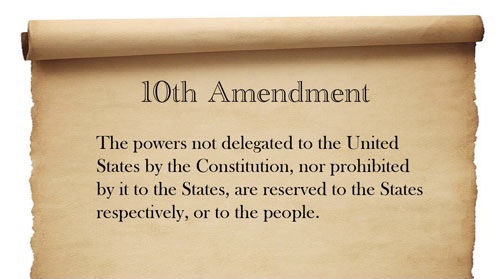
Conservative states can also resist federal efforts to control elections via nullification: arguably unconstitutional attempts by the federal government to regulate elections should not be recognized and enforced by states. Steve Baldwin asserts that the Tenth Amendment gives states the power to do so:
“The powers not delegated to the United States by the Constitution, nor prohibited by it to the States, are reserved to the States respectively, or to the people.”
There is, however, some ambiguity in Article I regarding the federal government‘s power to regulate elections. Despite the “secondary” nature of that federal power, it has certainly been invoked over the last 150 years, primarily in establishing voting rights previously denied on the basis of race and gender. H.R. 1 does not represent an unambiguous defense of voting rights of that kind, however. Instead, by facilitating fraud, it represents wholesale debasement of voting rights.
Let’s hope traditionally conservative states are aggressive in pressing their primary power to regulate elections on multiple fronts: legislative, nullification of federal overreach, as well as court challenges. And let’s hope H.R. 1 goes down to defeat in the Senate, but it will be tight.
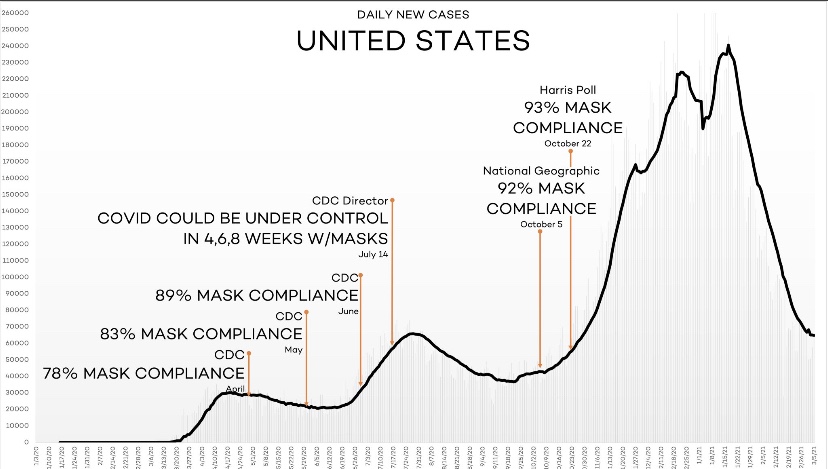
The CDC’s new study on dining out and mask mandates is a sham. On its face, the effects reported are small. And while it’s true most of the reported effects are statistically significant, the CDC acknowledges a number of factors that might well have confounded the results. This study should remind us of the infinite number of spurious and “significant” correlations in the world. Here, the timing of the mandates (or their removal) relative to purported effects and seasonal waves is highly suspicious, and as always, attributing causality on the basis of correlation is problematic.
On one hand, the CDC’s results are contrary to plentiful evidence that mandates are ineffective; on the other hand, the results are contrary to earlier CDC “guidance” that masks and limits on indoor dining are “highly effective”. Nevertheless, the latest report has massive propaganda value to the CDC. The media lapped up the story and provided cover for Democrats eager to pass the COVID (C19) relief package. Likewise, the Biden Administration is apparently committed to the narrative of an ongoing crisis as cover for continued attempts to shame political opponents in states that have elected to “reopen” or remain open.
Right off the bat, the study’s authors assert that the primary mode of transmission of C19 is from respiratory droplets. This is false. We know that aerosols are the main culprit in transmission, against which cloth masks are largely ineffective.
Be that as it may, let’s first consider the findings on dining. There was no statistically significant effect on the growth rate of cases or deaths up to 40 days after restrictions were lifted, according to the report. In fact, case growth declined slightly. There was, however, a small but statistically significant increase after 40 days. The fact that deaths seemed to “respond” faster and with greater magnitude than cases makes no sense and suggests that the results might be spurious.
The CDC offers possible explanations the long delay in the purported impact, such as the time required by restaurants to resume operations and early caution on the part of diners. These are speculative, of course. More pertinent is the fact that the data did not distinguish between indoor and outdoor dining, nor did it account for other differences in regulation such as rules on physical distancing, intra-county variation in local government mandates, and compliance levels.
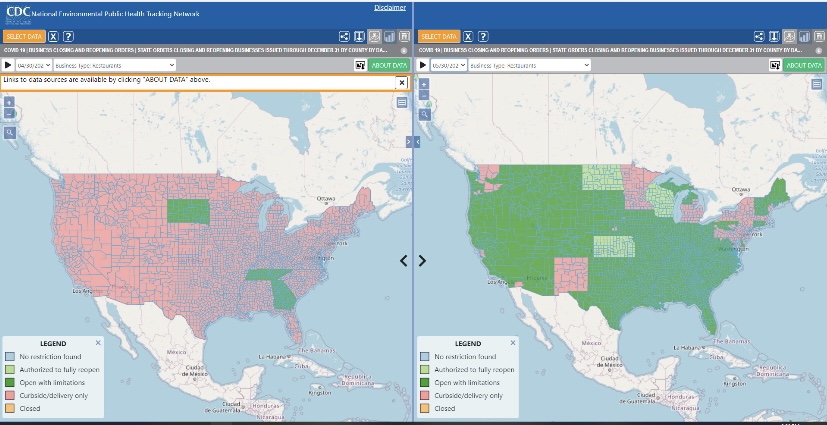
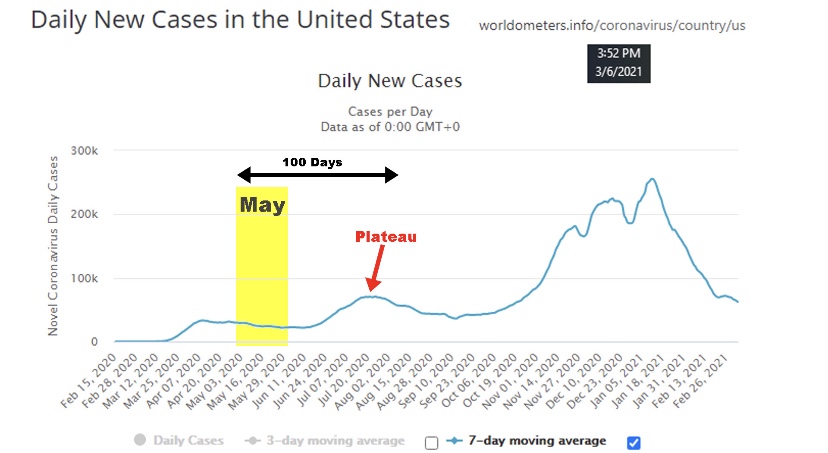
Finally, the measurement of effects covered 100 days after the policy change, but this window spans different stages of the pandemic. There were three waves of infections during 2020, which correspond to the classic Hope-Simpson pattern of virus seasonality. One was near year-end, but as each of the first two waves tapered (April-May, August-September), it should be no surprise that many restrictions were lifted. Within two months, however, new waves had begun. Karl Dierenbach notes that most of the reopenings occurred in May. Here’s how he explains the pattern:
“The map on the left shows counties where there was no on-premises dining (pink) in restaurants as of the beginning of May (4/30). … The map on the right shows that by the end of May, almost the entire country moved to allow some on-premises dining (green).”
“In the 100 days after May 1, cases nationwide fell slightly, then began to rise, and then plateaued.”
“And what did the CDC find happened after restaurants were allowed (changing mostly in May) to have on-premises dining? … Surprise! The CDC found that cases fell slightly, then began to rise, and then plateaued.”
The summer “mini-wave” is typical of mid- and tropical-latitude seasonality. Thus, the CDC’s findings with respect to dining restrictions are likely an artifact of the strong seasonality of the virus, rather than having anything to do with the lifting of restrictions between waves.
What about the imposition of mask mandates? The CDC’s findings show a much faster response in this case, with statistically significant changes in growth during the first 20 days. Another indicator of spurious correlation is that the growth response of deaths did not lag that of cases, but in fact deaths have reliably lagged cases by over 18 days during the pandemic. Again, the CDC’s caveats apply equally to its findings on masks. A large share of individuals adopted mask use voluntarily before mandates were imposed, so it’s not even clear that the mandates contributed much to the practice.
It’s a stretch to believe that mask mandates would have had an immediate, incremental effect on the growth of cases and deaths, given probable lags in compliance, exposure, and onset of symptoms. Moreover, a number of mask mandates in 2020 were imposed near the very peak of the seasonal waves. Little wonder that the growth rates of cases and deaths declined shortly thereafter.
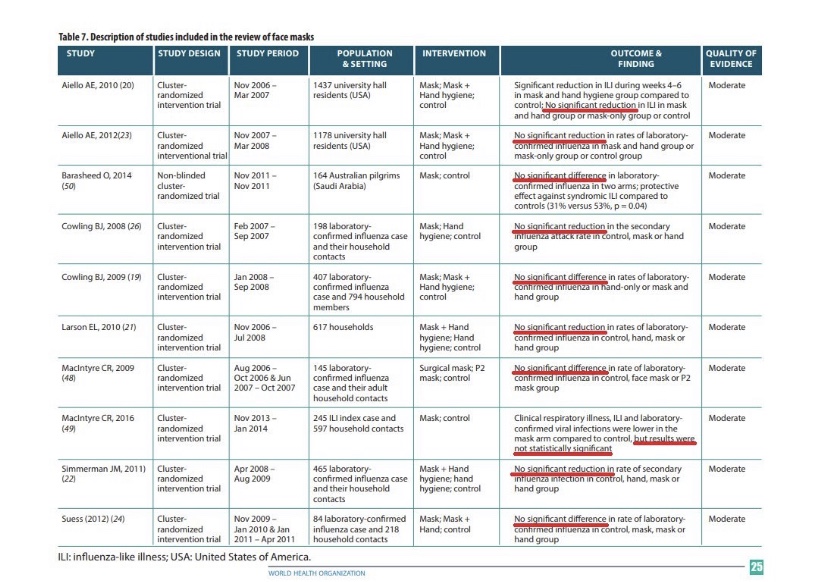
We’ve known for a long time that masks do little to stop the spread of viral particles. They become airborne as aerosols which easily penetrate the kind of cloth masks worn by most members of the public, to say nothing of making contact with their eyes. The table below contains citations to research over the past 10 years uniformly rejecting the hypothesis of a significant protective effect against influenza from masks. There is no reason to believe that they would be more effective in preventing C19 infections.
The CDC’s report on dining restrictions and mask mandates is a weak analysis. They wish to emphasize their faith in non-pharmaceutical interventions (NPIs) to minimize risks. They do so at a time when the vaccinated share of the most vulnerable population, the elderly, has climbed above 50% and is increasing steadily. Thus, risks are falling dramatically, so it’s past time to weigh the costs and benefits of NPIs more realistically. The timing of the report also seemed suspicious, coming as it did in the heat of the battle over the $1.9 trillion COVID relief bill, which subsequently passed.
It’s also a good time to note that zero risk, including “Zero COVID”, is not a realistic or worthwhile goal under any reasonable comparison of costs and benefits. Furthermore, NPIs have proven weak generally (also see here); claims to the contrary should always make us wary.
In advanced civilizations the period loosely called Alexandrian is usually associated with flexible morals, perfunctory religion, populist standards and cosmopolitan tastes, feminism, exotic cults, and the rapid turnover of high and low fads---in short, a falling away (which is all that decadence means) from the strictness of traditional rules, embodied in character and inforced from within. -- Jacques Barzun